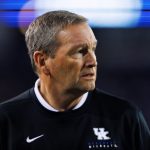



Caserio’s Chess Game: How Texans’ Draft Strategy Reshapes NFL Dynamics and Global Ambitions
POLICY WIRE — Houston, United States — Long before the confetti falls on championship teams, the real skirmishes for supremacy often unfurl far from the field, in dimly lit war rooms where general...

POLICY WIRE — Houston, United States — Long before the confetti falls on championship teams, the real skirmishes for supremacy often unfurl far from the field, in dimly lit war rooms where general managers concoct and strategize—a clandestine theater of operations, truly—long before any hopeful rookie dons a cap. Few decipher this nuanced, high-stakes game better than Houston Texans General Manager Nick Caserio, a man whose sterling reputation isn’t built on splashy press conferences but on a quiet, almost surgical precision in the annual NFL Draft. Like a seasoned alchemist, he transmutes raw potential into gridiron gold.
And yet, as the 2026 draft cycle looms, it’s Caserio’s penchant for aggressive maneuvering, for treating draft picks less like sacred cows and more like chess pieces in some grand, elaborate game of 4D strategy, that truly sets him apart. He isn’t just picking players; he’s crafting a long-term narrative, one trade at a time. A sculptor, really.
Back in his New England days, Caserio sharpened his acumen under Bill Belichick, learning that value isn’t always found at the top of the draft board. That’s a lesson he’s clearly taken to heart in Houston, metamorphosing a fledgling roster into a legitimate contender through a series of shrewd, often unexpected, transactions. Make no mistake, what we’re seeing unfold is a masterclass in modern roster architecture – if you’re into that sort of thing.
His tenure in Houston has seen him identify — and secure cornerstone talents. Think Will Anderson Jr., an All-Pro defensive end, or the dynamic cornerback Derek Stingley Jr. And, of course, there’s C.J. Stroud – the guy, seriously – who almost single-handedly injected new life into the franchise, earning Rookie of the Year honors. What a year!
But it’s not just the big names; it’s the depth. Players like Kamari Lassiter and Calen Bullock have manifested as Pro Bowl defensive backs, while Jalen Pitre furnishes versatility that any coach would envy. Up-and-coming receiver Nico Collins has also flourished under the Texans’ development pipeline.
“We’re always looking for value, not just talent,” Caserio opined in a recent off-season interview, reflecting on his philosophy (a philosophy, frankly, rooted in cold, hard numbers). “Sometimes that means moving up, sometimes it means moving back — and acquiring more capital. Our job isn’t complicated: it’s to put the best possible team on the field, and we won’t hesitate to be aggressive when the opportunity presents itself.” His words echo a pervasive ethos among the league’s most successful GMs: adapt or be left behind. Simple as that.
For the 2026 Draft, the Texans currently clutch eight selections, including what’s projected to be the 28th overall pick. However, few expect Caserio to sit idly by. Not a chance. His history suggests a maelstrom of maneuver, trading up, trading down, and targeting specific players he believes fit the team’s evolving culture. So, what’s Caserio’s next trick?
When the draft arrives, the economic ripple effects extend far beyond the gridiron. Big money. Consider the sheer scale: in 2023, the NFL Draft alone engendered an estimated $164.3 million in economic impact for host city Kansas City, Missouri, according to a report by the Kansas City Sports Commission—a staggering infusion of capital that ripples through local businesses, tourism, and civic pride, breathing life into a city for a few glorious days. It’s truly something.
Still, the NFL’s ambitions stretch further than North America. Its global strategy, including the International Player Pathway program, endeavors to amplify football’s appeal, much like cricket’s Indian Premier League has done for its sport. Related: IPL’s Shifting Guard: Shastri’s Slip, Legends’ Shadows, and the Billion-Dollar Battle for Supremacy And this global push, mind you, means scouting extends to every corner of the world, including regions in South Asia and the Muslim world, where athletic talent often goes unveiled by American scouts.
“We want to win a championship here in Houston, absolutely,” declared Head Coach DeMeco Ryans, a sentiment that resonates deeply with the city’s diverse population (its vibrant South Asian communities, especially). “But we’re also building something bigger: a standard, a culture that represents the toughness and resilience of this city.” It’s about community, really, not just wins. Just building.
What This Means
At its core, Caserio’s approach represents a tectonic realignment in how some NFL franchises manage talent acquisition. It’s less about holding onto every pick — and more about optimizing capital and maximizing positional value. This flexible model allows the Texans to remedy proximate exigencies while simultaneously planning for future contingencies, safeguarding against injuries or unexpected departures. Clever, isn’t it?
Economically, a consistently competitive Texans team propels ticket sales, merchandise revenue, and local economic activity. the NFL’s global outreach, bolstered by successful, high-profile teams, augments its ‘soft power’ abroad. As the league eyes new markets, perhaps even someday in the Middle East or South Asia, the appeal of dynamic franchises like Houston becomes imperative. It’s a brand game as much as it’s a football game, you know.
For Houston, a flourishing cadre provides a cultural touchstone, uniting disparate communities and cultivating a collective identity. The math is stark: winning matters, not just for the locker room, but for the local economy and the broader perception of the city on a national, even international, stage. What civic leader wouldn’t covet that?
Few teams have undergone such a meteoric metamorphosis. The Texans’ strategy isn’t just about the 2026 draft; it’s about establishing an enduring winning culture for the next decade. As one league insider, who requested anonymity to speak candidly, put it, “Caserio isn’t just drafting players, he’s building a dynasty brick by brick. The league should, dare I say, take notes, because it’s evidently working.”
That’s a seismic alteration in the competitive landscape, one that suggests the days of foreseeable draft weekends might soon be a vestige of the past for teams willing to harness the chaotic genius of General Managers like Caserio. Chaotic genius.