

Venezuela Quake: Unraveling State, Geopolitical Crisis
Caracas reels from a catastrophic earthquake, revealing Venezuela's deep-seated instability. Explore the humanitarian crisis, economic collapse, and complex geopolitical fallout.

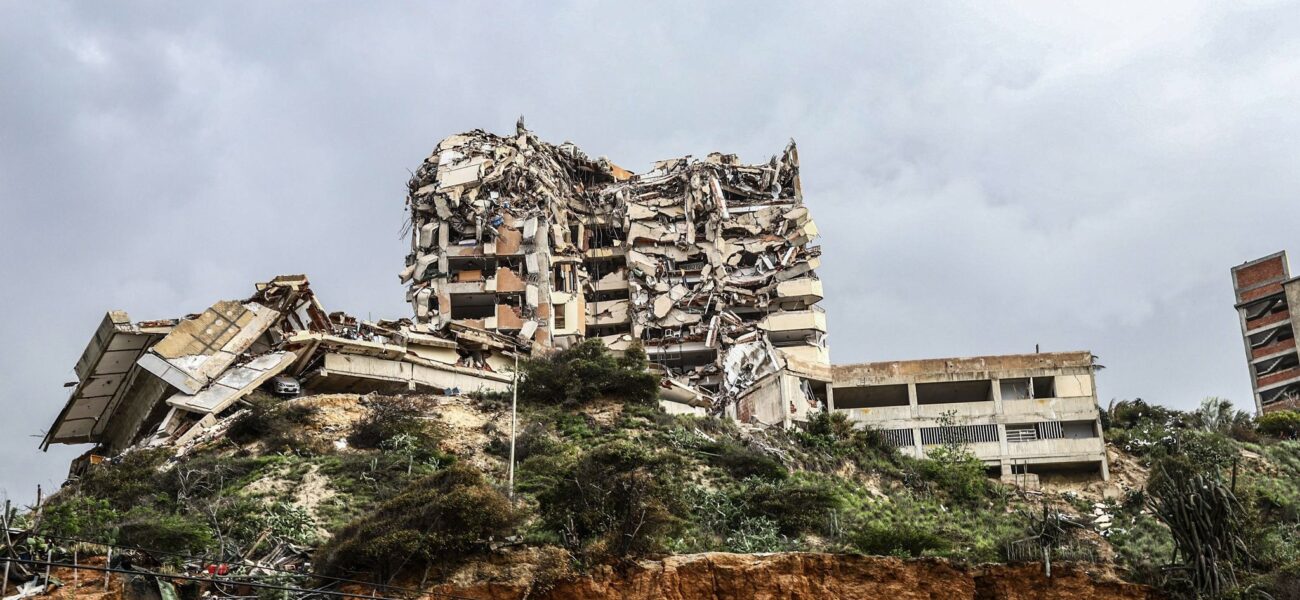
POLICY WIRE — Caracas, Venezuela — For a nation long accustomed to the grinding instability of economic collapse and political infighting, this week offered a new, unsparing form of chaos: the earth itself turned against it. The tremor—a seismic convulsion ripping through the already fractured landscape—didn’t just level buildings; it exposed, with brutal honesty, the gaping cracks in Venezuela’s societal and governmental foundations. We’re not just counting bodies here; we’re assessing the unraveling of a state.
It’s a cruel twist of fate, isn’t it? The very ground beneath Caracas buckled and convulsed, laying bare the deep vulnerabilities festering for years under successive administrations. Initial reports, filtered through a tight media environment, indicate that the fatalities from the catastrophic earthquake are fast approaching the 3,000 mark—a figure that, frankly, tells only part of the harrowing tale. Beyond the immediate loss, vast swaths of infrastructure, already dilapidated, simply ceased to exist. Critical lifelines—hospitals, roads, communication networks—collapsed, plunging millions into an even more precarious existence.
And so, as the international community scrambles to mount a response, a cold calculation begins. Foreign aid, traditionally a salve for such wounds, now carries complex geopolitical baggage. Will assistance be deployed efficiently, or will it vanish into the familiar morass of a deeply entrenched, albeit failing, patronage system? One UN official, speaking off the record, lamented the daunting task, saying, [QUOTE_PLACEHOLDER] Such skepticism isn’t unfounded; the ghosts of past mismanaged aid efforts, both foreign and domestic, loom large over every promised delivery of relief. There’s a certain grim predictability to this script, honestly.
But the true test for President Maduro’s administration isn’t just managing the debris; it’s navigating the burgeoning public fury and the intensifying scrutiny from both regional powers and global watchdog groups. This disaster couldn’t have struck at a worse time—if there even is such a thing as a ‘good’ time for national catastrophe. The economy, already a wreck, will now bear an unimaginable reconstruction burden. Analysts project that rebuilding costs could eclipse 20% of the nation’s GDP over the next five years, according to data released by the International Monetary Fund earlier this week. Imagine trying to pay for that with an annual inflation rate that routinely breaks records.
Consider the parallels, too. Nations across the globe, from war-torn Syria to earthquake-ravaged Pakistan, have seen such events exacerbate existing fragilities. The 2005 Kashmir earthquake, for instance, devastated parts of Pakistan and Kashmir, requiring a massive international response and shining a harsh light on infrastructure deficits and governance challenges in difficult terrain. Islamabad’s experience—a prolonged recovery marked by significant international cooperation yet enduring hardship—serves as a somber precursor. This isn’t just about rocks — and rubble; it’s about the deep political instability that can follow.
In Caracas, this natural calamity has undoubtedly thrown an unwelcome spotlight on the systemic deficiencies in public services, emergency preparedness, and—let’s be honest—basic governance. Citizens, already starved of reliable electricity, water, — and food, now face homelessness and unimaginable grief. The government’s immediate priority is clear: humanitarian relief. But the long-term political ramifications, well, those are far murkier. We’re talking about a population whose resilience has been tested beyond comprehension for years; this might just be the last straw. The irony? An earthquake could prove a more effective destabilizer than years of political opposition or sanctions.
📄 POLICY WIRE WHITEPAPER PUBLISHED: PAKISTAN'S NATIONAL SECURITY POLICY PRIORITIES
👉 READ BY CLICKING HEREAnd the external dynamics? They’ve certainly become sharper. Countries like the United States, which have maintained sanctions against the Maduro regime, are now presented with a complicated humanitarian dilemma. Offering aid risks legitimizing a government they deem illegitimate. Withholding it invites accusations of heartlessness. It’s a no-win scenario for everyone involved, painting an exceptionally bleak picture of international relations. Regional neighbors, like Colombia and Brazil, will also grapple with potential refugee flows—another predictable and awful consequence.
What This Means
This seismic event, while geological in origin, is rapidly morphing into a profound political and economic crisis for Venezuela, the implications of which extend far beyond its borders. Politically, the disaster serves as a brutal stress test for President Maduro’s grip on power. His administration’s capacity, or frankly, its incapacity, to deliver aid and restore stability will determine its political future far more effectively than any opposition rallies ever could. Failure to manage the fallout effectively won’t only erode what little public trust remains but also intensify calls for international intervention and scrutiny of a humanitarian response system that has often privileged ideology over human suffering.
Economically, the country faces an almost insurmountable challenge. Reconstruction demands—ranging from housing to infrastructure—will siphon scarce resources away from other struggling sectors. Expect accelerated inflation, further devaluing the bolivar — and pushing more citizens into abject poverty. This also presents an intriguing, if tragic, opportunity for a recalibration of international relations. Offers of humanitarian aid from nations typically at odds with Caracas—Iran, China, even Russia—could create new avenues of influence, but more crucially, a pragmatic pathway for Western nations to engage without formally recognizing the regime’s legitimacy. We’re likely to see a delicate dance, as relief becomes a tool in a far larger geopolitical chess game. For Pakistan, or any nation susceptible to natural disaster compounded by governance challenges, Caracas serves as a stark, unforgiving warning about preparing not just for nature’s wrath, but for the unforgiving political consequences that follow. There’s an unsettling global pattern to state fragility in times of crisis, isn’t there? This is simply Venezuela’s turn on a familiar stage, though the stakes are uncomfortably high. It’s a mess, plain — and simple, with no easy way out.