


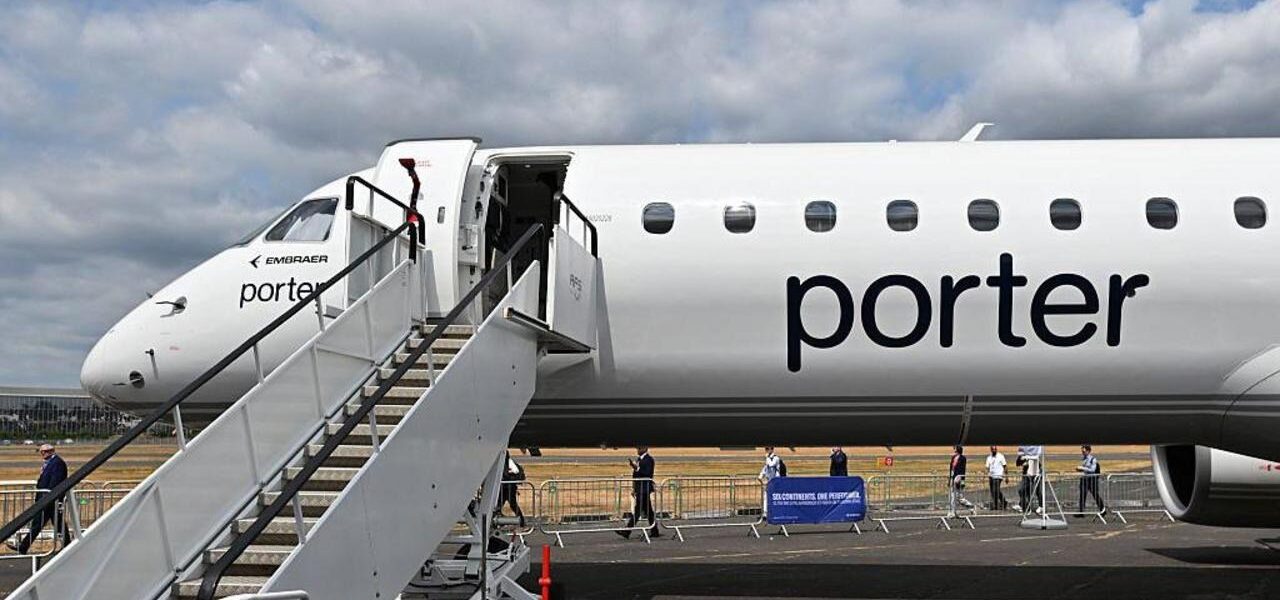
Canada Flight Cancelled Over Child Refusing Seat Belt: Safety Debate Ignites
POLICY WIRE — City, Country — A commercial flight in Canada was cancelled after a child refused to wear a seat belt, sparking a debate over child safety and discipline on planes. The incident...

POLICY WIRE — City, Country — A commercial flight in Canada was cancelled after a child refused to wear a seat belt, sparking a debate over child safety and discipline on planes.
The incident occurred on [Airline Name] flight [Flight Number], which was scheduled to depart from [Departure Airport] to [Destination Airport]. According to airline officials, the flight was grounded after the child, reportedly aged [Child’s Age], continuously refused to comply with safety regulations requiring the use of seat belts during takeoff and landing.
“The safety of all passengers and crew is our top priority. We had no choice but to cancel the flight to ensure everyone’s well-being,” stated [Airline Spokesperson] in a press release.
This incident has ignited a broader discussion about the enforcement of safety regulations on flights and the responsibilities of both airlines and passengers, particularly when it comes to children. Aviation safety experts argue that strict adherence to seat belt rules is crucial for passenger safety, especially during turbulent phases of flight.
However, some parents and advocacy groups have raised concerns about the balance between safety enforcement and the practical challenges of managing young children during flights. They argue for more flexible approaches that consider the unique needs of families travelling with young children.
The airline has not disclosed further details about the incident or the identity of the child and parents involved, citing privacy concerns. The cancellation resulted in inconvenience for other passengers, some of whom expressed frustration on social media.
📄 POLICY WIRE WHITEPAPER PUBLISHED: PAKISTAN’S NATIONAL SECURITY POLICY PRIORITIES
This is not the first time such an incident has occurred. Similar cases have been reported globally, leading to varied responses from different airlines. Some have opted for strict enforcement, while others have tried to find more accommodating solutions.
As the debate continues, aviation authorities and airlines are likely to review their policies and procedures to address such situations more effectively in the future.
Reporting by Policy-Wire (PW)