


Campus Sexual Assault Reports Undercounted, Experts Warn
Federal data shows U.S. colleges underreport sexual assaults. Experts say surveys reveal a much higher rate of victimization.

POLICY WIRE — New York, United States — Federal data reveals that large U.S. college campuses report an average of two sexual assaults annually, but experts argue the figures significantly underrepresent the true scope of campus sexual violence.
The statistics, compiled under the Jeane Clery Act, include reports made to campus security authorities such as police and Title IX officials. Between 2019 and 2024, over 45,000 students across U.S. institutions reported being raped or sexually assaulted, according to federal records.
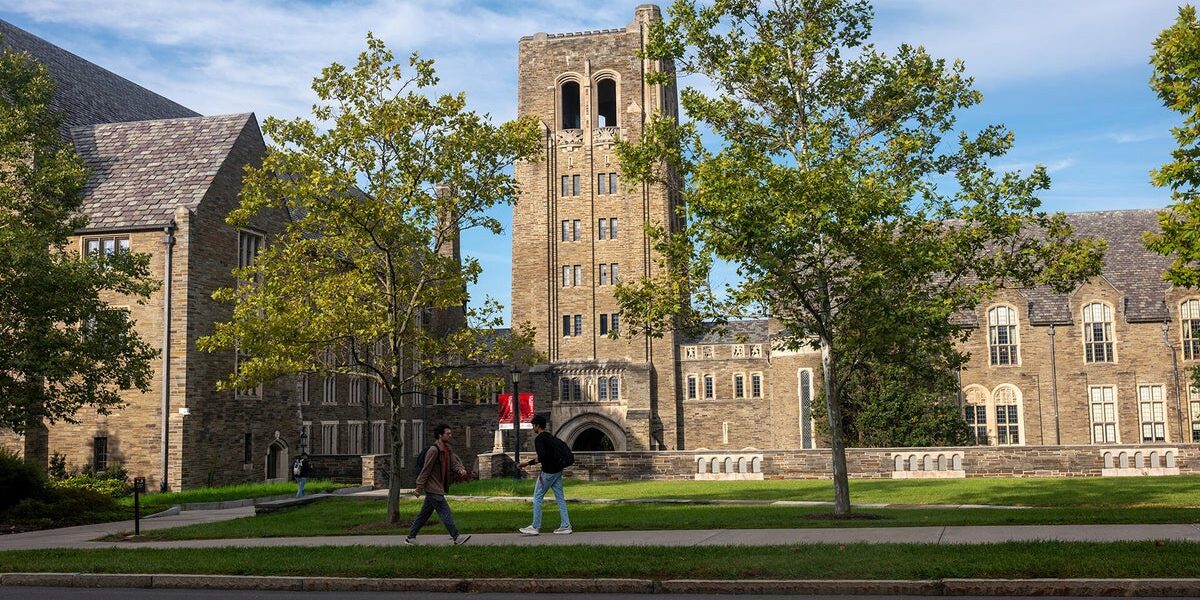
Cornell University, for instance, documented 238 incidents during the same period, equating to about eight cases per 5,000 students annually—double the national average for similar-sized schools. However, these numbers fail to capture the full extent of the issue, as many survivors choose not to report their experiences.
Surveys indicate that approximately one in five undergraduate students has faced sexual violence, yet most do not come forward. Some university reports are also excluded from the data, as institutions have discretion over who qualifies as a campus security authority. This lack of standardization contributes to incomplete reporting, according to legal scholars.
Corey Rayburn Yung, a law professor at the University of Kansas, noted that audit findings often show a spike in reported crimes, followed by a drop once the review ends. He suggested this pattern indicates schools may be withholding information, creating a misleading perception of safety on campuses.
📄 POLICY WIRE WHITEPAPER PUBLISHED: PAKISTAN’S NATIONAL SECURITY POLICY PRIORITIES
Sara Wilf, a social work professor at George Mason University, highlighted that limited access to confidential resources and poor awareness of available support services further discourage students from reporting. Her research found that nearly half of surveyed students in California were unaware of what the Title IX office does, while a third said they could not recall or found their training ineffective.
Many victims fear their reports will not be taken seriously or question whether their experience qualifies as sexual assault. The top resource requested by survey respondents was a confidential advocate to guide them through the complex process of seeking help after an incident. The University of California system has implemented such support on its campuses.
Despite these challenges, few reported cases lead to formal investigations or disciplinary action. At Cornell, two students were expelled in connection with Jane Doe’s case, part of 171 sexual misconduct investigations between 2019 and 2024. Across New York state, 246 individuals were expelled or dismissed, and 464 were suspended, representing just 3% of all reported cases.
Survivors often hear of failed Title IX processes, which discourages them from seeking assistance. Cornell stated it conducted a thorough investigation and imposed sanctions based on each student’s circumstances, with details available online.
Reporting by Policy-Wire (PW)