

Biden’s Executive Privilege Gambit Sparks Election-Year Transparency Battle
POLICY WIRE — Washington D.C., USA — It’s a curious state of affairs when a president, ostensibly seeking to defend the integrity of his office, turns the formidable legal machinery of the...

POLICY WIRE — Washington D.C., USA — It’s a curious state of affairs when a president, ostensibly seeking to defend the integrity of his office, turns the formidable legal machinery of the Justice Department against itself. But that’s exactly what Joe Biden is doing. This isn’t just about some audio tapes; it’s about the weaponization of transparency—or the lack thereof—in an election year already dripping with partisan acid. It’s about perceptions, power, and how much a public, weary from years of political infighting, is actually owed by those at the top. The truth, in this town, often isn’t just a destination, it’s a battleground.
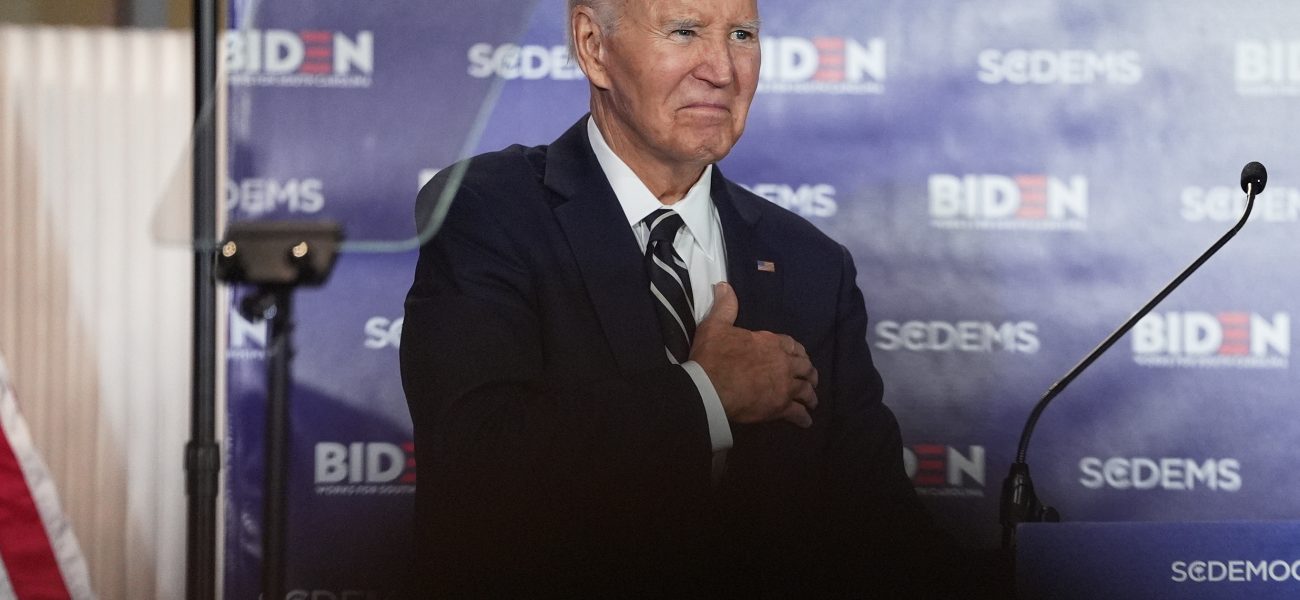
President Biden, the guy who ran on restoring institutional norms, has slapped his own Attorney General’s outfit with a lawsuit. His administration is trying to halt the release of recordings and transcripts from the special counsel investigation into his handling of classified documents. Remember Robert Hur’s report? The one that cleared Biden of criminal wrongdoing but—and this is the rub—painted him as an “elderly man with a poor memory”? That report’s gotten more mileage than a New York taxi, — and the recordings? Well, they’re the new holy grail for congressional Republicans — and conservative media alike.
The White House contends that unleashing these recordings, made during Hur’s inquiry, would kneecap executive privilege and jeopardize future confidential discussions crucial for any administration. They’re arguing that these are the private deliberations of the nation’s highest office—a claim steeped in constitutional tradition, no doubt. But that tradition seems to have taken a battering ram to the concept of public access, at least in the eyes of a frustrated electorate.
“Look, the presidency isn’t a reality show. Deliberative processes—the back-and-forth, the unvarnished truth shared with the Chief Executive—they’re sacred ground for good governance,” explained White House Counsel Ed Siskel, in what certainly sounds like an official stance on the matter. “To release every syllable from every interview, often without the necessary context, isn’t just impractical; it’s a constitutional injury that would ripple through every subsequent administration. We’re simply protecting the office.” Sounds weighty, doesn’t it? As if the fate of democracy hinges on keeping a few hours of Joe Biden’s voice under wraps.
But Republicans, never ones to miss an opportunity to jab, aren’t buying the argument for a second. “It’s classic Democrat hypocrisy,” fumed House Judiciary Committee Chair Jim Jordan (R-OH) to Policy Wire. “When it’s a Republican, they demand full transparency, every email, every whisper. But when it’s Biden, suddenly it’s ‘executive privilege.’ They don’t want the American people hearing exactly what Mr. Hur heard. What are they hiding? It makes you wonder, doesn’t it?” His words hang in the air, thick with insinuation, designed to sow doubt among voters.
It’s an uncomfortably familiar dance, this legal two-step over transparency. We saw versions of it during the Nixon era, during Trump’s impeachment battles. And now, Biden. Public trust in government institutions, already teetering, could easily take another hit. Consider recent polling: a Pew Research Center study from 2023 indicated that only 16% of Americans trust the government to do what’s right always or most of the time. This kind of public scuffle over what should or shouldn’t be revealed just pours fuel on that simmering distrust, making a tough ask for a second term even tougher.
📄 POLICY WIRE WHITEPAPER PUBLISHED: PAKISTAN'S NATIONAL SECURITY POLICY PRIORITIES
👉 READ BY CLICKING HEREFor nations watching from afar, particularly those navigating their own democratic aspirations in regions like Pakistan, these skirmishes over transparency in the world’s most powerful democracy aren’t just academic. They’re observed, weighed. US claims of promoting democratic values and accountable governance around the globe often sound a bit hollow when its own executive branch seems to be playing hide-the-ball with potentially embarrassing audio. It casts a long shadow on diplomatic rhetoric, giving authoritarian regimes an easy deflection. ‘Look,’ they might say, ‘even America’s leaders fight tooth — and nail to keep things quiet.’
What This Means
Politically, this lawsuit is less about legal precedent — and more about pure election-year calculation. Biden’s team, despite the transparency rhetoric, clearly sees the downside of having audio clips of the President stumbling over words or appearing confused—especially with the media landscape’s appetite for viral soundbites. This move isn’t just defensive; it’s preventative. They’re trying to control the narrative before a rival narrative is constructed from Biden’s own voice.
But the irony, and the danger, is clear: the fight for secrecy, even if legally defensible, often appears guiltier than the perceived offense itself. Voters might forgive an occasional gaffe, but a perceived cover-up? That’s much harder to shake, especially when the other side will make hay out of every little snag. Expect Republicans to hammer this narrative incessantly, using the lawsuit itself as proof of an administration attempting to obstruct. And this plays right into Trump’s hands, letting him argue, ‘See? They’re all the same.’ The legal battle could drag on, meaning the audio tapes might not see the light of day before Election Day, but the specter of their contents—and the fight to suppress them—will absolutely haunt Biden’s campaign trail.