

Beyond Tinned Beans: The Overlooked Essentials for a Realistic Emergency Food Stockpile
Stop buying just soup for emergency prep. Discover the essential pantry staples and seasonings that make survival food delicious during a potential crisis.

POLICY WIRE — London, UK — As shoppers rush to clear bottled water and beans from supermarket shelves, many are wondering if they are trading culinary quality for basic survival. Following the government’s ‘Be Ready’ initiative, which advises households to maintain a three-day supply of food, retailers have seen a massive surge in demand for tinned goods.
The campaign has proven highly effective, with popular soup and water brands selling out on platforms like Ocado. While retailers maintain that stock levels remain sufficient, there is a significant opportunity to look beyond basic cans of soup when building a long-term emergency pantry.
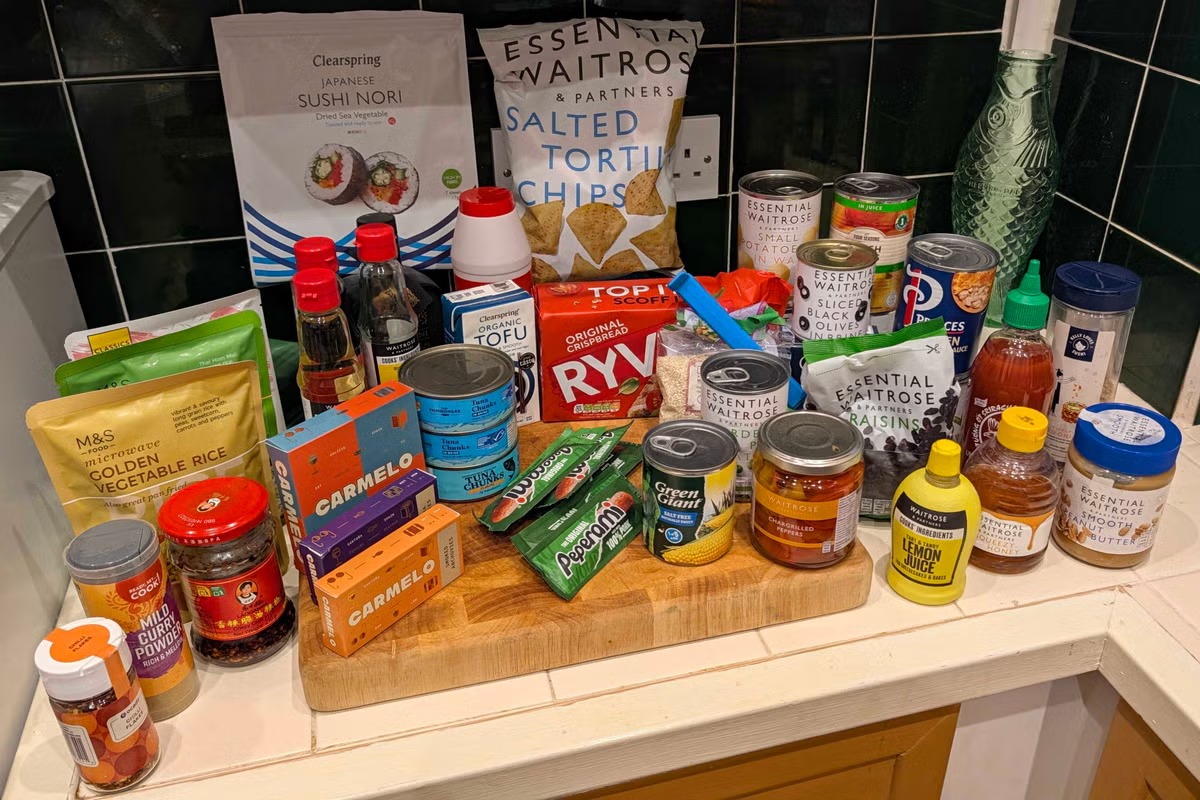
Hannah Twiggs recently spent a week living exclusively on government-recommended supplies—items that require no refrigeration or cooking. Her experience suggests that surviving on such food does not have to be a monotonous ordeal. The key to maintaining morale during a crisis lies in focusing on condiments and variety to transform repetitive ingredients into palatable meals.
During her test, Twiggs prepared a variety of dishes, including a functional salade Niçoise, tofu satay rice, and a surprisingly successful coronation chicken. She even created a makeshift paella using a tin of smoked mussels and mini Peperamis, proving that creativity can elevate basic shelf-stable rations.
A solid emergency diet starts with a foundation of legumes, including black, kidney, cannellini, and butter beans, along with chickpeas and lentils. Tinned vegetables like corn, peas, green beans, and whole potatoes are also vital. For protein, tuna, salmon, sardines, and mackerel are excellent choices, particularly when packed in brine or spicy tomato sauces which provide built-in seasoning.
To save money, shoppers should avoid premium brands; a 50p store-brand of chickpeas offers the same nutritional value as an expensive jarred version. Additionally, small UHT milk cartons are worthwhile investments as they stay fresh for months and facilitate coffee or cereal, though they must be refrigerated once the seal is broken.
While dried rice and pasta have an indefinite shelf life, they are useless without a heat source. Investing in a camping stove is a recommended addition for those with outdoor space. By focusing on flavor through shelf-stable staples, one can ensure that survival is more than just a matter of enduring hunger.
Reporting by Policy-Wire (PW)