


Beyond the Gridiron’s Glare: The Uneasy Intimacy of Sports Fandom in a Gilded Age
POLICY WIRE — Miami Gardens, Florida — It’s a seemingly simple question, deceptively innocuous, posed recently to the loyal cadre of Miami Dolphins enthusiasts: if given the chance, which former...

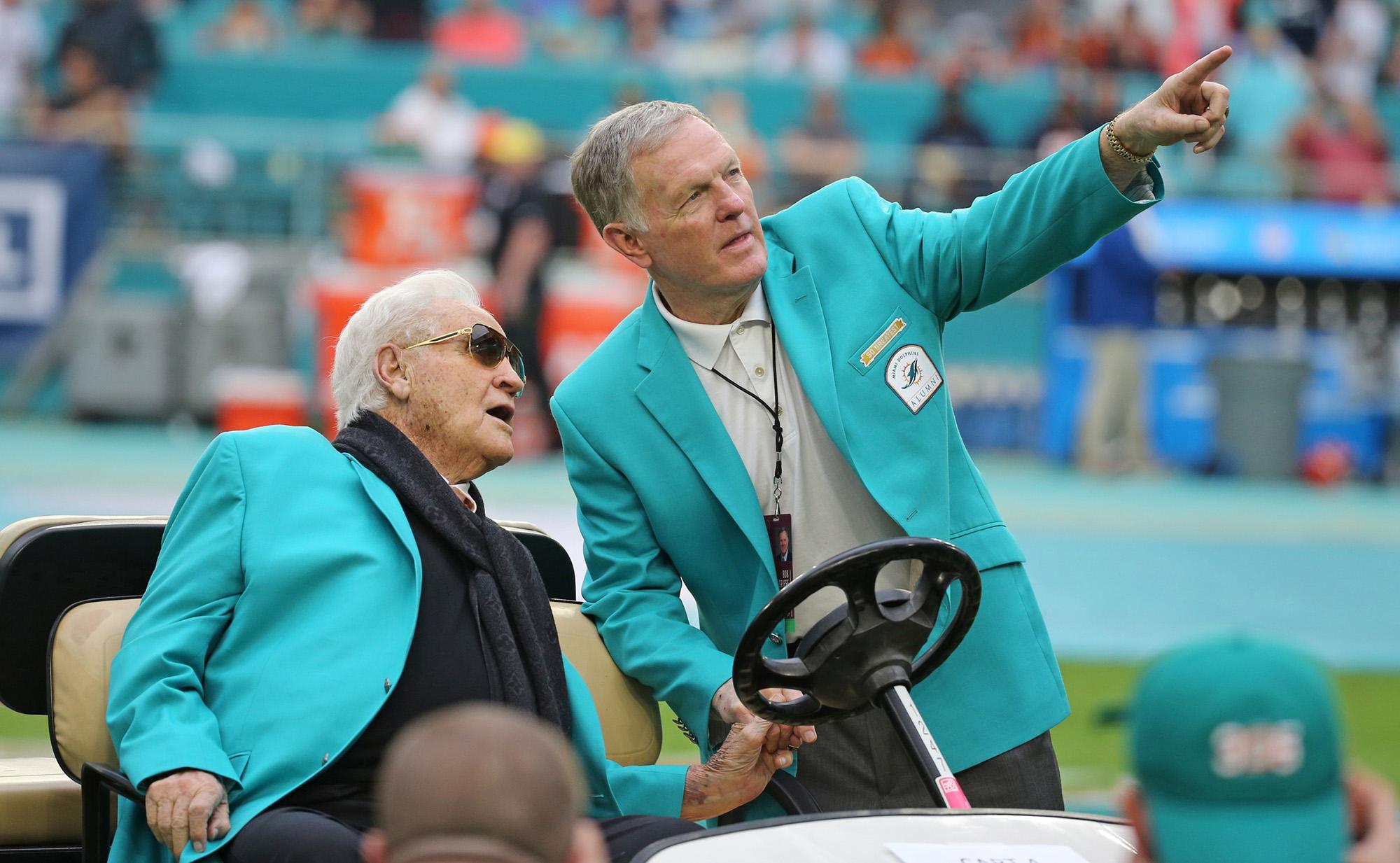
POLICY WIRE — Miami Gardens, Florida — It’s a seemingly simple question, deceptively innocuous, posed recently to the loyal cadre of Miami Dolphins enthusiasts: if given the chance, which former player or coach would you break bread with? But like a meticulously planned defensive scheme, this casual query about fantasy dinner companions unearths far deeper currents beneath the placid surface of fan devotion—currents that speak volumes about hero worship, economic power, and the evolving social contract between athlete and admirer.
It’s not just about football; it never really was. These are not requests for autographs or pre-scripted platitudes. No, the prevailing sentiment is a raw, almost desperate desire for genuine, unscripted human interaction with figures who, for many, transcend mere celebrity. They’re ghosts of past glory, architects of indelible memories—mythic beings carved from flesh and bone. Imagine wanting to know what it felt like for A.J. Duhe to snatch three interceptions in the fabled ‘Mud Bowl,’ or to hear Don Shula recount, unfiltered, how he forged a perfect season. Fans want the untold narratives, the candid off-the-record confessions that humanize the giants. They crave the ‘secret ballgame stories,’ as one fervent supporter put it, the kind of insight typically reserved for the locker room, not the highlight reel.
And because the modern sports machine rarely offers such intimacy, fans cling to these romanticized visions. We’ve constructed an empire around these athletes, commodifying every gesture, every utterance, and often, every private struggle. This isn’t unique to America, of course. Across the globe, from the frenetic cricket pitches of Karachi to the packed football stadiums of Munich, fans imbue their sports heroes with a transcendent quality. These figures become cultural ambassadors, symbols of national pride or local grit, influencing everything from fashion to political discourse. Just consider the outsized influence of Pakistani cricket legends turned politicians—an almost spiritual connection woven into the social fabric. It makes the relatively tame desire for a simple dinner chat here seem quaint, doesn’t it?
“Fans don’t just watch games; they invest a piece of themselves, their personal history, into these teams and players,” explained Dr. Evelyn Reed, a sports sociologist from Florida International University. “They’ve celebrated championships — and mourned defeats, all vicariously. That personal stake naturally morphs into a yearning for understanding the human being behind the jersey. It’s a pursuit of shared authenticity in a world increasingly filtered.”
The sentiment is less about grilling stars on play calls and more about peering behind the curtain of commercialized heroism. There’s an undeniable poignancy to fans remembering an athlete’s electric style or storied resilience—the Bryan Coxes, the Paul Warfields—and wishing for a chance to simply chat. But you know, this very ideal runs headlong into the harsh business of professional athletics. Today’s players are brand managers as much as athletes. Their public personas are sculpted, their interactions curated. The candid, free-wheeling dialogue a fan pines for? That’s a potential liability, a deviation from the script.
“We advise our clients carefully,” stated Marcus Thorne, a veteran agent whose roster includes several NFL stars. “Every interaction has an angle now, a potential benefit or risk. While fan engagement is great, a truly ‘candid’ conversation? That’s rarely part of the professional strategy. It’s not that they don’t care; it’s that their livelihood, their endorsements, sometimes even their mental health, rely on controlling the narrative.” Thorne’s pragmatism cuts through the nostalgic fog.
It’s a brutal calculus. Despite the adoration, the average NFL player’s career lasts a mere 3.3 years, according to the NFL Players Association—a stark contrast to the lifelong loyalty their fans often pledge. Players are increasingly treated as disposable assets, valued primarily for their present on-field production. And yet, fans harbor these deeply personal, almost familial connections, reaching across decades — and pay grades.
What This Means
The enduring fantasy of a dinner with a Dolphins legend isn’t just about sporting glory; it’s a telling indictment of the increasingly transactional nature of modern celebrity and a plea for genuine connection. For Policy Wire, this isn’t simply sports gossip; it’s an economic — and social phenomenon. When fans express a longing to ask about personal struggles, career decisions, or the emotional toll of a professional life, they’re unknowingly pushing back against the sterile, hyper-monetized narratives spun by league offices and corporate sponsors. It’s a testament to the stubborn human desire to find the authentic individual within the colossal machine. What policymakers—or even team owners—must grapple with is whether this thirst for realness is an anachronism to be managed away, or a fundamental yearning that, if harnessed, could paradoxically re-invigorate the fan experience beyond merchandise sales and broadcast rights.