


Beyond the Gown: Jalen Brunson’s Gilded Gala, a Political Lens on Acclaim
POLICY WIRE — New York City, USA — The carefully orchestrated glitz of the ESPYS—that yearly ode to American athletic prowess and the commerce that underpins it—once again paraded across screens,...

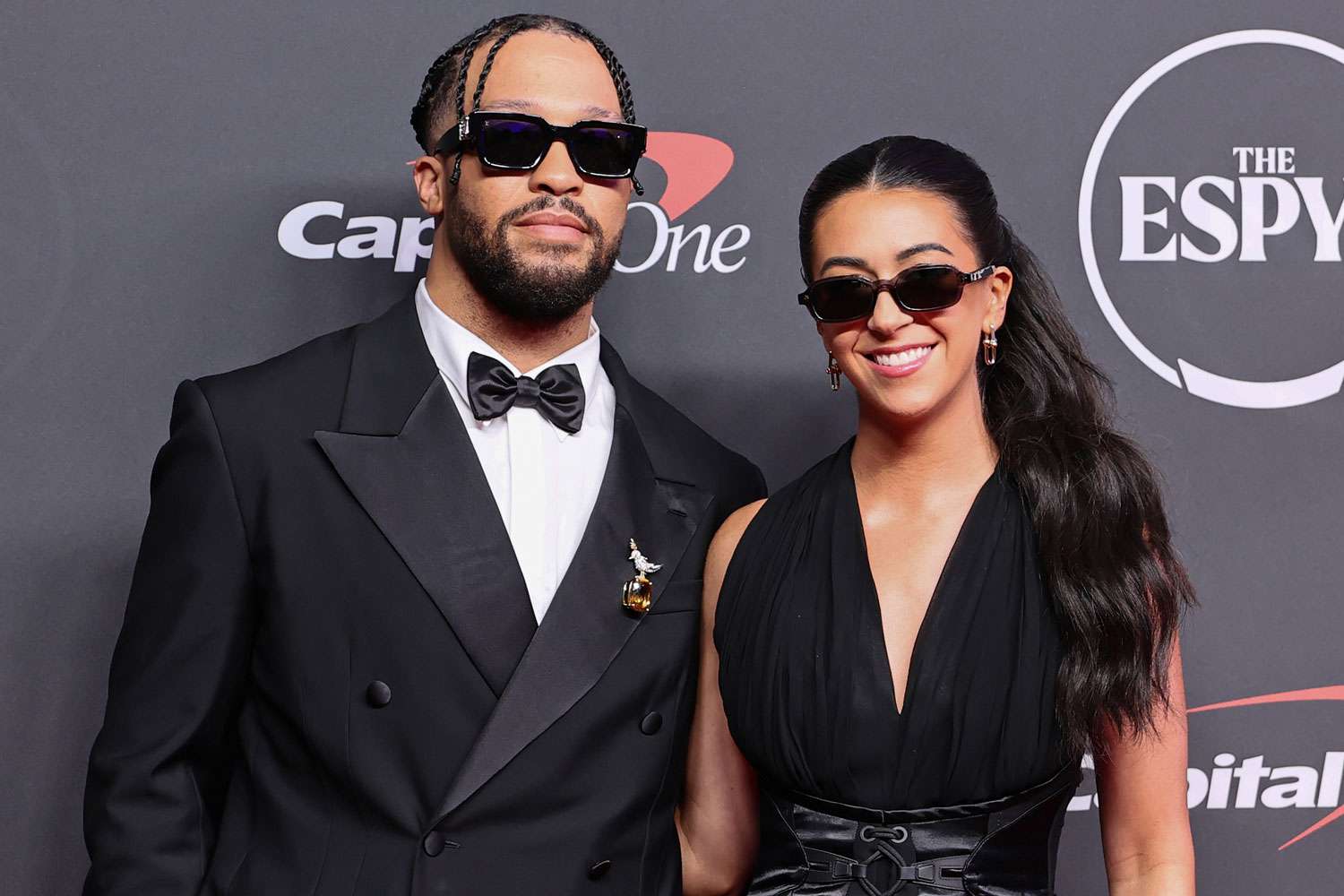
POLICY WIRE — New York City, USA — The carefully orchestrated glitz of the ESPYS—that yearly ode to American athletic prowess and the commerce that underpins it—once again paraded across screens, delivering its expected dose of feel-good narratives. But for those watching beyond the sartorial selections and curated smiles, Sunday evening’s affair, held within the grand, neoclassical confines of Lincoln Center’s David H. Koch Theater, presented less a celebration and more a clinical case study in cultural distraction and economic stratification. Sure, Jalen Brunson and Ali Marks Brunson, all coordinated elegance and shaded cool, entered the hallowed hall, ostensibly for a simple date night. We saw that much, didn’t we? It’s not just a casual outing, though; it’s an event engineered for mass consumption, designed to generate column inches and perpetuate a powerful brand mythology.
Brunson, the New York Knicks point guard, was riding high, freshly minted with an ESPY Award for Best Male Athlete—a predictable accolade following the Knicks’ first NBA Championship victory since 1973. This is significant, you know, a veritable return to dynastic whispers in basketball lore. The 29-year-old was also nominated for Best NBA Player — and Best Championship Performance. Such moments are manufactured; they’re designed for public digestion, offering heroes and storylines that can feel strangely divorced from the grit of everyday reality, much less the intricate web of global politics.
The night was a veritable showcase of aspiration. Cameras flashed, notepads scribbled. Other sports luminaries, including Eileen Gu, queued up to be photographed with the celebrated Knicks star. But behind the veneer, the business of sports isn’t just about athletic glory. It’s an engine of economic activity, generating billions annually in media rights, endorsements, — and sponsorships. The NBA, for instance, reported global revenues exceeding 10 billion USD for the 2022-2023 season, according to Statista data. That’s a staggering sum—enough to bankroll modest nations—and events like the ESPYS serve as crucial marketing touchstones, reinforcing brand loyalty and driving merchandise sales far beyond North American shores.
And so, we watch Brunson—a seemingly earnest chap, by all accounts—with his high school sweetheart, now his wife, Ali, the duo having officially tied the knot back in July 2023. They’ve even got a little one, Jordyn James Brunson, born in July 2024. Ali, in a past interview, mused, [QUOTE_PLACEHOLDER] And then, speaking of his professional ascent: “He has just exploded in New York, but it has not changed who he is.” Well, good for him. For anyone, retaining one’s essential character amidst such public adulation is a feat. We hear these narratives consistently, reinforcing the relatable everyman trope despite an otherworldly bank account. His family, father — and former NBA player Rick Brunson among them, also graced the carpet. It’s a full-on family affair—part private joy, part public spectacle.
The juxtaposition is often stark. As we lionize athletes here—and they absolutely deserve their due for exceptional talent—there are other realities unfolding. In many parts of the Muslim world, including South Asia, public accolades for athletic achievement might not receive the same kind of omnipresent media oxygen. Communities there contend with different narratives—geopolitical tremors, economic instabilities, and developmental challenges that often make such dazzling spectacles feel impossibly distant. Consider the recent debates around investment in sporting infrastructure versus critical social services in places like Pakistan, a nation where a passion for cricket, for example, often exists against a backdrop of systemic resource scarcity. Does the global dissemination of content like the ESPYS, however innocuously, create a heightened sense of perceived inequality?
But the point isn’t to diminish Brunson’s accomplishment. It’s to contextualize the platform, the apparatus that elevates these moments into national touchstones. It’s about what we choose to celebrate, — and why, and what purpose it all serves within the broader societal framework. He began his acceptance speech by thanking his family for “sacrificing everything, day in and day out.” And that’s sincere. But it also represents the American dream—the idea that relentless dedication, when paired with talent, leads to visible success. It’s a compelling message, no doubt, especially for a populace eager for narratives of triumph.
What This Means
The spectacle of the ESPYS, with Jalen Brunson’s ascendance as its latest protagonist, functions as more than just an awards ceremony; it’s a critical piece of the contemporary political economy. These events aren’t apolitical; they’re deeply embedded in how societies channel aspirations and maintain social cohesion—or distraction. The economic apparatus behind professional sports, fueled by media rights and corporate sponsorships, creates a highly visible arena for national identity formation and aspirational messaging. It’s about building and sustaining a massive entertainment complex that often sidesteps direct engagement with tougher socio-political realities, preferring a triumphant, unified narrative. This grand distraction, while providing a necessary collective escape, simultaneously underscores the economic divides globally. The capital flow that supports such extravagant events in New York stands in stark contrast to economic conditions in many other regions. It makes you think: is the collective gaze directed toward gilded galas, inadvertently deflecting from global conversations of genuine political weight? You can read more about how public acclaim translates into broader narratives in articles like Hoops Heroism Amidst Global Fissures. Policy-makers, whether they recognize it or not, leverage these cultural touchstones, sometimes passively, to articulate values or redirect public sentiment. It’s all part of the game—the bigger one, I mean.

