


Beyond the Diamond: New Mexico Softball Reflects Deeper Community Policy Imperatives
POLICY WIRE — ALBUQUERQUE, N.M. — It’s easy, isn’t it, to just discern a high school softball game as, well, *just* that: a game. But what unfurled across New Mexico’s diamond...

POLICY WIRE — ALBUQUERQUE, N.M. — It’s easy, isn’t it, to just discern a high school softball game as, well, *just* that: a game. But what unfurled across New Mexico’s diamond fields this past Friday, from the showdown between Rio Rancho and Cibola to the spirited contest featuring Albuquerque High against Dexter, represents a whole lot more than mere athletic prowess; it lays bare a vital—and let’s be honest, oft-ignored—pillar of community development and social policy.
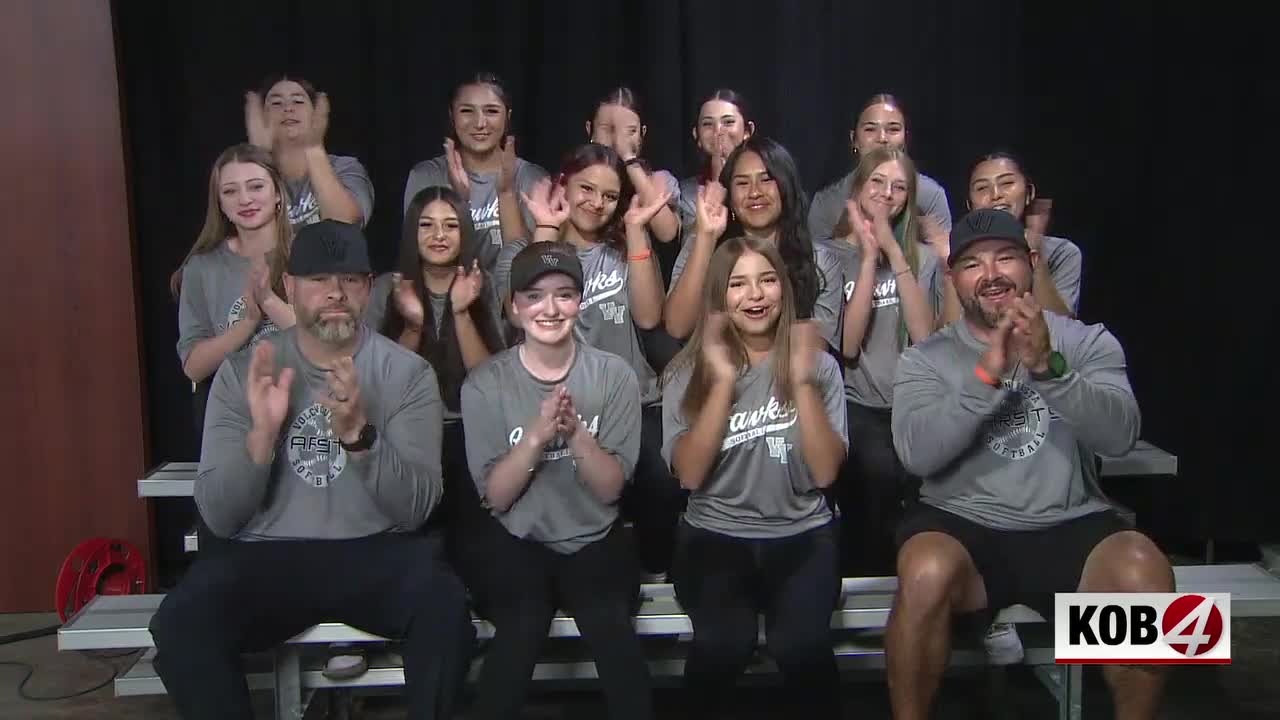
Behind the cheers and rivalries, these local matchups stand as a testament to the pivotal role youth sports assume in galvanizing resilience, instilling discipline, and weaving the very social fabric policymakers frequently champion, yet rarely fund adequately. The evening’s “New Mexico Gameday” broadcast, featuring the Volcano Vista softball team alongside local personalities Devin J Martin and Emily Faith, unveiled a scarce, almost fleeting tableau into this vibrant, grassroots ecosystem. You don’t see that every day.
Few folks beyond the immediate community, you know, truly apprehend the sheer logistical effort — and the profound local investment — required to keep these programs effervescing. That’s a significant shift from decades past, when school sports budgets were often presumed immutable. Now, though, they’re battling for resources. Hard.
“These games aren’t just about winning or losing; they’re about nurturing leadership, promoting healthy lifestyles, and giving our young people a sense of belonging,” opined Mayor Tim Keller of Albuquerque in a recent public address, emphasizing the city’s commitment to youth programs. “We can’t put a price on the life lessons learned on these fields.” (Who could argue with that?)
Indeed. The math? Stark. According to a 2023 report by the New Mexico Department of Education, participation in high school athletics has seen a 12% increase statewide over the past five years, with softball leading growth among girls’ sports. This surge clamors for reciprocal capital, or the benefits risk being eroded. It’s a simple equation, really.
But the impact, well, it sprawls past just the white lines, doesn’t it? Take Aisha Rahman, for instance—a standout pitcher for Volcano Vista—whose family immigrated from Pakistan a decade ago. Her journey, from navigating a new culture to becoming a team leader, thunders volumes concerning the cohesive potency of community sports. Rahman’s success isn’t an isolated incident; it reflects, nay, *echoes*, the quiet but profound integration happening in diverse communities across the state, often facilitated by shared passions like softball.
For many, particularly in immigrant communities, sports become a pivotal conduit. They offer a common language, a sense of belonging, and a pathway to leadership that transcends linguistic or cultural barriers. What a powerful diplomatic tool, too—a genuine Rosetta Stone for community-building, if one considers the broader implications!
What This Means
The sheer effervescence of New Mexico’s high school softball scene isn’t just local news; it’s practically a socio-economic barometer for wider societal health and policy effectiveness. When we see robust participation and strong community support, it heralds a fruitful outlay in youth and future workforce development. Conversely, any decline could betray more profound conundrums, say, like funding shortfalls, lack of access, or diminishing volunteerism.
This isn’t *solely* about athletic prowess, folks; it’s intrinsically tied to public health policy, fearlessly tackling childhood obesity and nurturing mental well-being through activity — a true win-win, if you ask me — and it’s also education policy, since studies relentlessly lay bare a robust interplay between athletic involvement and academic achievement, creating, too, an economic catalyst, albeit a modest one, by propping up local businesses, generating event revenue, and cultivating the kind of local pride that just naturally encourages civic engagement. Public health? Check. Education? Absolutely. An economic driver? You bet.
And yet, such local triumphs too often just sail right below the detection threshold of federal, heck, even state-level strategic planning. What’s up with that? Perhaps they shouldn’t.
“Investing in local sports programs is investing in our future leaders, our future workforce, and frankly, our collective identity,” opined Dr. Elena Rodriguez, a sociologist specializing in community resilience at the University of New Mexico. “We’re not just funding a game; we’re bankrolling communal sinews. Policymakers ignore this at their peril.”
Related: Francik’s Unstoppable No-Hitter and Torres’s Power Define FSU Softball’s Dominance Over Georgia Tech
The insights extracted from these local sports environments—teamwork, discipline, perseverance—are the very crucible that forges robust communities. They’re skills that translate directly into productive citizenship, entrepreneurial spirit, — and a cohesive society. Make no mistake, the health of a state can often be appraised by the sheer vitality of its high school sports fields.
So, moving forward, you really ought to anticipate mounting clamors for integrated policy approaches—the kind that truly apprehend and vigorously champion these grassroots initiatives, perhaps even ingeniously linking them to broader, more sweeping initiatives for, say, urban revitalization or crucial cultural exchange—because the ante, it’s abundantly clear, stands far, far higher than just a single game’s denouement.