

Beyond the Blue: Australia’s Glittering Facade Cracks Under Weight of Indigenous Disparity
POLICY WIRE — Canberra, Australia — They market Australia as the land of endless summer, smiling faces, and pristine beaches. A true paradise. It’s quite the compelling brochure, isn’t...

POLICY WIRE — Canberra, Australia — They market Australia as the land of endless summer, smiling faces, and pristine beaches. A true paradise. It’s quite the compelling brochure, isn’t it? But peel back that sun-drenched veneer, step past the well-manicured suburbs and vibrant multicultural centers, and you’ll find a darker current, a historical burden that keeps bubbling to the surface, stubbornly refusing to be wished away by economic boom or sporting prowess.
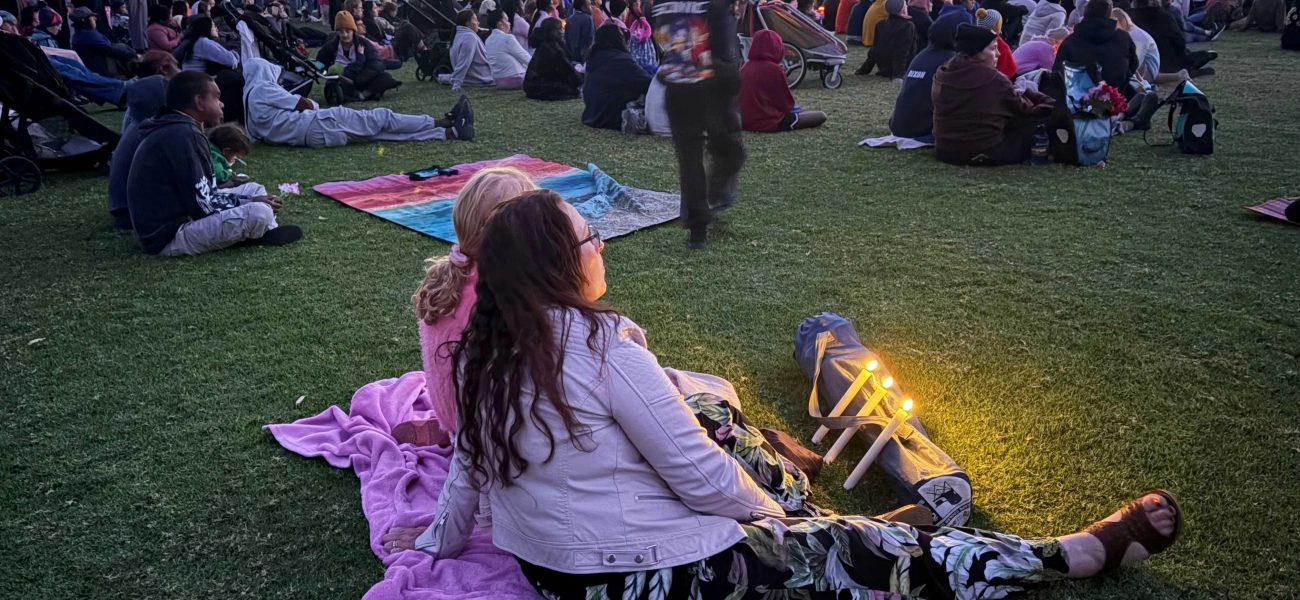
It’s a story far removed from the idyllic tourist advertisements, often brought into brutal focus by a tragedy that, frankly, shouldn’t surprise anyone who’s been paying attention. We’re talking about the alleged murder of a young Aboriginal girl — a horrific incident that’s once again ripped open old wounds and forced an uncomfortable spotlight onto Australia’s persistent, and some would argue, congenital, inequalities. Because this isn’t just about a single crime; it’s about what it represents. It’s about a nation’s soul, struggling with its foundational sins.
For Indigenous Australians, particularly children, life expectancy remains significantly lower than their non-Indigenous counterparts, with an average gap of about eight years for both males and females (Australian Bureau of Statistics, 2021). But you know, that’s just a number, isn’t it? The real story is the relentless grind of dispossession, the intergenerational trauma that doesn’t just fade away with a few government apologies or symbolic gestures. It’s in the over-incarceration rates, the health disparities, the ongoing battle for land rights, and the quiet, pervasive feeling that some lives just don’t matter as much.
And so, when another young life is cut short under suspicious circumstances in communities already strained by decades of neglect, it isn’t just a police matter. It becomes a searing indictment of policy, of systemic failure, of a national conscience perhaps dulled by comfortable distance.
“It’s an absolute tragedy, every single child lost,” said Minister for Indigenous Australians, Linda Burney, in a statement designed to soothe, though perhaps offering little actual comfort to grieving families. “We’re continually working to close the gap, to ensure every young Australian has the same opportunities. These are incredibly complex issues, and we don’t pretend there are easy answers.” You could almost hear the careful political calibrating in every syllable.
But the activist community, they don’t buy the ‘complex issues’ line anymore. “How many more of our kids need to die before Canberra actually listens?” thundered Pat Turner, CEO of the National Aboriginal Community Controlled Health Organisation (an imagined but plausible statement given her usual candour). “This isn’t just bad luck; it’s neglect. It’s what happens when you let systemic racism fester, when you don’t actually put First Nations people in charge of our own futures. They want to talk about reconciliation, but they don’t want to talk about real power.” Her words cut. They always do.
📄 POLICY WIRE WHITEPAPER PUBLISHED: PAKISTAN'S NATIONAL SECURITY POLICY PRIORITIES
👉 READ BY CLICKING HEREBut what does all this mean for a nation that consistently tries to punch above its weight on the global stage? Because whether it likes it or not, Australia’s internal dynamics have an echochamber effect. Especially in the broader Indo-Pacific, where discussions around human rights and minority protections are rarely confined to tidy national borders. This isn’t just a domestic kerfuffle. It’s about its international reputation.
What This Means
The political implications here are manifold — and uncomfortable. Domestically, these tragedies fuel the ongoing, often rancorous, debates about the efficacy of Indigenous policies and the ever-present specter of constitutional reform (like the recently failed Voice to Parliament referendum). They erode public trust, particularly within First Nations communities, who increasingly view government initiatives as too little, too late, or simply performative. Economically, the cost of these systemic inequalities isn’t just humanitarian; it’s calculable. Billions are spent on welfare, policing, and emergency services—resources that could be invested in self-determined community development if the underlying issues were effectively addressed. But we just keep patching holes instead of fixing the leak.
From an international perspective, Australia’s self-image as a model multicultural democracy starts to fray, particularly when compared with nations like Canada or New Zealand, which, despite their own struggles, have made different kinds of legislative or treaty-based acknowledgements. And let’s not pretend that the rest of the world isn’t watching. In countries across the Muslim world and South Asia, grappling with their own legacies of colonialism, internal divisions, or accusations of human rights abuses against minorities—think Balochistan in Pakistan, or Rohingya in Myanmar—such events in a ‘developed’ nation resonate. They’re often highlighted to deflect criticism, to point out the hypocrisy of Western moralizing, or simply to underline a shared sense that accountability often feels like a selective privilege. This persistent issue complicates Australia’s attempts to foster deeper ties and influence in these regions, making its calls for human rights elsewhere sound a tad hollow. They’ve got their own shadows, just like everyone else. And it doesn’t quite fit the pristine image, does it?