


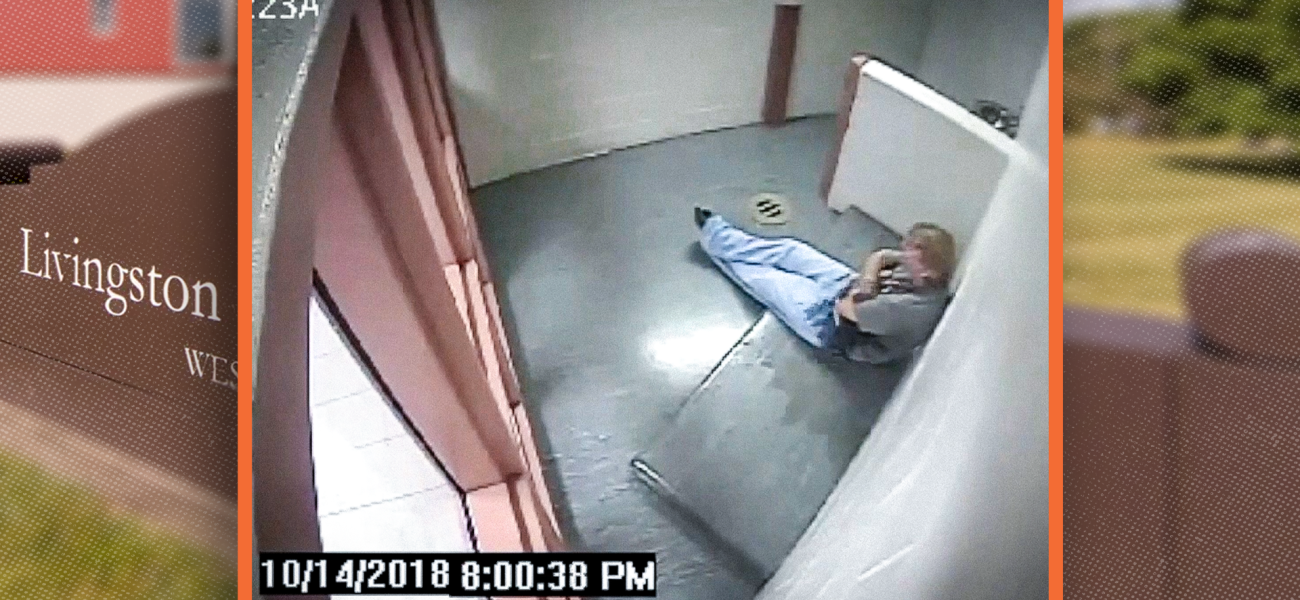
The Iron Shroud: When Public Service Shields Eclipse Public Accountability
POLICY WIRE — Washington, D.C. — Sometimes, the protections designed to let public servants do their jobs without constant fear of frivolous lawsuits just look like a cover-up. That’s the cold...

POLICY WIRE — Washington, D.C. — Sometimes, the protections designed to let public servants do their jobs without constant fear of frivolous lawsuits just look like a cover-up. That’s the cold reality staring us down after a federal court recently re-affirmed qualified immunity for police officers implicated in a deeply disturbing death within a Michigan jail cell. It’s a mechanism meant to shield—to offer breathing room—but lately, it just feels like it’s suffocating justice.
The details aren’t pretty. A man, arrested and placed in custody, ended up spending 13 hours on a jail floor, unresponsive, drowning in his own vomit, before he died. Thirteen hours. And no one, not a single officer or supervisor, is being held liable in federal civil court for what unfolded. They simply stood, or perhaps sat, protected by a doctrine that many now regard as less about legal defense and more about legal impunity.
This ruling, a quiet ripple in the vast ocean of American jurisprudence, hardly made headlines outside of specialist legal publications. But it echoes—oh, it echoes—through the increasingly contentious debate about police accountability across the country. It certainly reverberates in communities where faith in the system already hangs by a thread.
But proponents of qualified immunity aren’t seeing it as an absolution, of course. For them, it’s a necessary bulwark against an avalanche of litigation that would cripple local law enforcement agencies. “Look, officers face split-second decisions every single day under unimaginable pressure,” argued Chief Reginald Hayes of the National Police Leadership Alliance, speaking to Policy Wire from his office. “If we’re going to second-guess every tragic outcome with expensive lawsuits years later, we won’t have anyone willing to put on a uniform. Qualified immunity isn’t a get-out-of-jail-free card; it’s a pragmatic recognition of policing’s inherent complexities.” His point? We can’t demand perfection — and then penalize imperfect humans into paralysis.
Yet, the statistics are grim, especially for those who never make it out of custody. According to data from the Bureau of Justice Statistics, local jails in the United States reported nearly 1,000 deaths annually on average between 2000 and 2018. That number doesn’t even fully capture the circumstances that led to those deaths—like agonizing hours spent in distress.
And because of outcomes like this Michigan case, the chorus demanding reform is growing louder. Activists say it’s not about second-guessing good intentions; it’s about holding negligence—or worse—to account. “Thirteen hours. Thirteen,” lamented Aisha Khan, Director of Civil Liberties Advocates, her voice taut with frustration during a virtual press conference. “A man lay dying, in agony, — and the system just shrugs. This isn’t protection; it’s systemic apathy, whitewashed by legal precedent. We’re telling officials they can essentially preside over deaths with minimal consequences. What message does that send, not just here, but to nascent democracies striving for transparent justice around the globe?” Her exasperation, you couldn’t help but feel it, was a reflection of broader societal unease.
Her point about global implications is worth pausing on. Think about it: While we in the West often decry human rights failings in countries like Pakistan, where public trust in institutions faces its own unique challenges, this case lays bare similar vulnerabilities within our own democratic framework. For a nation grappling with its internal political stability and the perception of fair governance—say, in Islamabad—these decisions in the U.S. don’t exactly bolster confidence in universal justice principles. It just makes arguments about accountability — and human dignity seem, well, relative. And that’s not good for anyone.
📄 POLICY WIRE WHITEPAPER PUBLISHED: PAKISTAN'S NATIONAL SECURITY POLICY PRIORITIES
👉 READ BY CLICKING HEREWhat This Means
The re-affirmation of qualified immunity in this Michigan case isn’t just about a single tragedy; it’s a fresh scar on the public’s perception of justice and accountability in America. Politically, this ruling reinforces the deep chasm between civil rights advocates — and law enforcement unions. It hands powerful ammunition to those who argue that police departments operate with too much impunity, making any real reform a politically arduous, if not seemingly impossible, task. We’re witnessing a hardening of positions, not a thawing.
Economically, while proponents claim it prevents financial strain from endless lawsuits, the societal cost is immeasurable. There’s the tangible: expensive settlements paid out by municipalities in subsequent appeals or alternative claims, and the indirect hits to local economies when public trust erodes. A lack of trust discourages investment, limits community cooperation in public safety, and sometimes, leads to civic unrest—all costly outcomes that outweigh the perceived savings from a lack of individual liability. It’s a sort of perverse incentive structure that, over the long haul, hurts everybody. Legislators, much like the House Mavericks currently challenging party lines on aid, face increasing pressure to address the legal framework underpinning police behavior.
The long-term implication is a continuous chipping away at public confidence in the judicial and law enforcement systems. In a democracy, when the citizenry starts to believe that the rules don’t apply equally to everyone—especially those in power—the entire system, doesn’t it, becomes a good deal more fragile. What’s unfolding here is a battle for the very soul of how justice is perceived — and dispensed.