

Beyond the Algorithms: New Film Holds AI’s Czars Accountable
POLICY WIRE — Washington D.C., USA — The halos, it seems, are slipping. For years, the digital overlords of Silicon Valley have operated—largely—with the presumption of good faith, their boundless...

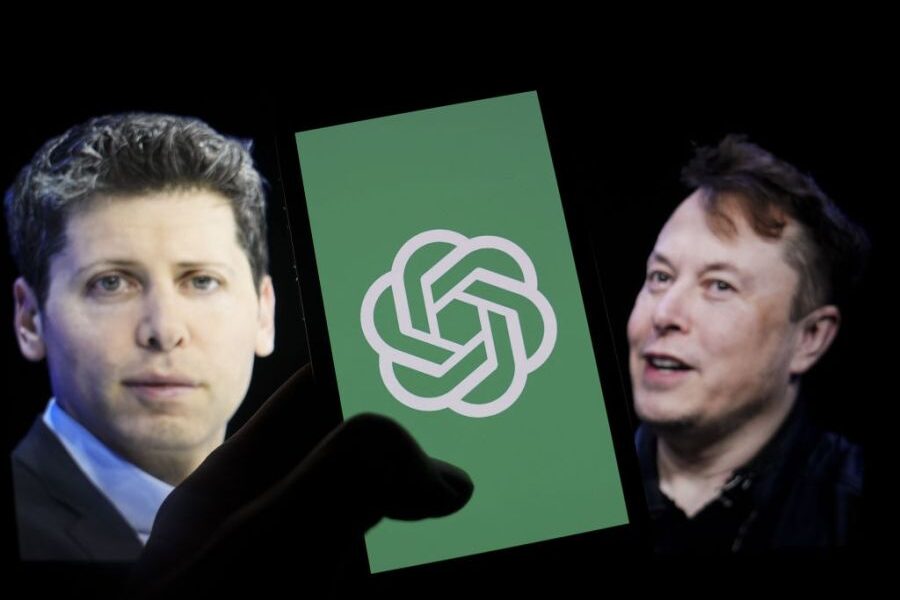
POLICY WIRE — Washington D.C., USA — The halos, it seems, are slipping. For years, the digital overlords of Silicon Valley have operated—largely—with the presumption of good faith, their boundless ambition often framed as a quest for collective human uplift. But a new film, whispered about in the tech world’s less polished corners, rips through that veneer, offering an unflinching, some say brutal, portrait of Sam Altman and Elon Musk. It’s not just another documentary; it’s a symptom, a growing cultural pushback against the unchecked power brokers of artificial intelligence.
No longer can these figures exist solely as visionary heroes, delivering mankind from the drudgery of its own making. People are questioning things now, really digging in. The narrative’s shifted, hasn’t it? Because when you’re building machines that could literally change everything, well, that sort of power invites an intense glare. This particular flick doesn’t just scratch the surface; it uses a mix of investigative journalism and—sources claim—rare archival footage to paint a complex, often uncomfortable, picture of the men behind OpenAI and xAI. And what emerges, apparently, isn’t always pretty.
It suggests a leadership style less about collaboration and more about unyielding personal vision, perhaps even bordering on egomania, that could very well warp AI’s trajectory. You’d think the money, the dizzying pace of innovation, might shield them from such a critical eye. But hey, everybody’s got a breaking point, don’t they? Especially when their actions carry global implications.
When asked about the mounting scrutiny and characterizations, Sam Altman, CEO of OpenAI, was characteristically composed, if a touch dismissive. “Innovation, true innovation, always faces detractors,” he’s been quoted saying internally, a sentiment we’re told reflects his public stance. “We’re focused on building something that benefits humanity, even if that path isn’t always perfectly smooth or understood by every observer.” It’s a familiar refrain: the innovator as martyr, misunderstood by the plebs.
Elon Musk, on the other hand, known for his unfiltered musings on his social media platform X (née Twitter), was reportedly less diplomatic. One aide recounted his reaction to the preliminary rumblings about the film: “Another hit piece, is it? Just tells you how scared they’re of real progress.” This particular outburst wasn’t surprising—it’s very on-brand, as they say—and speaks volumes about his conviction, or perhaps, his resistance to outside perspectives.
This evolving narrative—from starry-eyed awe to pointed skepticism—resonates across continents. In places like Pakistan, for instance, where technological leaps often mean a leap in economic opportunity, the perception of these tech titans is usually framed differently. They’re often seen as providers, facilitators of the country’s unexpected bets on economic revival through digital literacy and job creation. Yet, even there, questions begin to simmer about who truly controls these powerful tools, and whether local benefits might come with unseen dependencies.
📄 POLICY WIRE WHITEPAPER PUBLISHED: PAKISTAN'S NATIONAL SECURITY POLICY PRIORITIES
👉 READ BY CLICKING HEREIt isn’t merely Western intellectuals poking holes in the tech-savior myth, either. Global concerns are increasingly voiced about data privacy, algorithmic bias, and the concentration of AI development in a handful of private hands. Consider this: according to a recent analysis by Statista, 80% of global venture capital funding for AI startups in 2023 was concentrated in just North America and China. That’s a staggering imbalance, leaving many regions feeling like technological spectators.
And so, while a segment of the developing world eagerly embraces new platforms—sometimes blindly, it’s true—another segment worries about digital colonization and whether the AI narrative is simply a sophisticated new form of influence. This film, then, might not just be a Western exposé; it’s a signpost, telling us the honeymoon period for Big Tech’s biggest players is definitively over.
What This Means
The implications of such high-profile scrutiny for figures like Altman and Musk extend far beyond their personal reputations. Politically, this signals an era of increased governmental oversight, regardless of partisan divides. Lawmakers on both sides of the aisle, particularly in the U.S. and E.U., are already grappling with how to regulate rapidly advancing AI. Films like this, which humanize the debate and pull back the curtain on the industry’s often opaque power structures, only embolden these calls for legislative action. It’s tough for regulators to push back against a popular hero, but a tarnished one? Much easier. Expect to see accelerated movement on AI safety bills, perhaps even anti-monopoly challenges. It might even influence geopolitical dynamics, feeding into global competition for technological supremacy where trust and ethical considerations become strategic assets. Because a perceived moral high ground? That’s actually worth something in global soft power plays, as we’ve seen with sports’ geopolitical echoes.
Economically, this public reckoning could spook investors. Silicon Valley thrives on hype — and the perception of unbridled progress. Any narrative that introduces doubt about leadership, or hints at regulatory bottlenecks, can curb enthusiasm, slow investment, and—frankly—deflate those sky-high valuations. Companies might be forced to diversify leadership, or at least put a much friendlier, less contentious face forward. That’s probably wishful thinking, though. the public backlash could push companies to prioritize ‘ethical AI’ development more overtly, not just as a marketing ploy but as a genuine business strategy, to appease a skeptical public. But it’s going to be a long, drawn-out fight. For now, the narrative, — and the money, remains firmly in their court, just with a few more asterisks.