


Bernabeu Power Play: Club Politics Outweigh Pedigree in Real Madrid’s Next Command
POLICY WIRE — Madrid, Spain — It’s never just about football, is it? Not when you’re talking about Real Madrid. We’re witnessing less a search for the best manager and more a classic struggle...

POLICY WIRE — Madrid, Spain — It’s never just about football, is it? Not when you’re talking about Real Madrid. We’re witnessing less a search for the best manager and more a classic struggle for institutional control, veiled, of course, in the high drama of silverware. The upcoming presidential election isn’t merely deciding who signs the checks; it’s sketching the strategic roadmap for one of the planet’s biggest sporting empires.
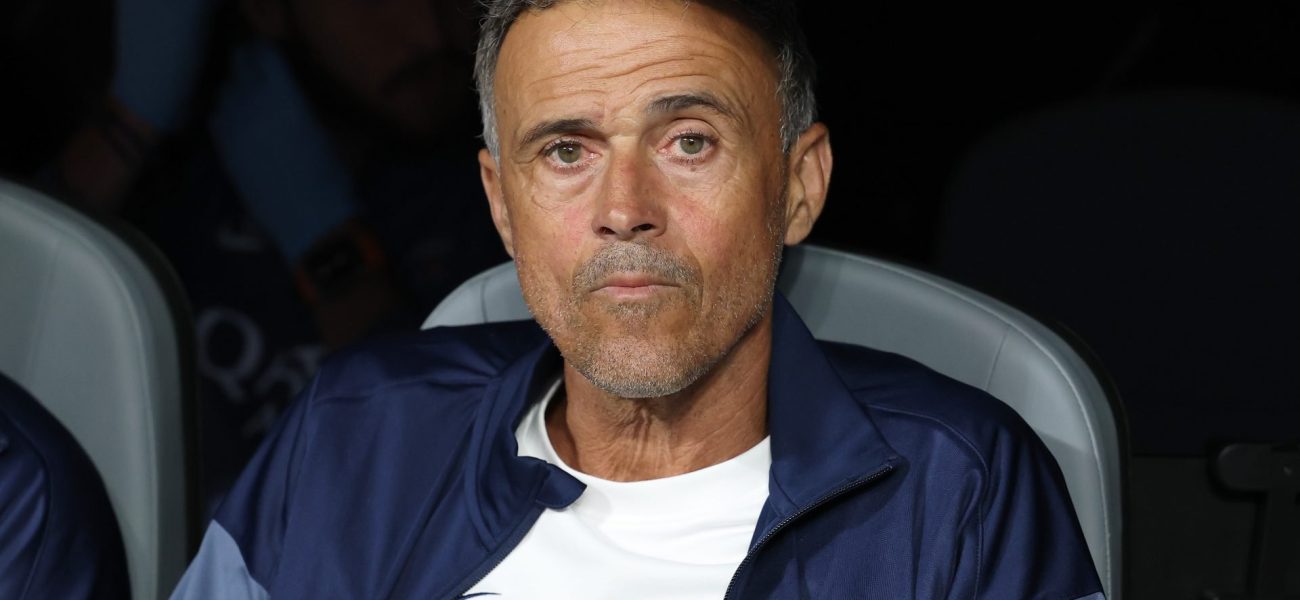
While pundits and former players clamor for fresh tactical genius, the real power brokers, Florentino Perez chief among them, seem content recycling proven, if sometimes polarizing, formulas. Never mind the allure of a red-hot Spanish tactician currently tearing up European club competitions—Luis Enrique, a name whispered with hushed reverence, almost an anomaly in Madrid’s traditional orbit—his formidable track record, even securing back-to-back Champions League titles with Paris Saint-Germain, gets sidelined by historical allegiances and pre-existing pacts.
But that’s the thing with Real. Sentiment often gives way to raw political calculus. Ex-defender Miguel Torres, chatting recently on Movistar+, threw Enrique’s name into the ring. And why not? He’s won, he’s Spanish, he’s fresh. “Look, the game’s changed,” Torres contended. “You need someone who’s not just winning, but doing it with modern flair, creating an identity. Luis Enrique’s shown he can deliver under intense pressure, even at PSG. You can’t ignore that.” It’s a reasonable plea, isn’t it? One grounded in pure sporting merit.
Yet, the Bernabeu’s executive suite runs on a different kind of logic. There, Jurgen Klopp, a titan in his own right, floats as an abstract ideal for challenger Enrique Riquelme, a strategic gambit more than a concrete pursuit. The established order, led by Perez, it seems, has its heart set on Jose Mourinho. An agreement, broad as it might be, already appears to be in place. “Managing a club of Real Madrid’s stature isn’t just about tactical prowess,” President Perez, a master of calculated ambiguity, might as well have said, “it’s about institutional stability, market strategy, and an understanding of our enduring legacy. My vision remains unchanged.” That’s the real talk, folks, the unwritten memo. Mourinho represents control, a familiar narrative, a firm hand that Perez trusts, despite—or perhaps because of—the fireworks.
Because Real Madrid isn’t just a football club anymore; it’s a global enterprise, a cultural phenomenon with economic tentacles stretching across continents. Forbes recently valued Real Madrid at a staggering $6.07 billion, making it one of the world’s most valuable sports franchises. That’s not pocket change; it’s serious business, requiring serious management – and, frankly, managers who can navigate both the pitch and the press in ways that uphold, rather than challenge, the club’s carefully constructed narrative. The manager, you see, isn’t just a coach; they’re a brand ambassador, a key player in the club’s global commercial strategy.
📄 POLICY WIRE WHITEPAPER PUBLISHED: PAKISTAN'S NATIONAL SECURITY POLICY PRIORITIES
👉 READ BY CLICKING HEREBut Enrique? Well, he’s got Barcelona stamped all over his heart, hasn’t he? That sort of history is rarely forgiven, never forgotten, in Madrid. You can’t be a club legend’s nightmare and then expect a warm embrace from the Bernabeu faithful—or from the man running the show. It just doesn’t work like that in this particular geopolitical landscape of football.
What This Means
The murmurs from Madrid offer a fascinating, if depressing, window into the true nature of power in elite sports. It’s not always about finding the person best suited for the job on paper. Often, it’s about alliances, about loyalty, about consolidating existing power structures. The persistent flirtation with Mourinho, despite past turbulence and other demonstrably successful options on the market, signals a return to a more conservative, authoritarian management style from Perez. This isn’t just about winning titles; it’s about reasserting absolute control, preferring a known, albeit fiery, quantity over the perceived independence of an innovator like Enrique.
Economically, this implies a focus on maintaining Real Madrid’s existing brand equity rather than disrupting it with a radical coaching choice, even if that choice promises a new aesthetic. Stability, as perceived by the presidency, translates to continued financial dominance. They’re eyeing lucrative commercial deals, expanded fan bases in booming markets like the Middle East and South Asia—from the bustling streets of Lahore to the growing academies in Doha. Billions across these regions follow Real Madrid passionately; managerial choices, no matter how politically motivated internally, must still resonate globally. But for now, it seems the pursuit of an era of undisputed internal leadership trumps, if only marginally, the popular desire for a more overtly ‘modern’ on-pitch identity. It’s business, yes, but business cloaked in regal white, heavily influenced by old loyalties — and political currency.