


Mourinho, Modric: Madrid’s Strategic Return of Legends
Real Madrid welcomes Mourinho back. Is 40-year-old Luka Modrić next for a non-playing role? Unpack the club's shrewd strategy to leverage legends and global appeal.

POLICY WIRE — Madrid, Spain — The Bernabéu, a cathedral of triumphs and spectacular betrayals, finds itself caught in a curious temporal loop. José Mourinho’s dramatic return to Real Madrid, 13 years after his tempestuous first stint, was spectacle enough. But now, whispers suggest the Spanish giants aren’t merely content with re-hiring a manager who specializes in drama; they’re reportedly eyeing another, older prodigal son for a non-playing role.
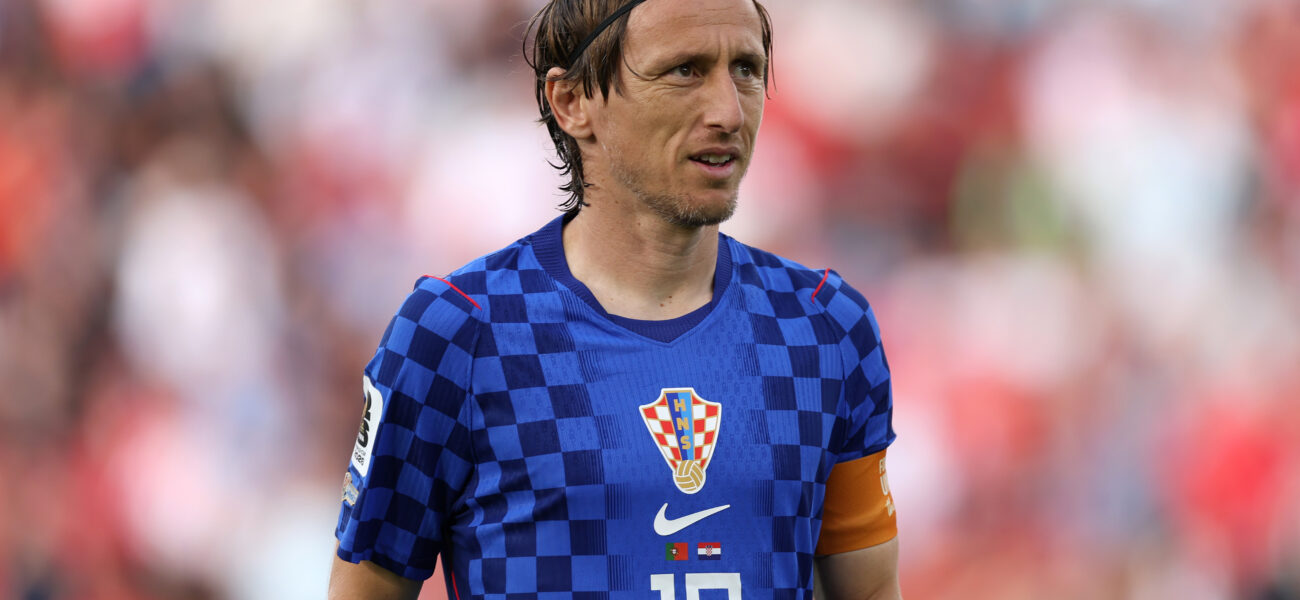
It’s a peculiar phenomenon, isn’t it? This dance between club — and legend, a carefully choreographed tango balancing sentiment with stark financial realities. For Luka Modrić, the 40-year-old Croatian midfielder whose sublime touch defied the relentless march of time for so long, a return isn’t about lacing up boots. It’s about becoming part of the club’s institutional furniture—a familiar face, a living monument, perhaps a sage advisor.
Modrić, having recently watched his Croatian squad exit the 2026 World Cup in the round of 32 (a disappointing outcome for a nation with such footballing pride), is at a crossroads. He’d spent the last season with AC Milan after departing Madrid the previous summer, a year many saw as a valedictory lap. But football, like global politics, rarely allows for quiet exits. He still casts a long shadow.
The reported offer from Madrid isn’t for midfield masterclasses, but for something more… cerebral. Coaching staff? A brand ambassador? MD, the Catalan sports daily, dropped the breadcrumbs. It’s not etched in stone, of course, the specific job title remaining delightfully vague. But because Mourinho himself was the one who ushered Modrić into the Santiago Bernabéu’s hallowed halls back in 2012, the optics of the ‘Special One’ wanting to keep that thread—that shared history—alive, are compelling.
“Luka’s mind? It’s a treasure, isn’t it?” observed José Mourinho, in a rare moment of public contemplation on past players. “Players like him don’t just disappear from the game; they evolve. We’ve always had a special understanding. It’d be foolish not to tap into that, to harness that sort of footballing intellect.” And you can almost hear the gears turning in his head, can’t you?
But Modrić has options, of course. Milan, it seems, isn’t quite ready to let go, offering him either another playing contract—a remarkable feat for a player his age—or a similar non-playing position within their ranks. It speaks volumes to the value that experience and global appeal command in the hyper-commercialized world of European football, even past peak athletic performance. Modrić has earned the right to deliberate, to muse over which institutional embrace feels most fitting for his twilight.
This situation, the prolonged career of a global footballing phenomenon like Modrić, stands as an anomaly against the prevailing tide. According to a 2023 report from FIFPRO, the global players’ union, the average career length for a professional footballer at the top tier hovers around a fleeting 8.2 years. Modrić’s two-decade-plus stint at the pinnacle is a testament to extraordinary resilience and, let’s face it, genetic good fortune.
📄 POLICY WIRE WHITEPAPER PUBLISHED: PAKISTAN'S NATIONAL SECURITY POLICY PRIORITIES
👉 READ BY CLICKING HEREThese player narratives resonate profoundly far beyond Europe’s borders. In places like Pakistan, for instance, where passion for European football, particularly for titans like Real Madrid, runs deep, such stories are devoured. Modrić, with his unassuming grace — and enduring excellence, has become an aspirational figure. Millions across South Asia—and indeed, throughout the Muslim world—follow every twitch and turn of these colossal clubs, not just for the spectacle, but for the universal drama of ambition, sacrifice, and the relentless pursuit of perfection. This deep, unwavering engagement transforms fan loyalty into concrete economic value, underpinning the very salaries that tempt aging legends back into the fold. It’s a complex global ecosystem, a beautiful — and ruthless thing.
What This Means
This isn’t merely a football story; it’s a strategic corporate maneuver disguised in sentimentality. Real Madrid, much like any global mega-brand, understands the immense value in retaining its history, its ‘IP.’ Reintegrating Luka Modrić—even if he’s just advising on latte selection for the academy players—is about fortifying the club’s global narrative. It’s about leveraging brand equity — and emotional attachment. These are lessons not lost on savvy entities from Islamabad to Jakarta, where brand legacy and loyal following mean everything. Real Madrid’s appeal in a Muslim-majority nation like Pakistan, for example, generates significant revenue through merchandise sales, broadcasting rights, and the simple, priceless commodity of mindshare. Bringing Modrić back, in any capacity, acts as a subtle but effective way to reinforce that connection.
But there’s a deeper, more mercenary logic at play here too. In a sporting landscape increasingly dominated by financial might and cut-throat transfers—a brutal economics that sees young talent traded like commodities—keeping a revered veteran like Modrić on the payroll in a non-playing capacity serves several purposes. He can mentor. He can inspire. He can, perhaps most critically, contribute to the club’s public image, providing continuity that new signings, however dazzling, simply can’t. It’s a shrewd, calculated investment in a legacy asset.
“Real Madrid isn’t just a club; it’s a family, a legacy,” Club President Florentino Pérez once famously stated. “We honor those who bled white. Modrić, he’s one of ours. Our door, it’s always open to genuine legends.” The PR, you see, writes itself. And ultimately, that PR translates directly into sustained global appeal, maintaining Real Madrid’s economic powerhouse status. For Modrić, it’s a dignified exit ramp, perhaps, or a seamless transition to a new kind of immortality within the very walls where he crafted his legend. The curtain call awaits, but not necessarily the final one.