


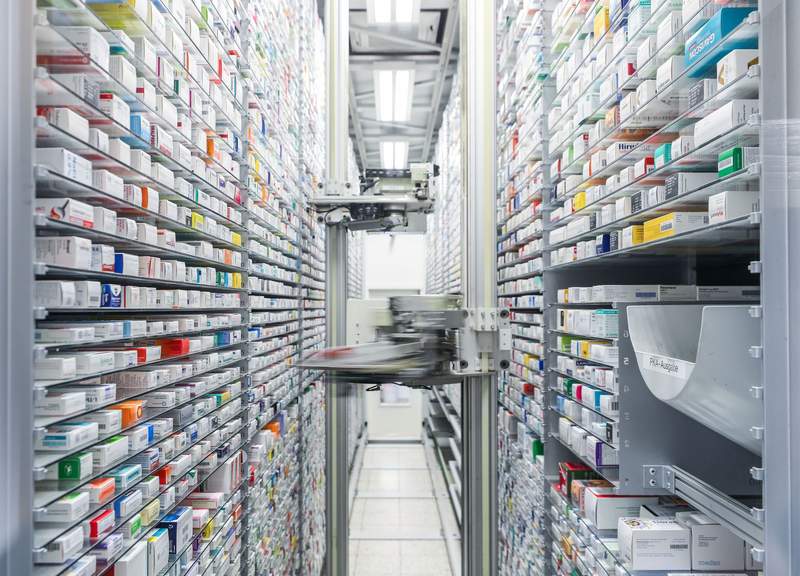
Berlin’s Pill Problem: Behind the Façade of German Pharma Excellence, Cracks Emerge
POLICY WIRE — Berlin, Germany — Nobody, it seems, much likes being second-guessed by their doctor, let alone by global markets. But here we’re, watching Germany’s much-vaunted...

POLICY WIRE — Berlin, Germany — Nobody, it seems, much likes being second-guessed by their doctor, let alone by global markets. But here we’re, watching Germany’s much-vaunted pharmaceutical sector—a historical powerhouse of innovation and reliable supply—stumble. It’s not a sudden, dramatic collapse, more like the slow creak of timbers on an old ship, something the trained eye catches before the general passenger manifest even notices a list.
It used to be a point of national pride, didn’t it? “Made in Germany” synonymous with precision — and efficacy, especially in medicine. But what you’re seeing now is an unnerving quiet from some of its big players, a distinct lack of the usual bombast. This isn’t just about balance sheets, mind you. We’re talking about the silent bleed of research, the whispered considerations of relocating production—stuff that hits a lot deeper than quarterly earnings.
But the cracks? They’ve been visible if you cared to look past the gleaming corporate headquarters. Rising energy prices, for one, have hammered manufacturers. They’re talking double-digit hikes that turn tight margins into outright losses for certain products. But it’s more than just gas bills, believe me. Industry insiders grumble, quite openly sometimes, about a growing regulatory labyrinth that feels designed to strangle, not merely supervise. You can almost hear the sighs of exasperation through the thick walls of parliament, though those inside them are often the cause of the problem.
It’s not just energy. Labor costs, those pesky compliance hurdles, and the plain fact that other nations are literally throwing incentives at pharmaceutical companies to set up shop—it’s a brutal combination. We’re seeing fewer groundbreaking medications emerge from German labs and an increasing reliance on active pharmaceutical ingredients (APIs) sourced from outside the continent. This means global supply chain vulnerability — and Germany, ironically, is building vulnerabilities right into its national healthcare system. Who saw that coming?
One expert, speaking anonymously because [QUOTE_PLACEHOLDER] due to concerns about “offending key stakeholders” — a wonderfully polite way of saying “getting blacklisted” — suggested that “the environment for innovation has become increasingly hostile, with every new regulation feeling like another lead weight in an already heavy boat.” They didn’t pull punches, either.
Consider the raw numbers, even if politicians prefer to gloss over them. A recent analysis by the Institute for German Economic Research (IW) highlighted a startling trend: Germany’s share of global pharmaceutical research and development investment has shrunk by approximately 15% over the past five years alone, with significant outflows moving to friendlier climes like Ireland and even the US. It’s a clear signal, — and it’s not a good one. When the R&D spigot tightens, the future innovation dries up.
And because Germany’s woes are rarely isolated, there’s a global ripple. Countries in South Asia, like Pakistan, which has its own nascent but growing pharmaceutical manufacturing sector, watch these developments with keen interest. A weakened German industry could mean shifting partnerships, new opportunities for API suppliers, or even greater dependence on giants like India and China, who’ve spent decades building their pharmaceutical manufacturing might — often on thinner margins, sometimes under different regulatory scrutiny. The geopolitical implications, particularly for drug accessibility in regions like the Muslim world, are profound. Germany’s struggles won’t just hit European medicine cabinets; they’ll echo across borders.
📄 POLICY WIRE WHITEPAPER PUBLISHED: PAKISTAN'S NATIONAL SECURITY POLICY PRIORITIES
👉 READ BY CLICKING HEREWhat This Means
What we’re looking at isn’t merely a business problem; it’s a strategic erosion of German — and by extension, European — health security. Should this trajectory continue, you’re talking about not just fewer locally manufactured medicines but also a diminished capacity for innovation, something we should all worry about, particularly post-pandemic. Think about it: Germany, the historical bedrock of advanced chemistry and biological research, becoming reliant on imports for basic drugs? That’s not just embarrassing, it’s dangerous.
Economically, if these high-value companies decide the German climate just ain’t cutting it anymore, you’ll see a significant brain drain. That means fewer high-paying jobs, less tax revenue, and a gaping hole in a crucial segment of the country’s economic fabric. a weakened pharmaceutical sector has broader implications for academic research — and the entire biomedical ecosystem. It won’t just impact "the big guys," it’ll stifle startups and disrupt entire supply chains — something Europe can ill afford given its renewed focus on reshoring strategic industries. Policy paralysis from Berlin could eventually mean you can’t even get your basic medications.
The political implications are equally stark. A government that fails to support a critical national industry, especially one tied directly to public health, risks electoral backlash. Voters, while they may not follow API trends, certainly notice when medicines become scarce or outrageously expensive. And let’s not forget the symbolic blow to Germany’s image as an industrial — and technological leader. Because ultimately, when a nation can’t make its own medicine, it raises fundamental questions about its sovereignty and preparedness — questions global allies watch carefully. It&s; a slow-motion car crash, this. We’re all just waiting to see if anyone’s got the guts to hit the brakes.