

Berlin’s Indo-Pacific Gambit: Germany, India Ink Defense Pact Amidst Shifting Global Tides
POLICY WIRE — Berlin, Germany — Europe, a continent long fixated on its immediate eastern flank, now casts a decidedly longer shadow toward the sprawling Indo-Pacific. That particular...

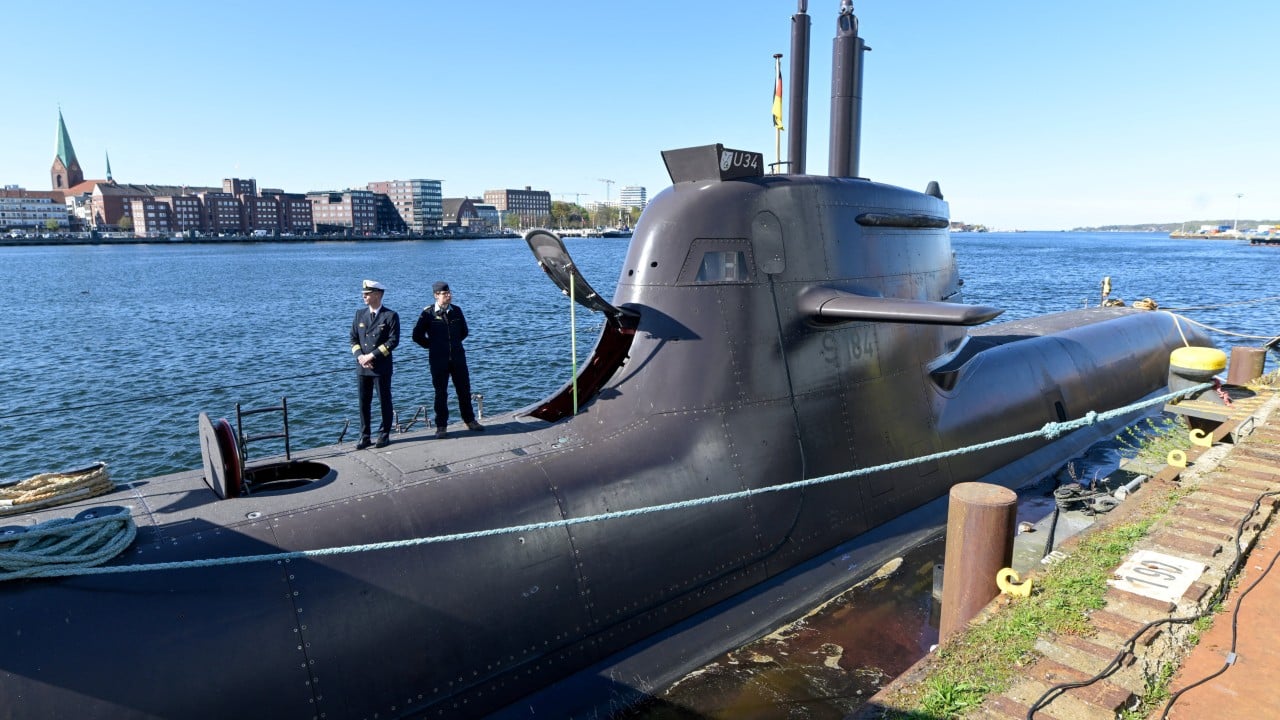
POLICY WIRE — Berlin, Germany — Europe, a continent long fixated on its immediate eastern flank, now casts a decidedly longer shadow toward the sprawling Indo-Pacific. That particular gravitational pull — intensified, no doubt, by recent geopolitical tremors — has found a potent, if somewhat unexpected, manifestation in a freshly minted defense accord between Germany and India. It’s less about flashy weaponry than a subtle, yet profound, realignment of strategic ambitions, an intricate dance aimed at securing New Delhi’s beleaguered undersea fleet while simultaneously granting Berlin a long-coveted — and consequential — perch in a region brimming with strategic import.
The ink on the ‘Defence Industrial Cooperation Road Map’ dried in Berlin — oh, the symbolism of it — just days ago. Indian Defence Minister Rajnath Singh, a man not prone to effusive pronouncements, stood alongside his German counterpart, Boris Pistorius, and together they unveiled a framework that transcends mere procurement. This isn’t your grandfather’s arms deal. No, sir. This is about deep collaboration: joint development, the shared crucible of production, and an earnest quest for niche technologies that could, quite literally, shift maritime dynamics.
At its core, this pact represents a calculated gamble for both nations. India, acutely aware of its aging — some would say decrepit — submarine fleet, has been casting about for a reliable partner. Its traditional primary supplier, Russia, has become a complex proposition, its industrial capacity strained by conflict, its political alignment increasingly problematic for a nation striving for strategic autonomy. India’s naval ambitions, vital for controlling its vast maritime interests and projecting power across the Indian Ocean Region, demand fresh blood, fresh tech, and, crucially, diversified sources. So, this German overture, packaged not just as a sale but as a partnership, arrives as a veritable godsend.
And for Germany? Ah, Germany. The nation’s ‘Zeitenwende’ — its epochal shift in defense policy — isn’t confined to shoring up NATO’s eastern borders. Chancellor Olaf Scholz’s government has clearly signaled a more assertive global posture, one that recognizes the Indo-Pacific’s undisputed centrality to global trade routes and power projection. This accord isn’t just a commercial victory for German defense manufacturers — though it certainly is that — but a deliberate, strategic step towards establishing Berlin as a serious player beyond the confines of the European landmass. It’s a way for Europe to demonstrate its growing capacity for global security stewardship, even as it grapples with its own internal divisions.
Minister Singh, ever the pragmatist, offered a succinct — — and telling — assessment. "India’s strategic autonomy isn’t a doctrine of isolation, but one of diversified partnerships," he opined, his words carefully chosen to reassure both domestic constituencies and wary international observers. "This accord with Germany underscores our commitment to enhancing indigenous capabilities while forging critical alliances to secure our maritime interests." And his German opposite number, Pistorius, perhaps more candid than usual, shot back, "Europe’s security compass now points further east, recognizing the Indo-Pacific’s profound influence on global stability. This partnership with India isn’t merely transactional; it’s a foundational step towards a more robust, collective security architecture." They’re both right, of course, in their own ways.
The geopolitical tremors reverberate across South Asia, too. India’s quest for naval superiority — particularly its submarine strength — isn’t viewed idly by its neighbors. Pakistan, New Delhi’s perennial rival, maintains its own, albeit smaller, submarine fleet, often sourced from China. Any significant enhancement to India’s underwater capabilities directly influences the delicate balance of power in the Arabian Sea and beyond. And this German engagement, a European power inserting itself into India’s defense matrix, signals a broadening of strategic options for New Delhi that could reshape regional security dynamics for the wider Muslim world, forcing nations like Pakistan to reassess their own defense procurement strategies and alliances. It’s a quiet chess move, but one with loud implications.
Consider the raw numbers: India, according to the Stockholm International Peace Research Institute (SIPRI), was the world’s largest importer of major arms between 2018-2022, accounting for 11% of global arms imports. That’s a colossal appetite, and Europe — previously a secondary player to Russia and even the United States in the Indian defense market — is finally seizing its chance. But it’s not just about selling submarines; it’s about co-developing technologies, fostering a domestic defense industrial base for India, and perhaps, just perhaps, creating a template for other European nations to engage more deeply with this pivotal Asian power. The stakes, it’s clear, couldn’t be higher.
What This Means
This “Defence Industrial Cooperation Road Map” isn’t a mere footnote; it’s a chapter heading in the evolving geopolitical narrative. Politically, it solidifies India’s “multi-alignment” strategy, demonstrating its capacity to forge partnerships with diverse global powers without committing to any single bloc. This nuanced approach allows New Delhi to maintain strategic autonomy, leveraging competition among suppliers to its advantage. For Germany, it’s a clear signal of its commitment to a broader Indo-Pacific strategy, moving beyond rhetorical declarations to tangible defense cooperation. Economically, the implications are substantial. It promises a significant boost to India’s ‘Make in India’ defense initiative, fostering technology transfer and potentially creating thousands of high-skill jobs. German defense firms, in turn, gain unprecedented access to one of the world’s most lucrative — and consistently growing — defense markets.
But let’s not get carried away; the path ahead isn’t without its impediments. Technology transfer is a notoriously thorny issue, fraught with intellectual property concerns and bureaucratic inertia. Ensuring seamless integration of German technology with India’s existing, diverse defense ecosystem will require considerable diplomatic finesse and technical expertise. Still, this accord sets a precedent. It outlines a vision for an integrated, joint approach to defense innovation — a far cry from the purely transactional relationships of yesteryear. The broader EU will be watching, assessing whether this German-Indian template can indeed pave the way for wider European engagement in the Indo-Pacific, subtly shifting the balance of power — and influence — in a region demanding ever more intricate diplomatic and strategic maneuvering.