
Albuquerque’s Bleeding Edge: Routine Welfare Check Unveils Grim Truth, 20th Homicide This Year
POLICY WIRE — Albuquerque, New Mexico — Sometimes, it isn’t the explosion that defines a tragedy, but the whimper that precedes it. Out here, where the high desert meets metropolitan sprawl, a...

POLICY WIRE — Albuquerque, New Mexico — Sometimes, it isn’t the explosion that defines a tragedy, but the whimper that precedes it. Out here, where the high desert meets metropolitan sprawl, a simple check-in—a welfare check, mind you—turned into yet another grim entry in the city’s ledger of loss this week. It started like any other Wednesday, a dispatcher taking a call, officers rolling out. But it certainly didn’t end that way.
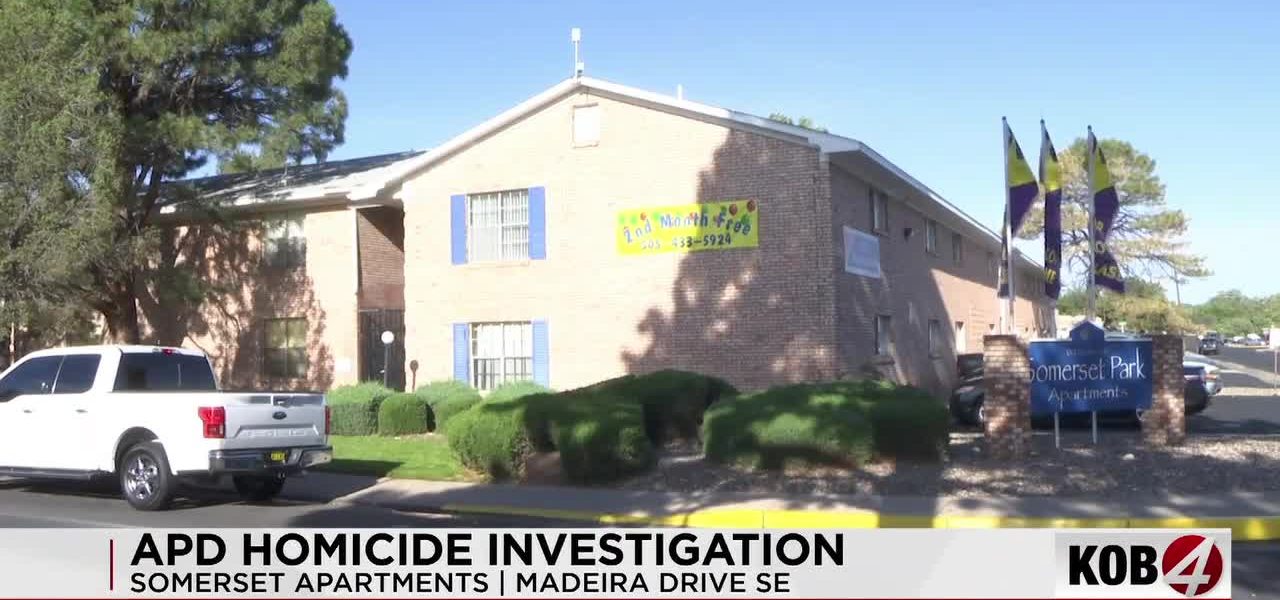
Down at 1201 Madeira Dr. SE, tucked away in southeast Albuquerque, officers didn’t find someone in need of assistance; they found someone already gone. Dead. That’s it. An adult, simply no longer there, and now the Albuquerque Police Department (APD) is on the hook for another homicide investigation. No grand shootout, no dramatic standoff. Just silence, a concerned party, — and a corpse. [QUOTE_PLACEHOLDER]
It’s an uncomfortably familiar narrative in cities across the United States. And this latest incident, raw and still lacking in any substantive detail—the police have been rather tight-lipped, saying only that "Details are limited. APD is investigating."—has quietly nudged Albuquerque’s homicide count to a disconcerting new milestone for the year. This isn’t just about one person; it’s about the erosion of a basic societal fabric. It’s about communities fraying at the edges, where someone can disappear, literally and fatally, without immediate notice.
We’re talking about a metropolis struggling, like many others, with its internal demons. When APD dropped its data on May 30, it revealed a city still grappling. And the numbers, they speak for themselves: there were 19 homicide victims in 2026. Yes, that’s already the tally, per APD. It’s not some abstract statistic; it’s nineteen lives cut short, often violently. To put it in perspective, that’s already more than a quarter of the 2025 total of 27 victims, and just over half of the 36 homicides logged in 2024.
Now, this latest grim discovery pushes that 2026 figure to an even twenty. Following APD, this person would be the 20th homicide victim in the city. Just under six months in, — and we’re at a twenty. It’s a somber benchmark, isn’t it? It suggests a worrying trajectory for the year ahead. And you’ve gotta wonder: what’s going on behind these apartment doors, these quiet moments of daily life?
One might observe that such incidents speak volumes about the sometimes-isolated nature of modern life. In many parts of the world, particularly in communities where family ties and neighborly vigilance remain cornerstones—say, in villages across Pakistan or in tightly-knit urban neighborhoods throughout South Asia and the broader Muslim world—such an unremarked-upon decline of an individual is less common. There, an elderly relative or an ailing neighbor would likely be checked on, fed, and integrated into the communal care network as a matter of routine, not as a specialized "welfare check" conducted by strangers wearing badges. It’s a different ethos, one where shared responsibility might just prevent a body from lying undiscovered for an extended period.
The city’s police aren’t exactly idle, mind you. They’ve been closing cases. The most recent APD data also showed just four cases have gone unsolved this year. That’s a better clearance rate than some. But resolution after the fact, though important for justice, doesn’t bring back the dead. Nor does it address the deeper currents that churn beneath the surface of urban violence.
📄 POLICY WIRE WHITEPAPER PUBLISHED: PAKISTAN'S NATIONAL SECURITY POLICY PRIORITIES
👉 READ BY CLICKING HEREThis welfare check was at an apartment complex near San Mateo Boulevard, just north of Gibson Boulevard—places many locals know. It wasn’t in some remote, forgotten corner. This is in the thick of it, folks, making the stark reality of community breakdown all the more apparent. And it’s something everyone, from city hall to your next-door neighbor, has got to grapple with. There’s no escaping the quiet desperation sometimes bubbling just below the surface.
What This Means
The implications of this kind of incident stretch beyond the immediate crime scene tape. First, politically, it puts added pressure on municipal leadership — and law enforcement. A rising homicide count — or even a steady, stubbornly high one — fuels public fear and demands for tangible action. It impacts electoral cycles, budgets, — and public confidence. Residents start questioning if their neighborhoods are truly safe, leading to calls for increased policing, but often, also to debates about the root causes of crime, such as poverty, lack of opportunity, or inadequate social services.
Economically, persistent high crime rates, particularly homicides, cast a long shadow. Businesses can become wary of investing in affected areas, stifling job creation — and economic growth. Property values might stagnate. The narrative of a ‘dangerous city’ can deter tourism and new residents, effectively starving local economies that depend on vibrant urban life. There’s also the direct financial strain on city resources, as investigations, prosecutions, and victim support services draw significant funds.
Socially, such events are a grim thermometer of a community’s health. The need for a police "welfare check" itself speaks volumes about social isolation in parts of modern America. Contrast this with the community cohesion often observed in South Asia, for instance, where extended family networks or communal structures (like a mosque or local council) frequently mean individuals – especially the vulnerable – are seldom left entirely alone for long periods without anyone noticing their absence or distress. The slow discovery of this particular tragedy in Albuquerque isn’t just about crime; it’s a stark commentary on fading neighborly bonds and the consequences of an increasingly individualistic society. Policy decisions around urban planning, housing, — and social safety nets should account for this societal unraveling. Ignoring it just pushes the issue further down the road, to inevitable, equally somber discoveries. Just ask yourself: who checks on your lonely neighbor? Because often, if not for concerned citizens, police might never know. Or it might be far too late.