


Berlin’s Digital Tightrope: Why Germany Won’t Just Ban Kid’s Social Media
POLICY WIRE — Berlin, Germany — We’ve all seen it: the hunched shoulders, the vacant stare, the perpetual glow of a screen reflecting off young faces. It’s a scene played out in every café, every...

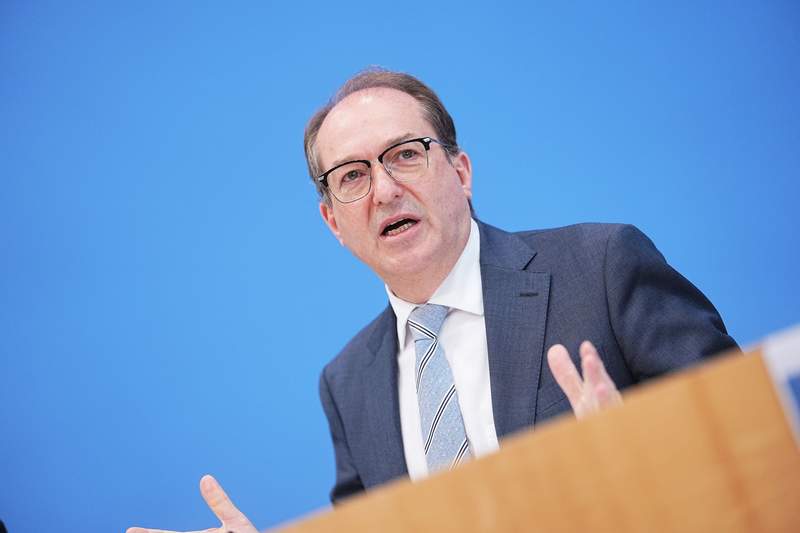
POLICY WIRE — Berlin, Germany — We’ve all seen it: the hunched shoulders, the vacant stare, the perpetual glow of a screen reflecting off young faces. It’s a scene played out in every café, every living room, across Europe — and beyond. And the natural parental instinct? Just make it stop. Ban it all. Wipe the digital slate clean for the kids. But Germany’s Interior Minister, Nancy Faeser, isn’t buying the simplicity of that solution. Her stance? A nuanced skepticism that cuts right to the messy, unglamorous core of modern policy-making.
It isn’t a matter of not caring—far from it. There’s a palpable anxiety, an almost generational tremor, running through societies grappling with digital immersion. How do we shield the youngest among us without severing their connection to a world that, like it or not, is fundamentally online? Faeser, a Social Democrat, sees the proposed sweeping ban, championed by some vocal segments and even whispered about in Brussels corridors, as a feel-good measure, perhaps, but one fraught with practical and philosophical potholes.
“We can’t pretend we can simply flick a switch and make the internet disappear for minors,” Faeser recently stated, her tone weary but resolute in a discussion we observed. “That’s just not how our connected world works. It’s an illusion, really. What we’re tasked with is a far harder job: not prohibition, but empowerment. Equipping parents, arming children with digital literacy, holding platforms accountable—that’s the terrain we must navigate.” It’s a pragmatic, some might say dry, take on an emotional topic. She isn’t interested in moral crusades, it seems; she’s focused on what’s actionable.
The sentiment for greater controls, it’s fair to say, isn’t unwarranted. Research paints a concerning picture. A 2023 Statista survey revealed that nearly half of all internet users aged 14 to 29 in Germany spend over three hours daily on social media platforms. Three hours! Think about that, the sheer volume of unfiltered, often unmoderated content flowing into impressionable minds. This isn’t just about fun dances; it’s about predatory algorithms, echo chambers, and insidious mental health pressures.
And because the digital frontier knows no borders, what’s happening here in Europe mirrors conversations across the globe. Take Pakistan, for instance, a nation with one of the youngest populations worldwide — and burgeoning digital adoption. Authorities there often grapple with regulating content, too—though sometimes with a heavy hand, favoring broad bans or content filtering that sidesteps the nuances of digital education. For them, much like for some German conservatives, the knee-jerk reaction might be total blockage. But even in a place like Islamabad, a total shutdown often faces circumvention, cultural pushback, and simply doesn’t solve the core issue of responsible digital citizenship.
📄 POLICY WIRE WHITEPAPER PUBLISHED: PAKISTAN'S NATIONAL SECURITY POLICY PRIORITIES
👉 READ BY CLICKING HEREMany worry a full ban could breed clandestine use, pushing children into less safe corners of the internet. Children need tools to discern, to protect themselves, not just a lock on the door. It’s why calls are growing, from within Germany and internationally, for mandatory digital literacy programs in schools, a sort of “cybersafety” class that would, honestly, make a world of difference. It would teach kids not to trust everything they see. And it might just inoculate them against the worst parts of online culture.
Professor Anja Weber, a Berlin-based child psychologist specializing in media impact, echoed Faeser’s pragmatic caution. “Parental vigilance is non-negotiable, yes. But we also have to compel the tech giants to build genuinely safe, age-appropriate environments,” she told Policy Wire. “They’re quick to innovate for engagement, but agonizingly slow on protection. It’s on them to design ethical platforms, not just dump the responsibility entirely onto overwhelmed parents and reactive governments.” It’s a stark truth: the Silicon Valley model thrives on engagement, not necessarily well-being.
What This Means
Faeser’s reluctance signals that Germany, and likely the wider European Union, won’t be rushing into any wholesale ban on children’s social media access anytime soon. This isn’t a battle against an enemy, but a delicate, multifaceted war of attrition against harmful content and predatory design, fought with the clumsiest of legal instruments. Politically, her stance avoids alienating segments of the youth demographic, who see a digital life as inherently theirs, while also appeasing parent groups looking for practical, albeit less drastic, solutions. But it’s going to frustrate the digital moralists who prefer a hard line. Economically, a blanket ban would face immense pressure from tech lobbyists and would be incredibly complex, not to mention costly, to enforce. And from a societal perspective, it reflects a growing consensus that real protection comes from education and responsible design, not just outright prohibition. But make no mistake: the pressure to do something, anything, will only intensify as our children spend more of their waking hours glued to tiny screens. Berlin’s gambit, it seems, is to educate, not merely censor, facing a problem many societies grapple with on their own terms, often with little success.