Germany’s NATO Tightrope: Scholz, Erdogan, & Defense
Berlin's Chancellor Scholz navigates NATO's defense demands, Erdogan's influence, and domestic pressures. Unpack Germany's pivotal role in a changing alliance.

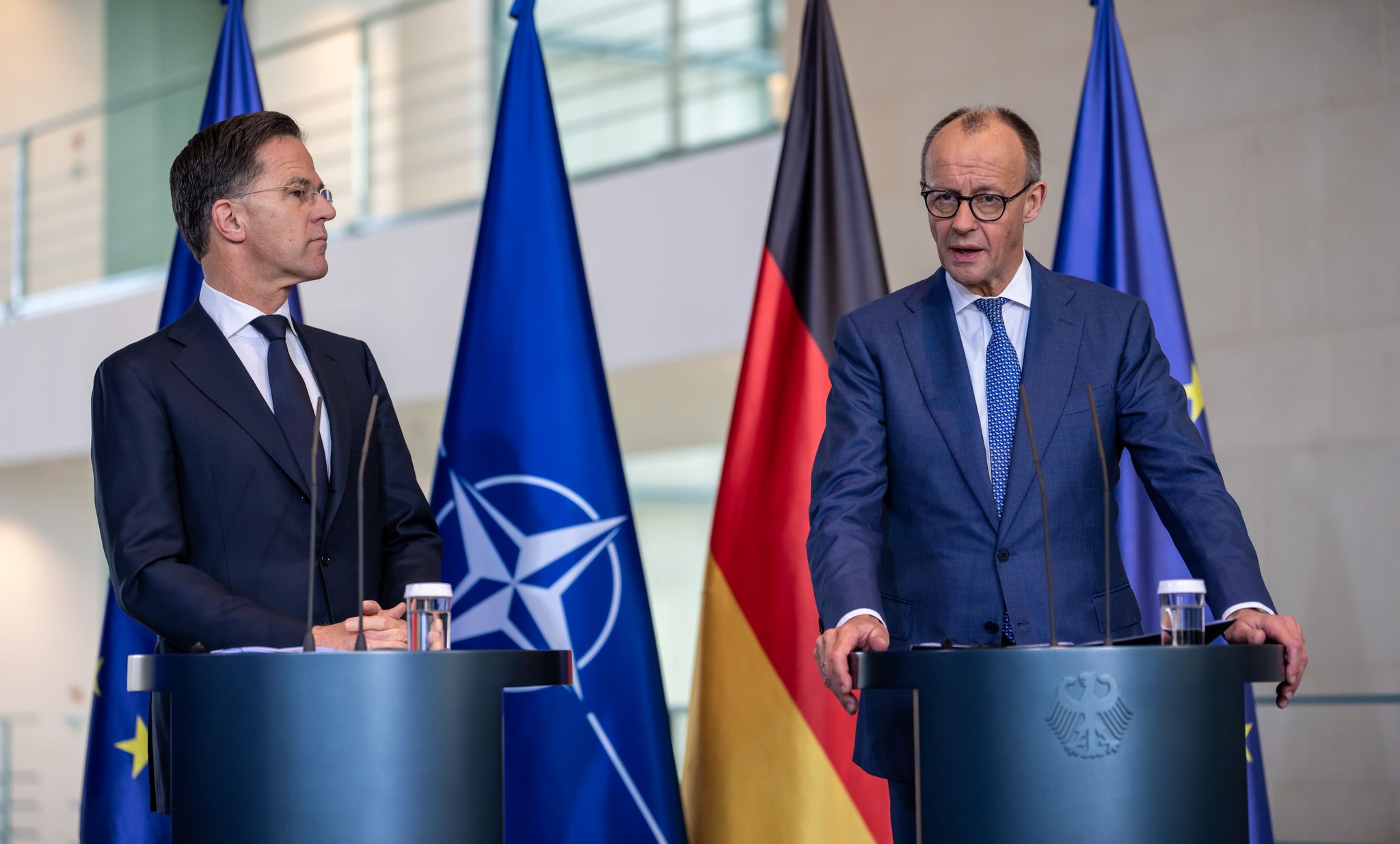
POLICY WIRE — Berlin, Germany — There’s a particular kind of theatre playing out in the corridors of power, a slow, often ponderous dance, and Germany seems to be doing the two-step with considerable reluctance. While the spotlight fixates on the drumbeat of tanks in Eastern Europe, Berlin, it appears, is quietly agonizing over how deeply to commit its coffers—and its historical inhibitions—to the West’s collective defense apparatus. Mark Rutte, NATO’s departing chieftain, wasn’t just here for a courtesy call. He was here to kick the tires.
It’s no small thing for the entire German cabinet to carve out time for the Secretary-General, especially when the Ankara summit looms. But the stakes feel a bit… different this time, don’t they? This isn’t just about meeting defense targets. It’s about charting NATO’s course in a world that’s become decidedly less predictable than anyone planned for. Germany’s Chancellor Olaf Scholz, ever the pragmatist, finds himself juggling an economic slowdown, domestic political squabbles, and the incessant demand for more robust defense outlays from an alliance suddenly rediscovering its Cold War teeth. He’s got his work cut out for him.
And Rutte? He’s on a farewell tour that feels less like a victory lap — and more like a high-pressure sales pitch. He needs unity. He needs commitment. But most importantly, he needs cash. Real money, flowing from treasuries that have grown rather fond of peace dividends over the decades. He certainly hasn’t minced words before. “Alliance unity isn’t a given; it’s an ongoing project, constantly needing reaffirmation through action and investment,” Rutte stated publicly last month, a thinly veiled nod to some member states still dragging their feet. The implication hangs heavy in the air: put up or shut up.
Because let’s face it, Germany’s always had a complicated relationship with military might. It’s historic, understandable even. But global dynamics, particularly the mess on its eastern flank, aren’t much for sentimentality these days. The nation’s defense budget, historically scrutinized, has seen a bump. The German Ministry of Defence allocated an impressive 52 billion Euros for 2024, aiming to hit the NATO-mandated 2% of GDP target this year, a commitment Berlin’s High-Wire Act suggests is now grudgingly accepted as necessary. But reaching that figure — and sustaining it are two different beasts altogether.
But the Ankara summit, hosted by President Recep Tayyip Erdogan—a man who rarely misses an opportunity to assert Turkey’s distinct agenda—adds another layer of geopolitical texture. Erdogan’s role, frequently straddling the line between a NATO ally and a leader with his own foreign policy ambitions that occasionally clash with Western objectives (think Syria, Libya, even the current Israel-Gaza conflict), complicates matters. It isn’t lost on observers that Ankara’s continued outreach to nations in the broader Muslim world, including significant economic and diplomatic ties with Pakistan and its neighbors in South Asia, allows Turkey a unique position to influence conversations that stretch well beyond NATO’s immediate Euro-Atlantic focus. He knows his leverage.
Chancellor Scholz, always one for careful diplomacy, reflected this sentiment. “Germany stands by its commitments to collective defense,” he reportedly told advisors, according to a senior diplomatic source. “But our security strategy must be holistic, recognizing interconnected challenges globally, not just on one continent.” A diplomatic nod to the complexities Turkey, as a gateway state and an influential regional power, often brings to the table, perhaps? It sure felt like it.
The internal political landscape in Germany, meanwhile, is its own delicate balancing act. There’s plenty of talk about economic headwinds, industrial output flagging, and a general malaise settling over the famed German efficiency. Asking voters to stomach significantly increased defense spending when household budgets are tightening? It’s not an easy sell. And it certainly doesn’t help when you’ve got allies, many of whom have always preferred Germany to lead economically rather than militarily, now demanding the exact opposite. Funny old world, isn’t it?
What This Means
The meeting signifies a deepening acknowledgment within Germany’s ruling coalition that the security environment demands a fundamental recalibration. This isn’t merely about appeasing NATO; it’s about Germany’s long-term strategic viability — and influence. Economically, diverting substantial funds to defense will invariably strain other domestic priorities, potentially exacerbating social tensions or impacting economic stimulus efforts. It could, however, also spur innovation within its defense industrial base. Politically, Scholz is navigating a delicate domestic tightrope, needing to unify a diverse coalition and public opinion behind what’s seen by some as an uncomfortable historical return to greater military emphasis.
For NATO, a more robustly funded and militarily capable Germany would offer a significant boost to its eastern flank deterrence, potentially freeing up resources for broader strategic considerations—like those influenced by a member state like Turkey. Turkey’s strategic geographic position means that, regardless of its sometimes-mercurial relationship with other NATO members, it will always be an unavoidable actor in the alliance’s ability to project stability, particularly toward the Middle East, Black Sea, and even glancingly, into South Asia. The Ankara summit isn’t just a gathering of heads; it’s a moment of truth, testing the resolve and unity of an alliance facing its most challenging identity crisis since the Cold War. They’ve got to find a way forward, or risk irrelevance. It’s that simple.