

Beijing Rebuffs EU: Claims of Training Russian Forces Stoke Geopolitical Friction
POLICY WIRE — Washington D.C., USA — The global chessboard feels tighter than ever, doesn’t it? Just when you thought the geopolitical waters couldn’t get any murkier, Europe’s top brass...

POLICY WIRE — Washington D.C., USA — The global chessboard feels tighter than ever, doesn’t it? Just when you thought the geopolitical waters couldn’t get any murkier, Europe’s top brass dropped an absolute bombshell of an accusation, only to have it — surprise, surprise — immediately swat away by Beijing. They’re saying China’s been covertly assisting Russia, allegedly even training their soldiers for the relentless grind of the Ukraine conflict. Not exactly a small charge, is it?
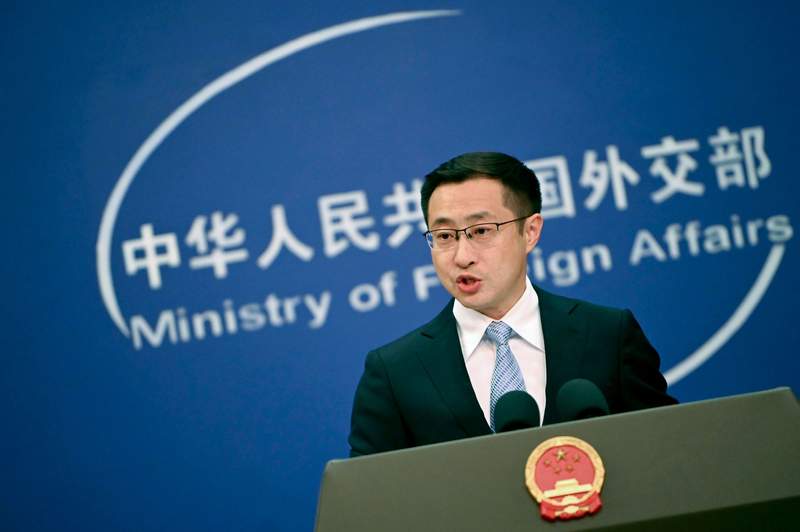
It’s the kind of insinuation that ripples through every embassy hallway — and every stock market, setting nerves on edge. And China? They’ve made their position pretty clear, publicly dismissing the claim as nothing but (Awaiting official quote) in no uncertain terms. You get the picture: firm denials, perhaps even a bit of outrage, served up with typical diplomatic decorum. But behind those statements, there’s a serious escalation happening— a battle of narratives that makes diplomacy an even trickier dance than usual.
But how do we square this with China’s oft-stated position of neutrality? Or its long-standing economic ties with nations like Pakistan, which itself grapples with balancing alliances amidst great power competition? The EU’s allegations, vague as some may be, suggest a deeper engagement than what Beijing publicly projects. And frankly, this isn’t just about Europe or Ukraine. This stuff complicates everything.
Think about it for a second. If such training were proven, it’d dramatically alter how the world, especially the Western bloc, views China’s role. It would transform a delicate balancing act into something far more brazen, a direct challenge to the global order those nations are trying so desperately to uphold. But that’s a big ‘if’. And these claims, they don’t exactly come with a fact sheet attached for public consumption, do they? It’s more of a whispers-turned-shouts situation right now.
China’s Commerce Ministry reported its trade with Russia swelled by an eye-watering 26.3% in 2023, reaching a record $240.1 billion. That data point, sourced from China’s General Administration of Customs, signals a bond — an economic one, anyway — that keeps tightening despite Western sanctions. Critics, especially from Brussels, see this flourishing trade as more than just business; they see it as life support for Moscow’s war machine. But denying troop training? That’s a different caliber of denial, isn’t it? It suggests a specific kind of line Beijing knows not to cross, at least publicly.
Meanwhile, the rhetoric just escalates. EU diplomats are apparently quite concerned by (Awaiting official quote), according to folks speaking off the record, but when pressed for details, specifics remain annoyingly sparse. They don’t want to show their hand, I suppose. And because they’re not explicitly detailing how they know this, the denials from the Chinese side carry a bit more weight for those inclined to believe them.
These accusations land amidst already strained EU-China relations, especially concerning trade imbalances and Beijing’s expanding influence globally. From critical minerals to manufacturing, the economic ties are complex, almost symbiotic— you can’t just cut them without feeling a real pinch. It’s a sticky web, isn’t it? Every little snag pulls hard.
For nations in South Asia and the broader Muslim world, particularly places like Pakistan, these kinds of accusations against China are watched very carefully. Pakistan maintains deep strategic — and economic links with China, an all-weather friendship, as they often say. So, any perceived deepening of China’s direct involvement in conflicts like Ukraine — especially against the West — forces Islamabad to consider its own foreign policy balancing act. Are these just weaponized narratives or substantive shifts? The distinction matters a great deal.
And let’s be frank: the timing is no accident. This accusation serves a purpose, whether it’s grounded in hard intelligence or calculated diplomacy. It pushes Beijing to reaffirm its non-belligerent stance, or risk further alienating crucial trading partners. Or perhaps it’s a test, seeing how China reacts, how loudly it denies, — and what justifications it offers. Because in this high-stakes game, every single word — every denial, every hint — is analyzed and dissected.
What This Means
These accusations, denied vehemently by China, aren’t just noise; they’re cracks forming in the already fragile façade of international diplomacy. Economically, even unproven allegations can stir hesitancy among European businesses that trade with China, leading to calls for de-risking and supply chain diversification— a real headache for Beijing’s export-driven economy. And politically, it’s about China’s global credibility. It tries to portray itself as a responsible great power, but direct military assistance to an aggressor state, even if denied, chips away at that image, particularly in the Global South.
For South Asian nations, this presents a delicate tightrope walk. They’re often beneficiaries of Chinese investment, Belt — and Road Initiative projects for instance. If Beijing’s relations with the West sour further over issues like Ukraine, these countries could find themselves under increased pressure to pick sides, complicating their own efforts to maintain strategic autonomy. It’s a potential lose-lose. Pakistan, already grappling with its own structural economic challenges, simply doesn’t need more geopolitical turbulence complicating its partnerships. This episode isn’t merely about an allegation and a denial; it’s a test of the multipolar world’s nascent stability, with global consequences waiting in the wings. Everyone’s watching, wondering who believes whom, — and what comes next.