

England’s World Cup Journey Boosts UK Pubs, Shops, and Restaurants
England's World Cup campaign led to increased spending in UK pubs, shops, and restaurants. Discover the economic impact of five weeks of football.

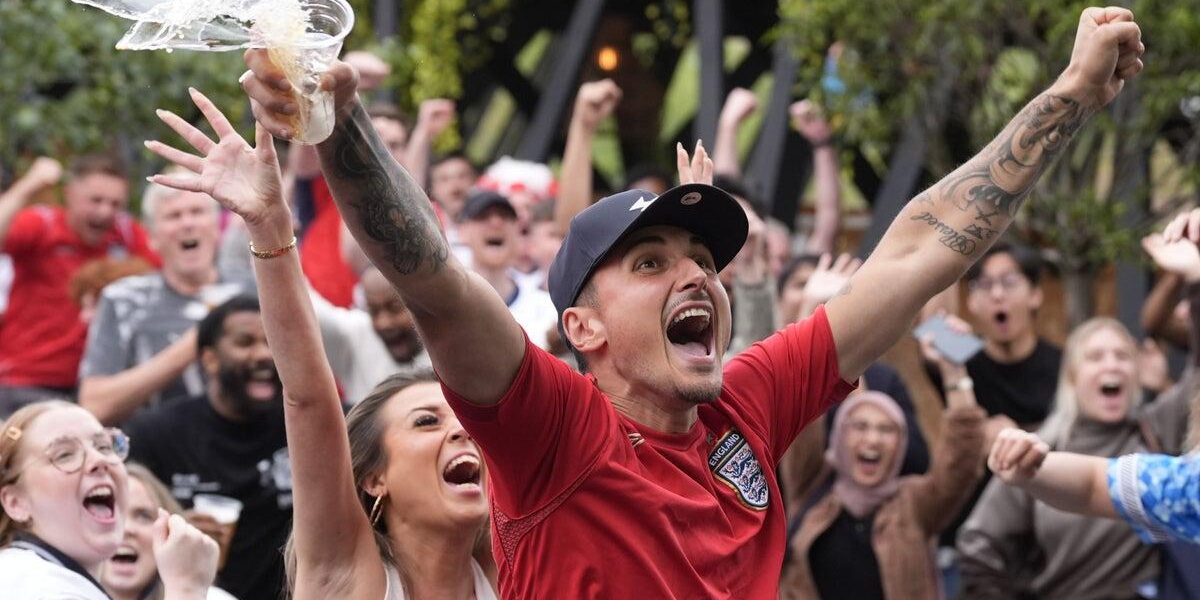
POLICY WIRE — London, UK — Despite England’s failure to reach the World Cup final, the nation’s pubs, supermarkets, and takeaways experienced a significant economic boost. The financial records reveal how the five-week tournament altered the country’s eating, drinking, and spending patterns.
Pubs across the UK saw a marked increase in foot traffic — and sales. Many establishments reported higher-than-usual numbers, attributing the surge to fans gathering to watch matches. “The World Cup brought in more customers than we’ve seen in years,” said a pub owner in Birmingham.
Supermarkets also benefited from the football frenzy. Sales of food and beverages spiked, particularly items commonly consumed during matches such as snacks, soft drinks, and beer. A major supermarket chain reported a 15% increase in sales during the tournament period compared to the same period the previous year.
Takeaway services witnessed a similar trend. With fans preferring to watch matches at home, orders for convenience foods surged. One popular takeaway service noted a 20% rise in orders on match days.
The increased spending was not limited to food — and drink. Retailers saw a boost in sales of football-related merchandise, including jerseys, scarves, — and flags. This surge in demand provided a much-needed uplift for the retail sector, which had been struggling with declining foot traffic.
Economists suggest that the World Cup’s impact on consumer spending could have longer-term benefits for the UK economy. “Major sporting events like the World Cup can create a ripple effect, stimulating various sectors of the economy,” said Dr. Emily Carter, an economist at the University of London.
However, the boost was not universal. Some smaller businesses reported minimal impact, suggesting that the benefits were more pronounced for larger chains and established venues. “We saw a slight increase, but it wasn’t enough to make a significant difference,” said a small shop owner in a rural area.
The data underscores the powerful influence of major sporting events on consumer behavior — and economic activity. As England prepares for future tournaments, businesses are likely to take note of these trends and adjust their strategies accordingly.
Reporting by Policy-Wire (PW)