


Azure Depths, Troubled Waters: Canada’s Remote Lakes Become New Front in Conservation Battle
POLICY WIRE — Victoria, Canada — Forget the placid, shimmering surface. Beneath the crystal-clear waters of British Columbia’s most remote mountain lakes, a geopolitical current runs deep—a complex...

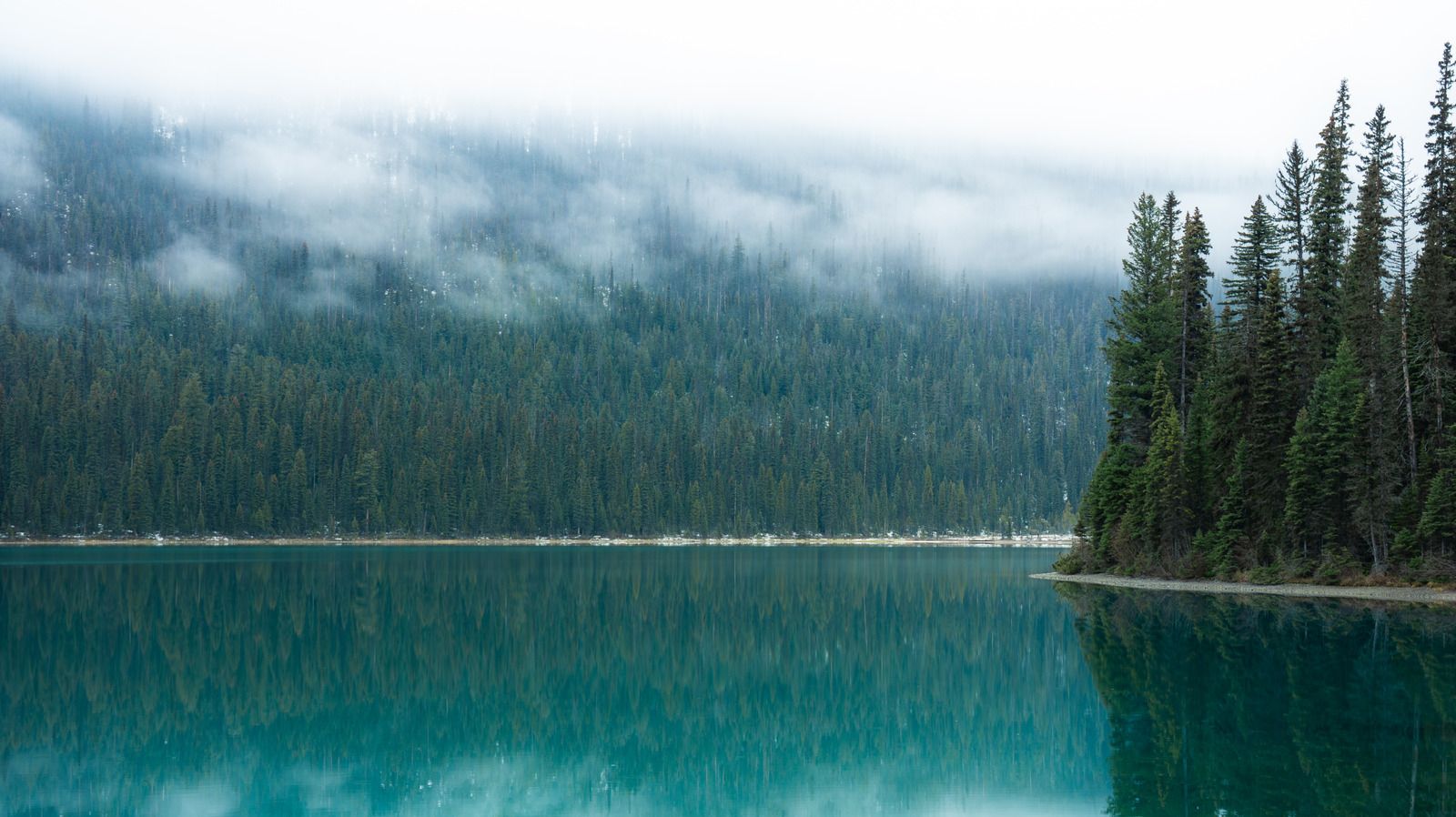
POLICY WIRE — Victoria, Canada — Forget the placid, shimmering surface. Beneath the crystal-clear waters of British Columbia’s most remote mountain lakes, a geopolitical current runs deep—a complex struggle over resource allocation, Indigenous sovereignty, and the very definition of ‘paradise’ in an era of relentless human encroachment. It’s not merely about swimming anymore; it’s about control.
For decades, these secluded alpine jewels, often accessible only by arduous trek or floatplane, represented an almost archaic ideal: nature untamed, untouched. Now, they’ve become potent symbols in a province grappling with its dual identity as a global tourism magnet and a custodian of vast, fragile ecosystems. The provincial government, ever eager to brandish B.C. as a beacon of natural splendor, finds itself navigating an increasingly fraught landscape where conservationists, Indigenous communities, and developers — (each with their own compelling narrative) — vie for dominion.
And the stakes? They’re prodigious. The value of these pristine environments, once seen as limitless, is now being meticulously calculated, weighed against the immediate gratification of tourist dollars and the long-term imperative of ecological preservation. It’s a classic Canadian paradox: immense natural wealth, yet perpetual agonizing over how best to manage it. This isn’t just a localized spat; it’s a microcosm of global pressures.
“This pristine wilderness isn’t just a global draw; it’s an economic engine for countless rural communities,” shot back British Columbia’s Minister of Tourism, Arts, Culture and Sport, Lana Dale, during a recent press briefing. “We’re steadfast in our commitment to sustainable development, balancing rigorous conservation efforts with the legitimate livelihoods our regions depend on.” Her tone, while confident, couldn’t entirely mask the underlying tension.
Still, for the Indigenous peoples whose ancestral territories encompass these waters, the narrative reads differently. “They speak of ‘paradise,’ but for us, it’s home, a sacred trust passed down through generations,” countered Chief Agnes Tallio of the Nuxalk Nation, whose traditional lands span significant portions of B.C.’s central coast and interior. “Development, even ‘sustainable’ development, too often means desecration, and our voices, our traditional knowledge—they’re consistently relegated to footnotes in their grand plans.”
It’s this dissonance that animates the policy debate. The provincial government’s recent push to streamline permits for eco-tourism operators, for instance, has been met with both applause from industry and sharp rebukes from environmental groups who contend that even low-impact tourism can cumulatively degrade delicate habitats. Data from Destination BC indicates that the province saw an increase of 2.6 million overnight visitors in 2023 alone, a figure that, while boosting the provincial coffers, also exacerbates the pressure on its wild spaces.
Behind the headlines of picturesque vistas lies a deeper, more troubling question: who benefits from the commodification of nature? It’s a question familiar to nations far beyond Canada’s borders. Consider the struggles in South Asia, where magnificent, albeit increasingly imperiled, mountain ranges like the Himalayas face similar pressures from unchecked tourism, hydropower projects, and mineral extraction. The environmental degradation and loss of traditional ways of life seen in these regions—sometimes exacerbated by unstable governance, as detailed in reports like Afghanistan’s Measurable Decline Under Taliban Rule—underscore a universal dilemma: how does a society reconcile economic aspiration with ecological stewardship?
Canada, with its vast tracts of wilderness, often considers itself immune to such severe pressures. But the escalating interest in its remote locales, coupled with an insatiable global demand for authentic ‘wilderness experiences,’ suggests otherwise. It’s not just about a specific lake; it’s about the philosophy governing entire landscapes.
What This Means
At its core, the unfolding narrative around British Columbia’s pristine lakes signals a critical inflection point for Canadian environmental policy. The seemingly innocuous pursuit of outdoor recreation has morphed into a significant economic and political force, compelling governments to choose between rapid revenue generation and the glacial pace of genuine conservation. Economically, unrestricted access and development could provide short-term boons, but at the irreversible cost of ecosystem services—clean water, biodiversity, and carbon sequestration—that underpin long-term prosperity. Politically, the issue galvanizes Indigenous communities, reinforcing their calls for self-determination and recognition of their inherent rights over traditional territories. Should the provincial government continue to prioritize economic growth without genuinely integrating Indigenous governance models, it risks not only ecological catastrophe but also protracted legal battles and deep social divisions. The pristine lake, then, becomes a crucible for Canada’s commitment to its own foundational values of reconciliation and environmental responsibility, a mirror reflecting challenges far beyond its frosty shores.