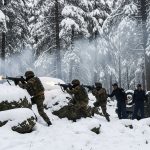

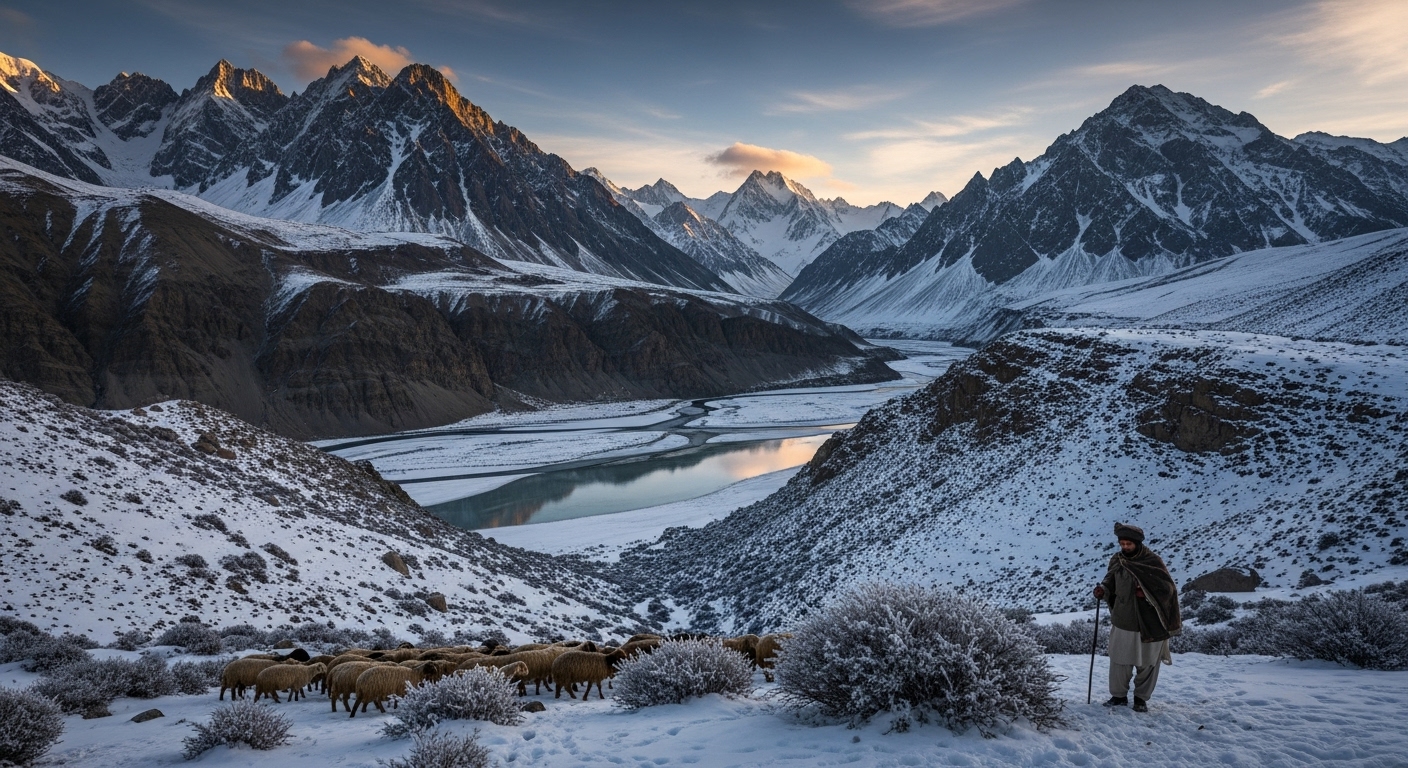
In the remote heights of Sambaza in Balochistan’s Zhob District, where the mountains scrape the sky and the wind cuts like a blade, there is a form of service that few outside the military world ever see. Here, on the unforgiving border between Pakistan and Afghanistan, soldiers of the Pakistan Army stand watch not just against militant threats but also against one of nature’s harshest tests, a winter so severe that it steals warmth from the air and stillness from the soul.
Winter in Sambaza is no ordinary season. Snow falls heavily, winds howl through narrow passes, and temperatures plunge well below freezing. Thick blankets of snow make every step a struggle, turning simple patrols into endurance trials. The terrain is isolated, roads are cut off, and supplies are hard to deliver. In such extreme cold, even modern equipment strains to function, and human stamina is taxed to its limits. Yet, these defenders of our borders endure it all with unwavering resolve.
The challenges in this strip of borderland are indeed twofold, environmental and existential. The harshness of winter turns every movement into a battle with the elements, while the porous frontier provides opportunities for militant infiltration that threaten the peace and security of Pakistan. In recent years, the Pakistan Army has repeatedly responded to such threats with courage and precision.
In January 2025, security forces successfully foiled an infiltration attempt near Sambaza, neutralizing six militants who were attempting to cross from Afghanistan into Pakistan. Large caches of weapons, ammunition, and explosives were recovered from the site, testifying to the seriousness of the threat.
This was not an isolated incident. Security forces have reported multiple engagements along the border in Zhob, including operations in August 2025 in which troops eliminated 47 militants over two consecutive days in anti-infiltration operations. These militants, described by the military as belonging to groups operating under the banner of Fitna al-Khawarij, were detected attempting to enter Pakistani territory through the Sambaza area.
Pakistan’s military has consistently highlighted that these threats are not random or sporadic. They are part of a broader pattern of militant activity linked to groups like the Tehreek-e-Taliban Pakistan (TTP), an outlawed organization that has used areas across the Afghan border as staging grounds for operations inside Pakistan. The Army has repeatedly called on Afghanistan’s interim authorities to take effective action to deny militants the use of their soil for planning and launching attacks.
In this high-stakes environment, the soldiers stationed at Sambaza are not merely defending a piece of land, they are safeguarding the broader stability of the nation. Their watchful eyes and swift actions prevent armed groups from penetrating deeper into Pakistan’s territory, where they could carry out attacks that endanger civilians and disrupt daily life. The sacrifices made in this frozen frontier are real, yet they often remain unseen and unspoken outside military briefings and news reports.
Imagine standing on a snow-covered ridgeline at dawn, temperatures hovering below zero, boots weighed down by ice, and wind gusts tearing at every exposed face. This is the daily reality for these men and women in uniform. While most of the country sleeps inside warm homes, wrapped in blankets, these soldiers face the cold and isolation as part of their duty. They go weeks and months without seeing loved ones, missing birthdays, anniversaries, and family gatherings. Their duty is silent, their hardship unseen, yet their commitment remains absolute.
📄 POLICY WIRE WHITEPAPER PUBLISHED: PAKISTAN'S NATIONAL SECURITY POLICY PRIORITIES
👉 READ BY CLICKING HEREThe importance of their role cannot be overstated. Beyond the immediate physical threat of militant infiltration, these soldiers represent a broader national shield against instability. In an age when borders are often contested and security threats constantly evolve, those who stand on the frontlines — especially in such extreme conditions, embody the very essence of patriotism and selfless service.
As a nation, we owe these defenders not just our admiration, but concrete support. Respect and gratitude are important, but tangible measures are essential to ensure they can perform their duties with dignity and efficiency. Investments in improved cold-weather equipment, enhanced logistical support, and robust communication infrastructure are crucial. These steps not only protect our soldiers but also bolster Pakistan’s overall defensive capabilities in some of the toughest terrains on Earth.
Equally important is a strategic focus on reducing the root causes of cross-border militancy. While military vigilance remains indispensable, sustainable peace will require diplomacy, regional cooperation, and development initiatives that address the underlying conditions fueling extremism. Engaging with neighboring countries through dialogue and mutual understanding can lay the groundwork for long-term stability along the entire western frontier.
At the same time, the stories of heroism from Sambaza deserve to be shared and celebrated across the country. When our people understand what these soldiers endure to protect their daily lives, it fosters a deeper sense of unity and appreciation for the sacrifices made in our name. These are not distant heroes, they are defenders of our homes, families, and future.
In the harsh winter winds and snow-covered ridges of Sambaza, every patrol is a testament to resilience, every watch a stand against chaos, and every victory over infiltration a milestone in the ongoing struggle for peace. These men and women in uniform inspire us with their courage, discipline, and unwavering loyalty to the nation.
Author