


Amidst Policy Void, New Mexico’s Canine Catwalk Signals Community Resilience
ALBUQUERQUE, N.M. — The glitterati, or at least a notable contingent of them, will descend upon the Rail Yards this July 25th. They aren’t there to toast a newly minted senator or lament legislative...

ALBUQUERQUE, N.M. — The glitterati, or at least a notable contingent of them, will descend upon the Rail Yards this July 25th. They aren’t there to toast a newly minted senator or lament legislative gridlock; no, this particular assemblage, festooned in their most audacious, promises something rather different. It’s an event where community spirit, fiscal ingenuity, and frankly, canine couture, collide head-on, offering a wry commentary on where, exactly, society’s safety nets often find their weakest links.
Because while politicians debate grand strategies and allocate billions for infrastructure, the very immediate and often messy needs of sentient beings frequently fall to localized, almost accidental, networks of compassion. Here in New Mexico, these networks are getting creative—even theatrical—to simply keep things running. Consider Pitties and Kitties of New Mexico, a volunteer-driven operation confronting the direct consequences of broader socio-economic pressures every single day. They’re not waiting for a bill to pass, are they?
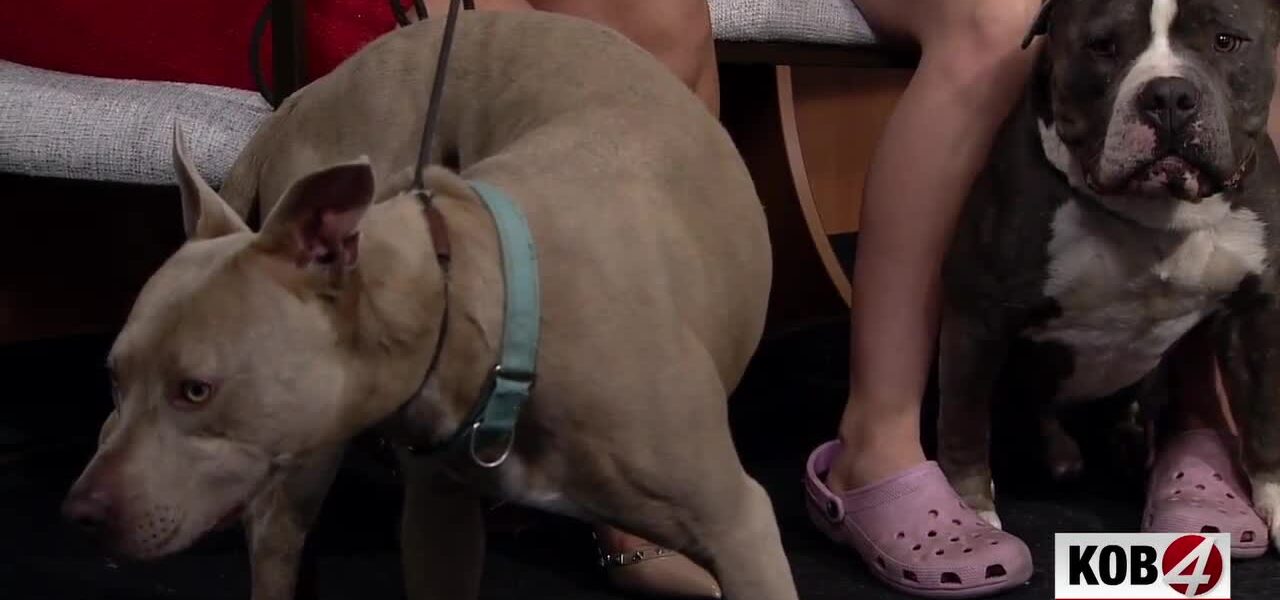
It’s a gritty, day-to-day battle fought with scarce resources — and an abundance of elbow grease. And it highlights a fascinating phenomenon: when formal systems strain or outright fail, informal economies of empathy spontaneously erupt. That’s what’s happening with Lucy, Bobo, Baxter, and Dion, four local celebrities-in-waiting, each with their own complex personal histories. Take Bobo, for instance. He is about five years old. Bobo was evidently feeling the weight of the world, probably the local bureaucracy. As one official put it, speaking of his origins, [QUOTE_PLACEHOLDER] But of course, who wouldn’t be after a stint in municipal limbo?
Lucy’s tale isn’t less poignant. “Lucy is also from the city shelter. We’ve had her since about April. She is painfully shy but once you get to know her, she’s absolutely the sweetest girl. She is dog-friendly, she’s can be a little difficult to introduce other dogs but when she knows them she absolutely loves them.” She currently resides with a few feline companions (a testament to the organization’s namesake, clearly). Her story—that of quiet vulnerability blossoming under patient care—serves as a miniature parable for the often-overlooked resilience nurtured by such grassroots outfits.
But how do these organizations sustain themselves when the state budgets never seem to stretch quite far enough? With a disco-themed dog fashion show, naturally. And it isn’t some fly-by-night operation, oh no. “It’s the Disco Doggy Fashion Show, it’s a bunch of sustainable fashion designers and then a bunch of adoptable dogs. It’s not just our rescue. There are a few other rescues going. The dogs will be walking the runway with the fashion models, so it’ll be equal parts awesome, equal parts chaos,” one organizer gleefully noted. Tickets are available now (here online) but they’re also selling fast.
Because that’s what happens, doesn’t it? When a formal framework is insufficient, society improvises. The ASPCA reports that approximately 6.3 million companion animals enter U.S. animal shelters nationwide every year. That’s a staggering figure, pushing organizations like Pitties — and Kitties to their absolute limits. It’s a stark reminder that even in seemingly mundane animal welfare, policy gaps have very real, furry consequences. These aren’t just pets; they’re proxies for every marginal population reliant on the kindness of strangers, or rather, the grit of organized volunteers, when state apparatus proves too slow, too cumbersome, or too disengaged.
And these pressures, while manifesting differently, echo across diverse geographies, particularly in urban centers of developing nations where infrastructure for social services is often perpetually strained. Consider Pakistan, for instance, where bustling cities like Karachi see NGOs and community-led initiatives routinely step into the breaches of public health, education, and, yes, even animal welfare, operating on shoestring budgets with sheer dedication. Their methods might differ—less disco, perhaps more direct outreach—but the underlying dynamic of citizen-led intervention when systemic support falters remains remarkably consistent, from Albuquerque to Lahore. This phenomenon—the collective, often spontaneous, response to neglected needs—reflects a certain universal truth about human societies under pressure. You want to see the future of communal problem-solving? Sometimes, it walks the runway in a sequined vest, tail wagging.
What This Means
This Albuquerque canine catwalk isn’t just a quirky local story; it’s a policy litmus test, a subtle indicator of governance effectiveness at its lowest common denominator. When animal shelters rely on disco-themed fundraisers and sustainable fashion designers to manage a burgeoning population of relinquished pets, it points to a systemic failure in broader social welfare programming. It’s about more than just dogs and cats; it’s a barometer for community well-being, reflecting economic strain on families who can no longer afford pet care (or worse, adequate housing that accepts animals), and the subsequent burden shifted to private charity. For years now, the issues surrounding housing affordability, job security, and accessible healthcare have inadvertently — but quite definitively — reshaped the landscape of animal shelters, transforming them into bellwethers of underlying societal stress.
The ingenuity of groups like Pitties and Kitties isn’t just commendable; it’s a necessity born from a void where cohesive state or federal policy should perhaps reside. Such grassroots resilience, which mirrors dynamics often observed in areas contending with significant global cultural shifts, highlights the perpetual challenge governments face in addressing all community needs. It forces a conversation about the actual cost of neglect. Are we truly valuing community organizations and the essential services they provide, especially those that appear peripheral at first glance? the global implications are considerable. Countries like Pakistan, with vast informal economies and a robust philanthropic sector, understand this interplay acutely. Their charitable endeavors frequently address gaps where government services are stretched thin, or simply non-existent. These informal structures, whether in Albuquerque or Peshawar, become the defacto, albeit often under-resourced, implementers of critical social policy, acting as stop-gap measures—sometimes a temporary relief, sometimes merely a symbolic gesture—in the larger theater of public welfare.