


America’s Unseen Companions: How Local Shelters Confront a Shifting Economy of Affection
POLICY WIRE — Albuquerque, N.M. — It’s a quietly unsettling trend, playing out in fluorescent-lit kennels and on digital adoption portals across America. Forget the big headlines about market...

POLICY WIRE — Albuquerque, N.M. — It’s a quietly unsettling trend, playing out in fluorescent-lit kennels and on digital adoption portals across America. Forget the big headlines about market fluctuations or geopolitical skirmishes for a moment. This story? It’s a gut check, a reflection of domestic life and its discontents, visible through the eyes of countless furry, feathered, or scaled beings waiting for a home. We’re talking about pets here, the ones left behind, the silent casualties of shifting human fortunes — and priorities.
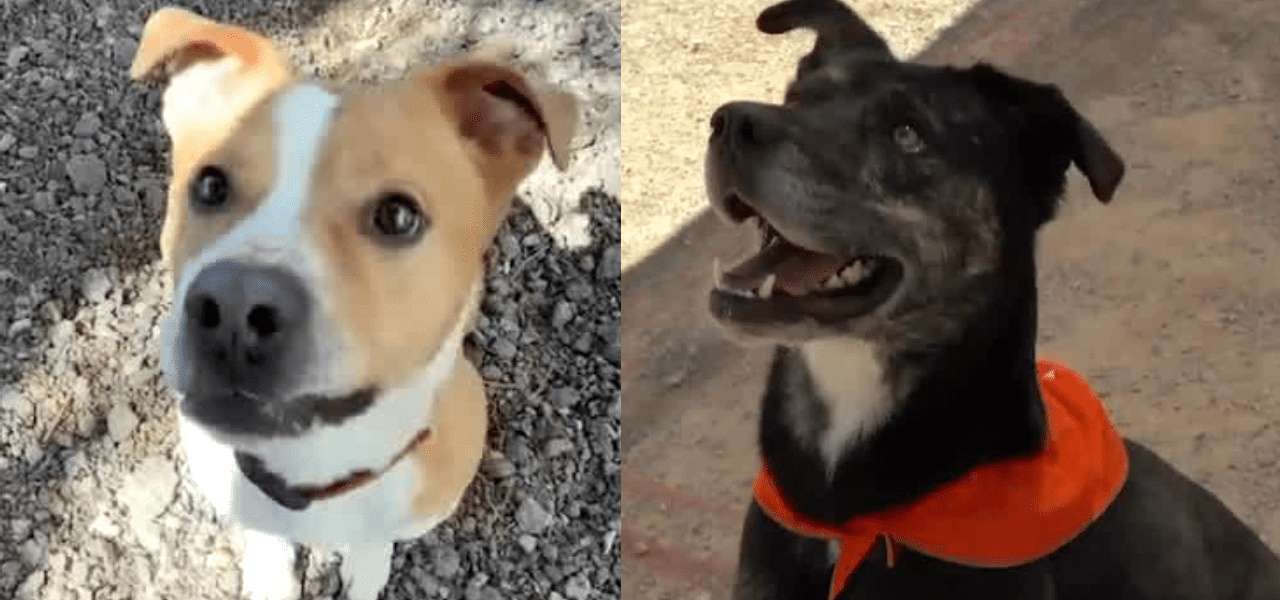
It’s not just a matter of sad eyes — and wagging tails; there’s a real, tangible weight to it. The Humane Society of Lincoln County, for instance, is getting ready for its annual Fur Ball — a nice-sounding event, sure, but also a stark reminder of the financial tightrope these organizations walk. Take Sundance Kid, a four-year-old boxer-lab mix with a knack for melting hearts if you bring him treats. He’s sociable, potty-trained, good with kids — and cats (but prefers female dogs, go figure). But he’s still there. Just like Cerberus, a well-mannered sweetheart at Bernalillo County Animal Care, who’s logged more than 100 days in his kennel. That’s a long stretch for a dog who loves to explore and cuddle. You can see their photos, and submit your own, if you visit the KOB.com link here.
And these aren’t isolated cases. The economic currents hitting families — everything from the groceries to the gas pump — they’re washing up right here, at the shelter door. When folks can’t afford veterinary bills or even decent kibble, companion animals often get the short end of the stick. It’s a rough spot to be in, both for the pets — and for the shelters trying to hold it all together.
“We’re seeing folks struggling more than ever to keep their pets, or to justify bringing a new one into the fold when their own budgets are stretched to the limit,” remarks Martha Greene, Director of the Lincoln County Humane Society, her voice laced with an exhaustion only too familiar to those in her line of work. “It isn’t about love, not usually anyway. It’s about stark math.” She’s not wrong. Every surrendered animal, every long-stay resident, adds another notch to the operational costs—food, medical care, staffing. But hey, they can’t just turn them away.
This isn’t just a New Mexico thing either. Go almost anywhere—from the crowded alleyways of Karachi to the sterile kennels of Northern Europe—and you’ll find similar struggles. The concept of animal welfare, its definitions — and demands, might vary culturally. Yet, the human obligation to creatures we’ve domesticated, or at least allowed into our orbit, remains a prickly, often unfulfilled one. Many developing nations, for instance, grapple with staggering numbers of stray animals, a direct consequence of a lack of comprehensive spay/neuter programs and adequate shelter infrastructure. Rising global commodity prices don’t make it any easier to address, do they?
Back in the U.S., data shows the strain. According to the ASPCA, approximately 6.3 million companion animals enter U.S. animal shelters nationwide every year. That’s a staggering figure, particularly when juxtaposed against an economy that’s been less than predictable for a good chunk of the populace. Because adoption numbers haven’t kept pace. Sometimes, shelters just run out of space. They simply do.
📄 POLICY WIRE WHITEPAPER PUBLISHED: PAKISTAN'S NATIONAL SECURITY POLICY PRIORITIES
👉 READ BY CLICKING HERE“Our focus is always on adoption, on getting these wonderful animals into loving homes,” states Miguel Rodriguez, spokesperson for Bernalillo County Animal Care. “But we’re also realists. We can’t just keep bringing them in without the community stepping up. It’s a shared responsibility, after all.” Rodriguez isn’t just saying nice things. He’s outlining the uncomfortable truth that while the problem lands at the shelter’s doorstep, the solution lies somewhere far wider, across entire neighborhoods and household budgets.
Consider the behavioral shifts at play too. During the lockdowns, pet adoption spiked—a craving for companionship, something reliable in unreliable times. Now, as people head back to offices or grapple with ‘return-to-office’ mandates, some of those pandemic pets are finding themselves suddenly without their humans for long stretches, leading to anxiety or behavioral issues. But even those well-adjusted critters like Cerberus or Sundance Kid are facing unprecedented waiting times, proving it isn’t just behavioral challenges; it’s a systemic challenge.
What This Means
This isn’t just about feeling sorry for a couple of lonely dogs in New Mexico. It’s a bellwether, folks. It signals something about the broader American condition. The persistent overcrowding in animal shelters reflects deeper cracks in the social and economic fabric—inflationary pressures hitting discretionary spending, stagnant wages making pet care a luxury rather than a given, and perhaps a subtle unraveling of community bonds post-pandemic that leaves more animals, and people, isolated. Policy-wise, it pushes local governments to either expand funding for animal services, which is tough given tight municipal budgets, or to embrace more aggressive public health campaigns for spay/neuter programs. But, you know, even those programs need funding. Economically, a glut of unadopted animals means higher costs for local taxpayers, who ultimately subsidize these shelters through taxes and donations. Socially, it highlights a curious dichotomy: America’s a nation that professes a deep love for its pets, yet our collective action often fails to meet that sentiment. It forces a hard look at who bears the cost—financially and emotionally—when individual choices collide with collective capacity. These aren’t just animals awaiting a chance; they’re furry, four-legged economic indicators, yapping and meowing about the state of our shared well-being. It’s a small, sad microcosm, really.
This challenge—managing the welfare of abandoned or surrendered animals—isn’t unique to Albuquerque, or even to the Western world. Nations like Pakistan, with its burgeoning urban populations and rapidly changing lifestyles, are wrestling with similar, if often more severe, issues of animal care in a sprawling, unplanned urban environment. What’s unfolding in New Mexico’s quiet corners is just a milder manifestation of a far more intricate, global balancing act between human aspiration and the responsibility we owe to the creatures that share our planet. And sometimes, you know, it’s not an easy balance to strike.