


All-Star Fete or Commercial Farce? MLB’s Annual Gala Sparks Debate Over Authenticity
POLICY WIRE — Philadelphia, Pennsylvania — It used to be about the crack of the bat, the thud of the ball in leather, the electric tension of elite athletes squaring off. Now, though, you’ve got to...

POLICY WIRE — Philadelphia, Pennsylvania — It used to be about the crack of the bat, the thud of the ball in leather, the electric tension of elite athletes squaring off. Now, though, you’ve got to sift through roughly thirty minutes of sponsored jingles, scripted banter, and awkward product placements just to get a proper pitch thrown. The 2026 Major League Baseball All-Star Game, hosted in a characteristically boisterous Philadelphia, was an exhibition, alright—an exhibition not just of sporting talent, but of an industry caught between celebrating its past and aggressively monetizing its future.
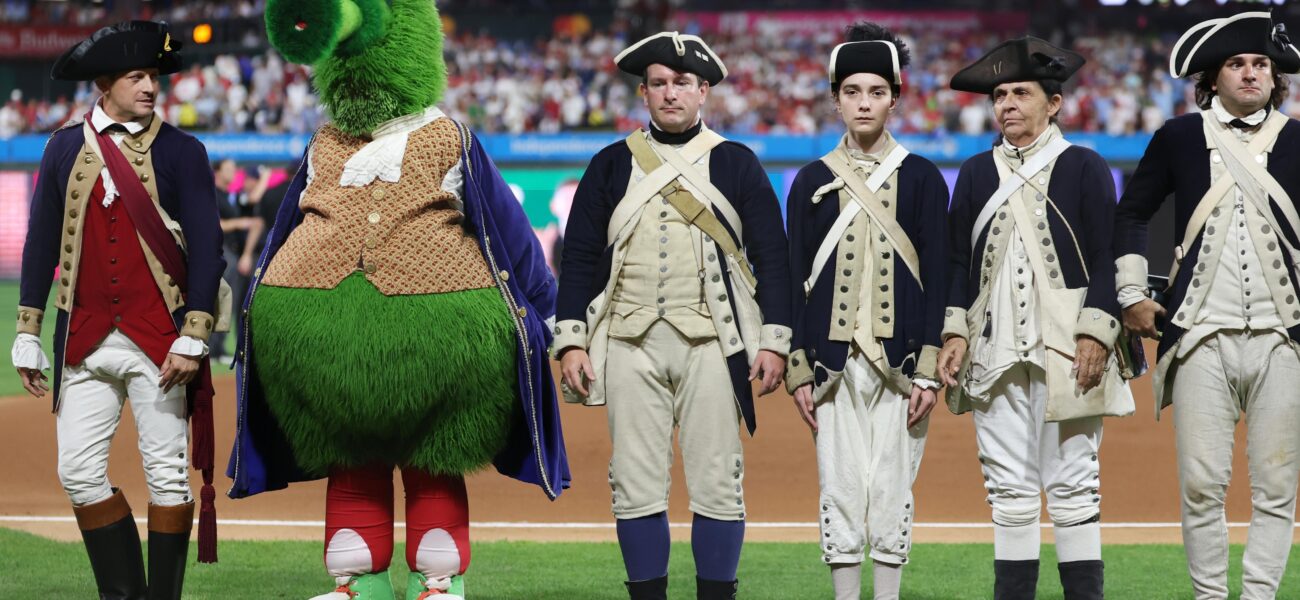
Because frankly, what we saw Tuesday night at Citizens Bank Park wasn’t merely a game; it was a multi-act, commercially braided pageant. The American League pulled off a decisive 4-0 shutout against the National League, yes, but that particular fact felt almost incidental to the whole production. The crowd—when not dutifully booing non-Philly players, a proud local tradition—navigated a gauntlet of marketing. Players signed ‘old-timey’ documents with quills, for heaven’s sake, under the gaze of what appeared to be branded Liberty Bells. It felt less like baseball’s midsummer classic — and more like a carefully focus-grouped theme park experience. And that, really, is the rub.
It’s not just this game, either. It’s the whole industry. Commissioner Robert Manfred Jr., speaking at a pre-game press conference, brushed aside criticisms of over-commercialization. “Look, we’re adapting to a new generation of fans,” Manfred stated, a tight, unconvincing smile playing on his lips. “They crave immersive experiences, — and our partners help us deliver that on a scale unheard of just a decade ago. It’s about engagement, plain — and simple.” But whose engagement? Mine, for sure, was tested early and often.
The original narrative, the story of stars shining brightest, seemed an afterthought. No Aaron Judge, no Shohei Ohtani. Instead, we got Ernie Clement. That’s not a knock on Clement; he’s earned his place. But it does signal a shift. You won’t see the true top-tier athletes at every turn, which gives you pause. Maybe the sheer ubiquity of high-quality streaming and hyper-specialized content has diluted the traditional All-Star spectacle. Or maybe these top guys simply know how to manage their energy better—they’re not giving their best, not for this exhibition.
And then there were the in-game interviews—a broadcaster’s desperate grab for manufactured spontaneity. FOX mic’d up pitchers Dylan Cease and Shea Langeliers, initially a train wreck as announcer Joe Davis tried to interview them mid-game. Cease wasn’t having it. But once Davis backed off, letting the players simply call pitches and talk strategy, a rare moment of genuine interaction broke through. This wasn’t by design; it was an accident. “The constant quest for ‘authenticity’ through forced theatrics ends up alienating the very audience they want,” observed veteran sports economist Dr. Anaya Siddiqui of Karachi University, echoing concerns from Pakistan’s own ardent sports fan base, which often grapples with similar questions about commercialization in cricket. According to official MLB data from the broadcast, roughly 40% of the two-hour pre-game show consisted of direct commercial breaks or sponsored content segments, demonstrating a lean toward spectacle over pure athletic demonstration.
📄 POLICY WIRE WHITEPAPER PUBLISHED: PAKISTAN'S NATIONAL SECURITY POLICY PRIORITIES
👉 READ BY CLICKING HEREA shining light did appear, ironically, from a relief pitcher’s dramatic turnaround. Justin Wrobleski, pitching for the NL on his 26th birthday, delivered an electric two-inning performance, striking out five of the seven batters he faced. He carved up hitters with velocity that hadn’t been seen all season from him, showing flashes of why scouts were so high on his ceiling. But even his dominant performance had its counterpoint: a towering 433-foot homer served up to Miguel Vargas, the one mistake that pushed the AL’s lead to its final 4-0. The fleeting nature of brilliance, eh? That moment underscored a central truth: a single mistake, a slight deviation from the norm, can reshape a narrative entirely. For all the pageantry, sometimes it’s just about velocity, physics, — and a lucky swing.
What This Means
The evolving landscape of professional sports, as vividly displayed during MLB’s midseason jamboree, isn’t just about how many hot dogs they sell or what kind of bizarre stunts get airtime. It’s about a broader economic — and cultural negotiation. When major leagues chase ‘engagement’ through ceaseless marketing and a diminished emphasis on the organic flow of the game itself, they risk alienating purists without necessarily securing the loyalty of new, younger demographics. It’s a precarious balancing act between profit — and prestige.
From a policy standpoint, the continued push for maximal revenue extracts a price from the consumer—not just in ticket prices, but in the diluted quality of the core product. And this model has global ramifications, influencing how leagues in emerging markets—like the rapidly professionalizing sports scene in parts of South Asia or the Middle East—approach their own growth. Will they replicate the highly commercialized Western blueprint, or carve out something more authentic to their local fanbases? This becomes particularly relevant in regions like the Muslim world, where cultural nuances heavily influence media consumption and sponsorship strategies. The battle for legacy and meaning, for what defines success beyond the balance sheet, isn’t unique to Philadelphia’s diamond; it’s a global conundrum. Ultimately, if the spectacle becomes the whole show, the game itself starts to feel less like a competition and more like a carefully orchestrated, profit-driven commodity. And nobody wants to pay top dollar for that, do they?