

Albuquerque’s Economic Crucible: Minimum Wage Fight Unveils Political Bare Knuckles
POLICY WIRE — Albuquerque, N.M. — A council chamber, ostensibly the arena for civic debate, lately feels more like a poorly directed melodrama, especially in Albuquerque this week. Forget...

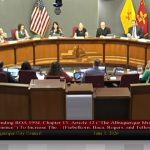
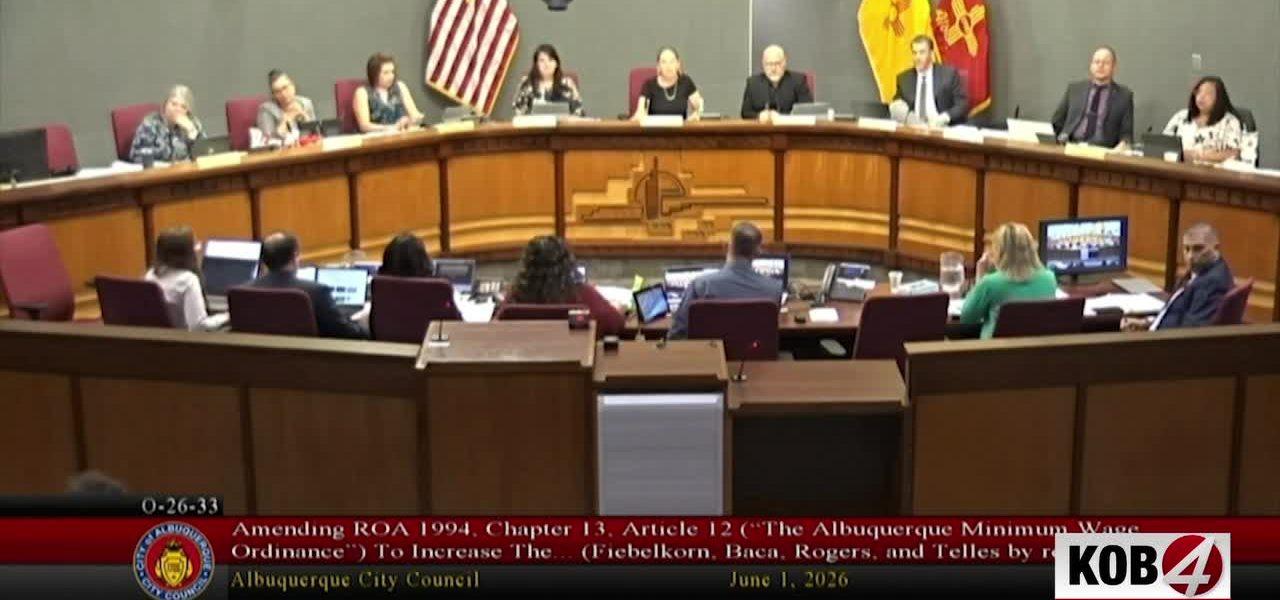
POLICY WIRE — Albuquerque, N.M. — A council chamber, ostensibly the arena for civic debate, lately feels more like a poorly directed melodrama, especially in Albuquerque this week. Forget the dollars for a moment; it’s the frayed nerves and sharp exchanges that tell the real story of economic angst boiling over. The city’s recent battle over hiking its minimum wage from $12 to a proposed $15 an hour wasn’t just policy talk—it became an actual physical ejectment of residents. That’s local politics, 2024 style, where public participation comes with an eviction notice.
It’s not just a budget item for many. For families on the brink, another dollar an hour can mean the difference between keeping the lights on or falling deeper into the chasm of poverty. And because these localized skirmishes often reflect broader systemic issues, they reverberate far beyond New Mexico’s desert landscape. Think of families in Karachi or Lahore, where the breadwinner often relies on remittances from low-wage work overseas. When discussions about fair compensation in a city like Albuquerque get this fraught, it’s a grim reminder of how precarious the economic ladder is globally. [QUOTE_PLACEHOLDER]
The city council meeting Monday devolved into a verbal spat, a raw display of the passions stirred by a few extra dollars an hour. Two individuals found themselves ushered out by security, casualties of what City Council President Klarissa Peña deemed disruptive behavior. It began when one man allegedly ‘ridiculed others’ during public comment. Peña, in what observers might describe as a test of her executive authority, made it crystal clear: “I don’t think we should be ridiculing anyone,” she stated, swiftly adding, “So I’ll just be the one speaking. Adail Rose can you please leave.” A second, then a third, received the same blunt treatment after reportedly failing to address the council president, instead targeting Councilor Dan Lewis. “This is your second warning, so yes, you got a warning earlier, and then yeah, so if you can escort him out,” Peña warned, before delivering the coup de grâce: “This is going to be your third warning, so you’re escorted out, because those are the rules. Okay well they’re,” (her words, not ours). Rules are rules, it seems, even if they occasionally stifle the messy, cathartic roar of public opinion.
Amidst the removals — and procedural wrangling, the meeting’s tenor darkened further. Citizen Thomas Abeyta tossed a digital hand grenade into the proceedings, presenting a screenshot he claimed was an email from Councilor Lewis. This alleged correspondence suggested Lewis was in league with apartment associations, apparently plotting to obstruct the very minimum wage increase under debate. Lewis, playing it cool (or perhaps just stunned), offered no reply in the moment. It leaves one wondering about the whispered alliances in local governance, the kind that might make you think twice about whom exactly your elected officials are serving. These subterranean maneuvers, real or perceived, do little to assuage public mistrust. Instead, they fuel cynicism — and suggest a backroom game of influence. From where we’re sitting, these aren’t isolated incidents. They reflect a broader, more intricate dance of special interests that plays out in government bodies worldwide, from city halls to national assemblies, and often with less transparency.
The proposed hike, ambitious in its jump to $15 an hour, currently sits for a potential rollout in 2027 if it passes as written. But there’s a softer landing in the works. Amendments suggest a phased implementation, doling out the increase over three years, followed by automatic cost-of-living adjustments annually. This measured approach found some hesitant support from the New Mexico Restaurant Association, a powerful lobbying force keenly aware of how every extra dollar impacts the bottom line. Carol Wight, speaking for the association, laid out the industry’s position quite plainly: “If we increase it $1 this year, $1 the year after, and then $1 the next year, that just gives us time to catch up, rather than the $3 all at once,” she argued. Wight also reminded councilors of another inconvenient truth for policymakers: “People to understand that it’s not just people making minimum wage that can’t afford things, it’s also people that give jobs that can’t afford to keep raising their prices,” (a sentiment echoing many business owners’ concerns about economic pressures).
📄 POLICY WIRE WHITEPAPER PUBLISHED: PAKISTAN'S NATIONAL SECURITY POLICY PRIORITIES
👉 READ BY CLICKING HEREIt’s a classic tug-of-war, isn’t it? Workers straining under inflation versus businesses wrestling with rising operational costs. But it’s not just abstract economics. For millions, these decisions impact dinner on the table, school supplies, or whether the rent gets paid. While the federal minimum wage, a paltry $7.25 per hour, applied to only 1.9 percent of all hourly paid workers in 2022, as reported by the U.S. Bureau of Labor Statistics, local battles like Albuquerque’s show how a rise impacts many above that floor. It’s a whole chain reaction. Everyone’s affected.
What This Means
This Albuquerque episode isn’t just local theater; it’s a microcosm of the larger political economy debate consuming nations. Economically, a phased minimum wage hike aims to soothe the jitters of small businesses, offering them a glide path rather than a sudden jolt. But even a phased increase will invariably lead to some level of price inflation as businesses try to maintain margins, shifting some of the cost back to consumers—who, paradoxically, are the very same low-wage earners needing the increase. We’re talking a complicated balancing act here, where no one side wins without the other feeling the pinch. Expect some businesses to reduce staff or automation. It’s inevitable. Politically, the bare-knuckle fighting in the council chamber, especially the alleged backroom dealings via email, chips away at public trust. Voters, whether in New Mexico or half a world away, want to believe their representatives are working in good faith, not striking covert deals with powerful lobbies. These actions erode faith in democratic processes. The optics here are frankly, abysmal. This incident, while confined to a New Mexico city, echoes global contests for influence where economic policy often serves as a proxy battleground for vested interests. What plays out in Albuquerque today, concerning fair wages and corporate sway, is mirrored in different forms across emerging economies, influencing everything from labor mobility to political stability. In nations like Pakistan, for instance, a reliable and just wage system isn’t just about economic numbers; it’s about social cohesion, preventing unrest, and ensuring a basic quality of life for its citizens. Local policies, indeed, carry profound, universal weight.