


Albuquerque’s Animal Welfare: Mowgli’s Tale & Urban Policy
Albuquerque's animal welfare system faces immense challenges. Discover how Mowgli, a three-legged dog, highlights the city's struggle with stray animals, policy, and public compassion.

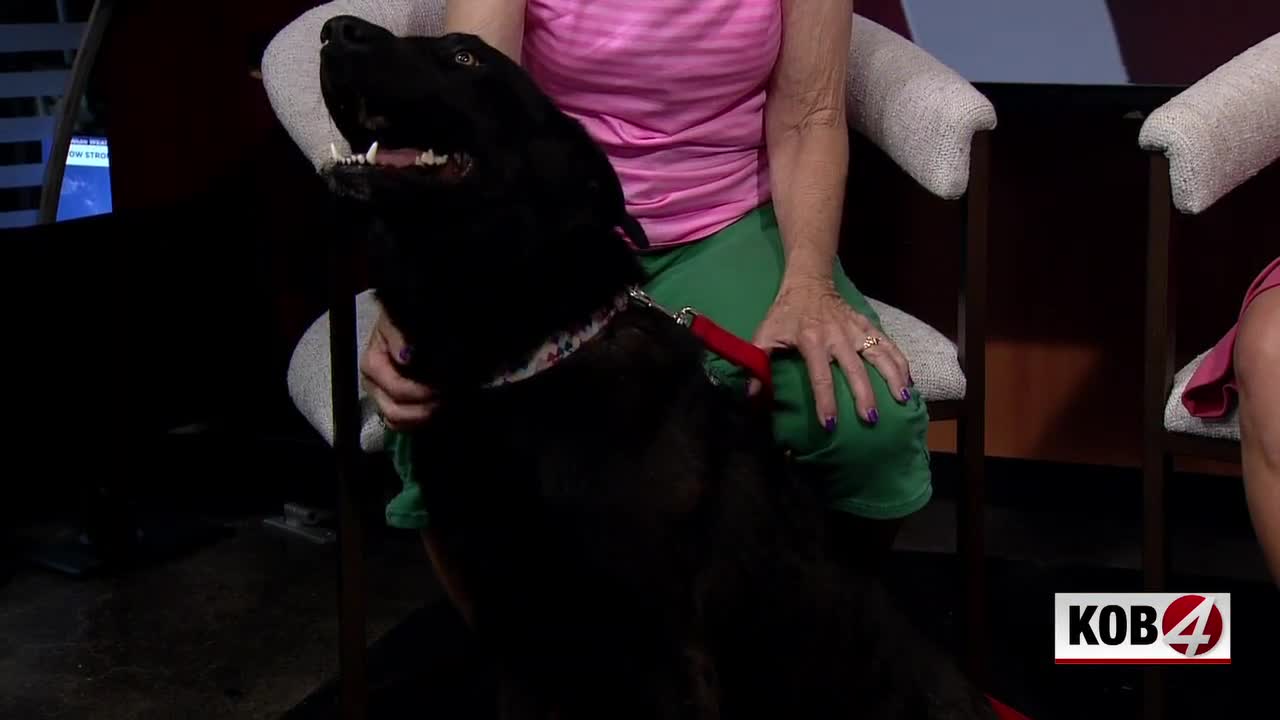
POLICY WIRE — Albuquerque, New Mexico — It’s a tale told countless times on local news, yet rarely does the human-interest fluff genuinely peel back the layers of municipal effort it takes to keep a city’s stray population from becoming an overt urban blight. In Albuquerque, for instance, a canine named Mowgli, currently resting his three legs with the City of Albuquerque’s Animal Welfare Department, represents more than just a pet awaiting adoption. He is, in fact, a small, furry emblem of a taxing bureaucratic commitment to civic responsibility, stretched thin across sprawling neighborhoods.
Mowgli’s entry into the city’s system speaks volumes about the constant, sometimes brutal, interaction between urban expansion and wildlife (or rather, pet life) displacement. Just about a month ago, the five-year-old dog endured a severe vehicle strike—a common occurrence in any bustling metro—that necessitated drastic intervention. [QUOTE_PLACEHOLDER] his back leg was pretty torn up, was unable to save it, so we amputated his leg, [QUOTE_PLACEHOLDER] volunteered Arline Gregoire of the Albuquerque Animal Welfare Department. It’s a sobering detail, delivered with a professional pragmatism that belies the inherent tragedy. Yet, Mowgli’s progress is noted with surprising resilience: [QUOTE_PLACEHOLDER] He’s actually doing quite well with three legs, [QUOTE_PLACEHOLDER] Gregoire observed. This isn’t just about a dog; it’s about the relentless care infrastructure of a modern American city.
But the challenges for the department extend far beyond emergency medical procedures for individual animals. Think about it: every stray, every abandoned pet, becomes a logistical burden—feeding, housing, medical care, and eventually, the elusive search for a [QUOTE_PLACEHOLDER]fur-ever home.[QUOTE_PLACEHOLDER] The city’s Eastside Animal Shelter, a crucial node in this network, currently houses both Mowgli and Pepper, a 10-year-old Jack Russell Terrier mix described as [QUOTE_PLACEHOLDER]a little Energizer bunny.[QUOTE_PLACEHOLDER] At the Westside Animal Shelter, you’ll find Ivary, a year-old Australian Kelpie mix, bursting with an energy only youthful optimism can provide. These animals aren’t just personalities; they’re statistics, each adding to the operational costs and policy headaches faced by municipal administrators.
And these headaches aren’t unique to New Mexico. They echo a global issue, from the teeming stray populations in Karachi’s labyrinthine streets—where NGOs like ACF Animal Rescue and Welfare Trust tirelessly work to sterilize and rehabilitate thousands without direct government aid—to the municipal impound facilities struggling from Denver to Düsseldorf. The difference, perhaps, lies in resources, and cultural perceptions of animal welfare, with many parts of the Muslim world slowly but surely developing organized efforts that mirror, yet often struggle more acutely than, their Western counterparts.
It’s this persistent need for community integration, a willingness to adopt a creature that’s faced hardships, that the City of Albuquerque subtly champions. Mowgli, despite his physical setback, knows sit, down, — and shake. He’s house trained. Pepper, older but full of life, seeks an active family. Ivary, still a pup, knows how to sit and is off to a [QUOTE_PLACEHOLDER]great start[QUOTE_PLACEHOLDER] with leash walking. They’re ready to contribute to a family, to alleviate the municipal load.
According to data from the American Society for the Prevention of Cruelty to Animals (ASPCA), roughly 6.3 million companion animals enter U.S. animal shelters nationwide each year. That’s a staggering figure, representing an ongoing societal choice, or failure, depending on your perspective, that forces cities to allocate considerable portions of their budgets towards animal welfare. It’s not a fringe issue; it’s baked into the fabric of urban policy.
What This Means
This localized story from Albuquerque offers a trenchant lens through which to examine broader governmental responsibilities and the evolving social contract between citizens and their public services. For a city like Albuquerque, maintaining an animal welfare department that can handle hundreds of emergency intakes, perform complex surgeries like amputations, and manage long-term housing isn’t just about being [QUOTE_PLACEHOLDER]nice to animals.[QUOTE_PLACEHOLDER] It’s about public health (stray animals can spread disease), public safety (uncontrolled populations pose risks), and community aesthetics. And yes, it reflects on a community’s perceived compassion.
Politically, the continuous burden on municipal animal services spotlights the need for comprehensive policies. We’re talking mandatory spay/neuter programs, public awareness campaigns on responsible pet ownership—not just when times are flush, but always—and even targeted initiatives to help low-income pet owners with vet care, minimizing surrenders. There’s a silent, consistent plea emanating from shelters nationwide, that the private acts of pet abandonment become public financial and moral quandaries for local authorities. How we handle Mowgli, Pepper, and Ivary isn’t just a feel-good piece for KOB.com; it’s a policy litmus test, a measure of our capacity for collective compassion and effective governance. And it suggests that investment in humane infrastructure—from vet services to adoption drives, much like those highlighted on the City of Albuquerque’s official Animal Welfare site—is more than charity; it’s a shrewd civic investment.