


Albuquerque’s Lindy’s Diner: A Crumbling Landmark Exposes Fissures in Urban Oversight
POLICY WIRE — Albuquerque, New Mexico — It wasn’t the sudden, dramatic structural failure that first jarred the city of Albuquerque, but rather the quiet, bureaucratic dismissal preceding it....

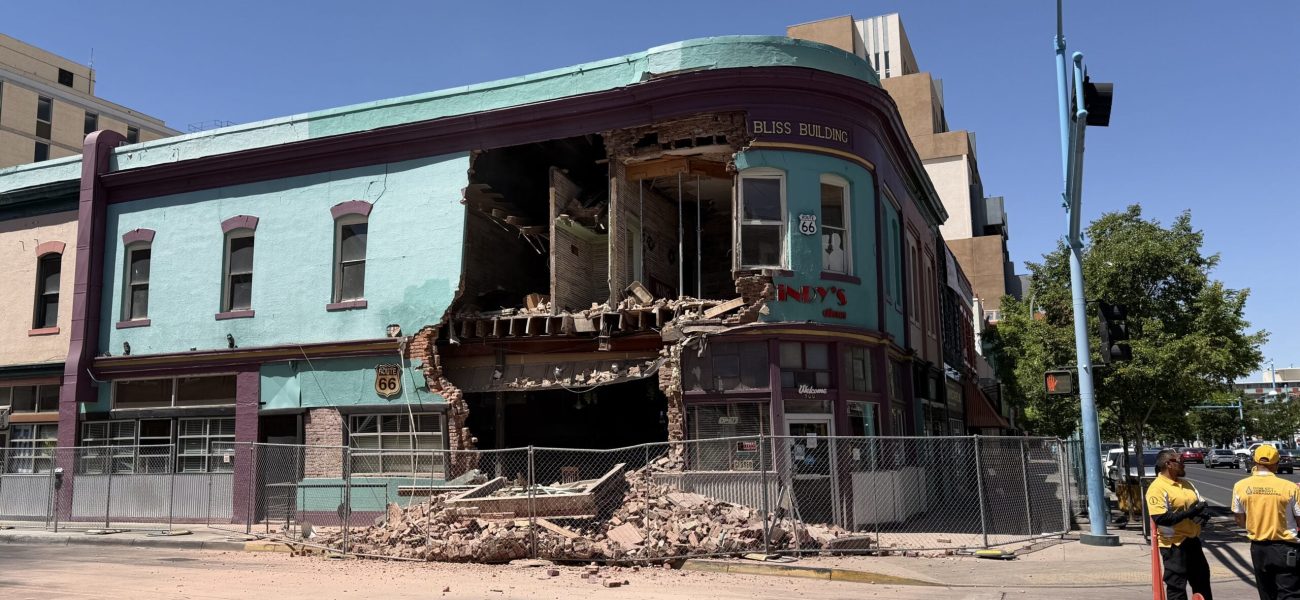
POLICY WIRE — Albuquerque, New Mexico — It wasn’t the sudden, dramatic structural failure that first jarred the city of Albuquerque, but rather the quiet, bureaucratic dismissal preceding it. Weeks before the east facade of Lindy’s Diner — a beloved downtown institution — cascaded into rubble, a concerned citizen had tipped off local media, citing a conspicuous bow in the building’s exterior wall. Yet, city officials, upon initial inspection, declared the venerable edifice harbored naught but “cosmetic issues.” Then, the inevitable happened.
On a recent Monday, the very structure previously deemed sound by municipal assessors gave way, transforming a culinary landmark into a mournful pile of debris. This isn’t just about a diner; it’s a stark, visceral reminder of the precarious tightrope between urban preservation, public safety, and governmental accountability. How does a building transition from a clean bill of health to utter collapse within days, even hours, of regulatory scrutiny? That’s the question currently reverberating through City Hall’s marble halls.
The diner, red-tagged and closed just a week prior amid escalating safety concerns, had been the subject of a flurry of 311 complaints. And it’s true: city inspectors had returned on April 20, uncovering grave violations of the Uniform Housing Code, Integrated Development Ordinance, and the Uniform Administrative Code. They’d issued an Emergency Vacate Order, signaling that Lindy’s wouldn’t reopen until substantial repairs were completed. But the crucial distinction here, the one that gnaws at public trust, is the chasm between “cosmetic” and “catastrophic.”
Planning Department Director Alan Varela, while lamenting the loss, expressed a common bureaucratic sentiment before the collapse. “These older buildings are attractive landmarks throughout the city,” he’d once offered, “and we’re hoping that the owner will step in quickly to preserve the building.” A noble aspiration, perhaps, but one that rings hollow against the backdrop of shattered brick and twisted rebar. It suggests a reactive posture, doesn’t it, rather than a proactive vigilance on behalf of public safety?
The city’s initial all-clear, in hindsight, presents a deeply troubling narrative. A KOB 4 viewer’s tip, ignored until a media inquiry forced an inspection, yielded a report of mere surface imperfections. It wasn’t until a deluge of subsequent complaints prompted a more thorough review that the true, terminal condition of Lindy’s was acknowledged. This sequence of events isn’t an anomaly; it’s a recurring motif in cities grappling with aging infrastructure and stretched oversight. The average age of commercial buildings in the U.S. currently hovers around 50 years, according to a recent report by the National Association of Realtors, emphasizing the widespread challenge of maintaining an aging urban fabric.
And what of the owners? They’d told local reporters the Monday collapse followed a long line of inspections, implying a state of constant, if ultimately futile, bureaucratic engagement. So, what went wrong? Was it inspection inadequacy? Owner inaction? Or simply the inexorable march of entropy against an edifice that had served generations of Albuquerqueans since 1929?
📄 POLICY WIRE WHITEPAPER PUBLISHED: PAKISTAN'S NATIONAL SECURITY POLICY PRIORITIES
👉 READ BY CLICKING HEREMayor Tim Keller, responding to the incident’s fallout, shot back, “We’re clearly dissecting what went wrong here. The public expects—and deserves—unwavering competence when their safety’s on the line, and frankly, we didn’t deliver on that promise here.” His candor, while commendable, doesn’t reconstruct a building or restore public faith instantaneously. It just underscores the immense, complicated job of urban governance.
This isn’t an issue confined to American cities, either. From the historic Walled City of Lahore to the bustling districts of Karachi, rapidly urbanizing centers across the Muslim world and South Asia grapple with similar, often more acute, challenges. There, the tension between preserving architectural heritage, ensuring modern safety standards, and combating bureaucratic inertia is a daily, life-and-death struggle. Buildings, often centuries old, stand shoulder-to-shoulder, their structural integrity frequently compromised by informal modifications, seismic activity, or simple neglect. The specter of collapse, whether from an earthquake or just age, looms large, demanding robust, consistent oversight that’s often elusive. For some insights into how ancient structures face modern challenges, one might ponder Pompeii’s Digital Ghost, and the enduring human fascination with, and responsibility toward, history’s remnants.
What This Means
The demise of Lindy’s Diner is far more than a local tragedy; it’s a policy canary in the coal mine for urban centers everywhere. It highlights the critical, often underfunded, role of municipal code enforcement and the perilous consequences when it falters. Economically, the loss of an anchor business like Lindy’s isn’t merely about lost revenue; it’s about the erosion of cultural capital, the dispersal of a loyal customer base, and the blighting of a downtown corridor. Politically, the narrative of “city said it was fine, then it fell apart” damages public trust in institutions, fostering skepticism about government’s ability to protect its citizens and assets. This incident demands a rigorous audit of Albuquerque’s inspection protocols, accountability for past lapses, and a forward-looking strategy for its aging urban fabric. Failing that, other iconic structures, other public safety concerns, might just crumble with similar, costly finality. There are broader lessons to be gleaned, lessons that resonate from Albuquerque’s streets to the broader challenges of governance and stability, as seen in complex geopolitical landscapes (consider Shadows Over Kunar for a different scale of oversight failure and its repercussions).