

Albuquerque’s Culinary Ascent: Restaurant Week Redefines Local Flavor and Economic Vitality
POLICY WIRE — Albuquerque, New Mexico — It wasn’t the searing heat of green chiles or the stark beauty of the Sandia Mountains that **mesmerized** diners across New Mexico’s largest city...

POLICY WIRE — Albuquerque, New Mexico — It wasn’t the searing heat of green chiles or the stark beauty of the Sandia Mountains that **mesmerized** diners across New Mexico’s largest city this past week. Instead, it was the **kaleidoscopic**, often utterly surprising, tapestry of flavors **spun** by its culinary artists, all part of the annual Albuquerque Restaurant Week – a gastronomic showcase that consistently **emblazons** the city’s metamorphosing identity.
For many, such an event’s merely an excuse for a good meal at a good price. But for Albuquerque, it’s a **pivotal artery**, mirroring the economic resilience of its independent eateries and the ambitious spirit of its chefs. The celebration, which just wrapped up its final weekend, proved more than just some promotional blitz; it was a **paean** to a fledgling food scene that’s shedding its traditional skin — like a chameleon ditching its old hide to reveal something fresh, something new.
A Feast for the Economy, A Boost for Local Talent
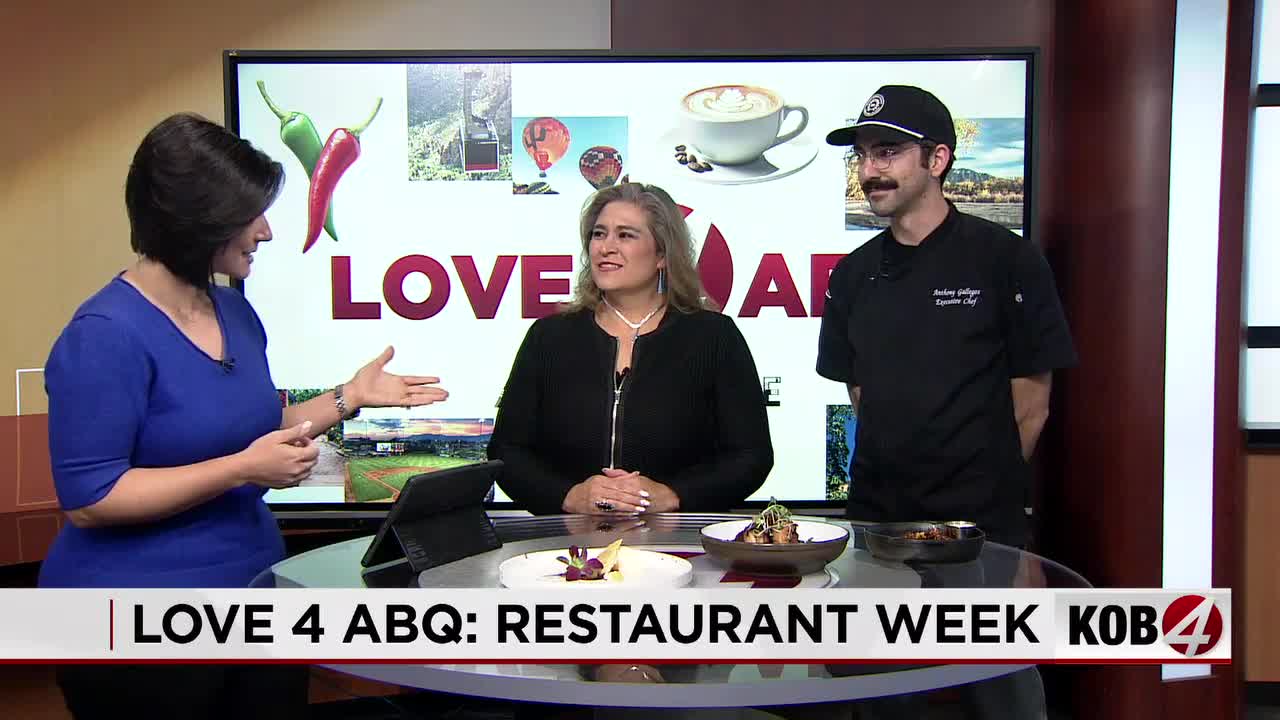
Behind the bustling kitchens and satisfied patrons lies a meticulously **choreographed ballet** to put local talent squarely in the spotlight. Ex Novo Brewing Company’s Executive Chef, Anthony Gallegos, a veteran of the city’s culinary landscape, knows this kinetic well. “You’ve got to push the envelope,” Gallegos told Policy Wire, reflecting on his specially curated menu. “Diners here are more adventurous than ever; they’re looking for that perfect blend of familiar comfort and exciting new techniques. This week lets us really experiment — and connect directly with that energy.”
And yet, it’s not just about creative freedom. The numbers, **unflinching**, tell an equally compelling story. According to the New Mexico Restaurant Association, culinary events, including Restaurant Week, contributed an estimated $12 million to the state’s economy in 2023, a hefty chunk of which directly benefited Albuquerque businesses. Powerful argument, that. For the impact of good food. One might even call it a delicious form of urban renewal.
Related: New Mexico Braces for ‘Unpredictable Fury’ as Spring Winds Unleash Dust and Chill
But who captains this ship? Victoria Sanchez Martinez, Chair of Albuquerque Restaurant Week, orchestrates the complex logistics. She spotlights the event’s broader mission beyond the plate. “We’re not just selling meals; we’re nurturing communal esprit and kindling a spark of culinary discovery,” Sanchez Martinez explained to local media. “Every reservation, every tasting menu — it all ripples outwards, supporting local purveyors, farmers, and the dedicated staff who make these experiences unforgettable, and isn’t that what it’s all about?”
Indeed, her sentiment reverberates across the city’s diverse districts. From Nob Hill to Old Town, participants range from long-standing institutions to innovative newcomers, each offering unique prix fixe menus designed to entice and delight. A city, embracing. Its potential.
Global Palates, Local Roots
While New Mexico’s culinary heritage often evokes images of vibrant red and green chile sauces, the city’s palate has become remarkably globalized. In recent years, Albuquerque has seen a discernible surge in restaurants offering flavors from across the globe, with a distinct proliferation in establishments featuring South Asian and Middle Eastern cuisines.
Make no mistake, this isn’t just some fleeting foodie fad. It’s a populace tectonic plate mirroring a more interconnected world, where chefs from Karachi to Cairo are finding a home and an appreciative audience in the American Southwest. One participating establishment, a fusion bistro near the University of New Mexico, drew palpable hum for its innovative use of traditional Pakistani spices in a New Mexican lamb dish – an unforeseen, yet undeniably palatable, matrimony of cultures. Quite the pairing, if you ask me.
This morphing mosaic of tastes is a win-win for everyone involved. For diners, it means a broadened epicurean vista; for restaurateurs, it presents new avenues for creativity and distinction in the marketplace. And it’s not just the high-end spots. Even food trucks and casual eateries are joining the movement, imbuing with strata of authenticity and global influence to Albuquerque’s already rich food story.
What This Means
The success of Albuquerque Restaurant Week isn’t merely about good food and bustling tables; it’s a linchpin barometer of urban economic health and societal verve. For policymakers, it proclaims a triumphant public-private partnership that propels wanderlust, supports small businesses, and creates jobs in the hospitality sector. It’s a frugal yet potent paradigm for urban revitalization, proving that investment in local culture can yield significant economic returns.
Politically, these events often garner bipartisan support because they deliver palpable boons directly to constituents and local businesses, bypassing many of the labyrinthine polemics around larger infrastructure projects. Economically, the week acts as a potent promotional apparatus, drawing both residents and out-of-state visitors — who, let’s be honest, might otherwise overlook Albuquerque as a culinary destination. This amplified exposure helps entice deeper capital infusion — and talent to the city’s food and beverage industry.
Culturally, the embracing of diverse cuisines, particularly those from the Muslim world and South Asia, denotes a ripening of the city’s cultural landscape. It demonstrates an openness that enriches the community, cultivating transnational camaraderie through the most ubiquitous lexicon of all: food. It isn’t just about what’s on the menu; it’s about who’s cooking it — and who’s sharing it.
The Future on a Plate
So, what’s next for Albuquerque’s dynamic food scene? Industry augurs foresee a continued emphasis on radically proximate procurement, sustainable practices, and an even deeper dive into international flavors. “Cities like Albuquerque are increasingly recognized as culinary crossroads, not just stopovers,” noted Dr. Elena Ramirez, an economic development specialist at the University of New Mexico. “To maintain this momentum, they’ll need to double down on supporting independent establishments and shepherding the subsequent cohort of diverse culinary talent. The future of gastronomy here looks far more global than ever before, — and that’s impossibly exhilarating.” More global. More exciting.
Related: The Last Dance: Gathering of Nations Ends, Sparking New Futures for Native Culture and Commerce