

Octogenarian Swimmer’s Second Chance Illuminates Organ Donation’s Lifesaving Power
POLICY WIRE — Los Alamos, New Mexico — Few can boast a life story interwoven with both gaping tragedy and awe-inspiring triumph quite like Cathy Walters. At 81, most folks are tapering off, perhaps...

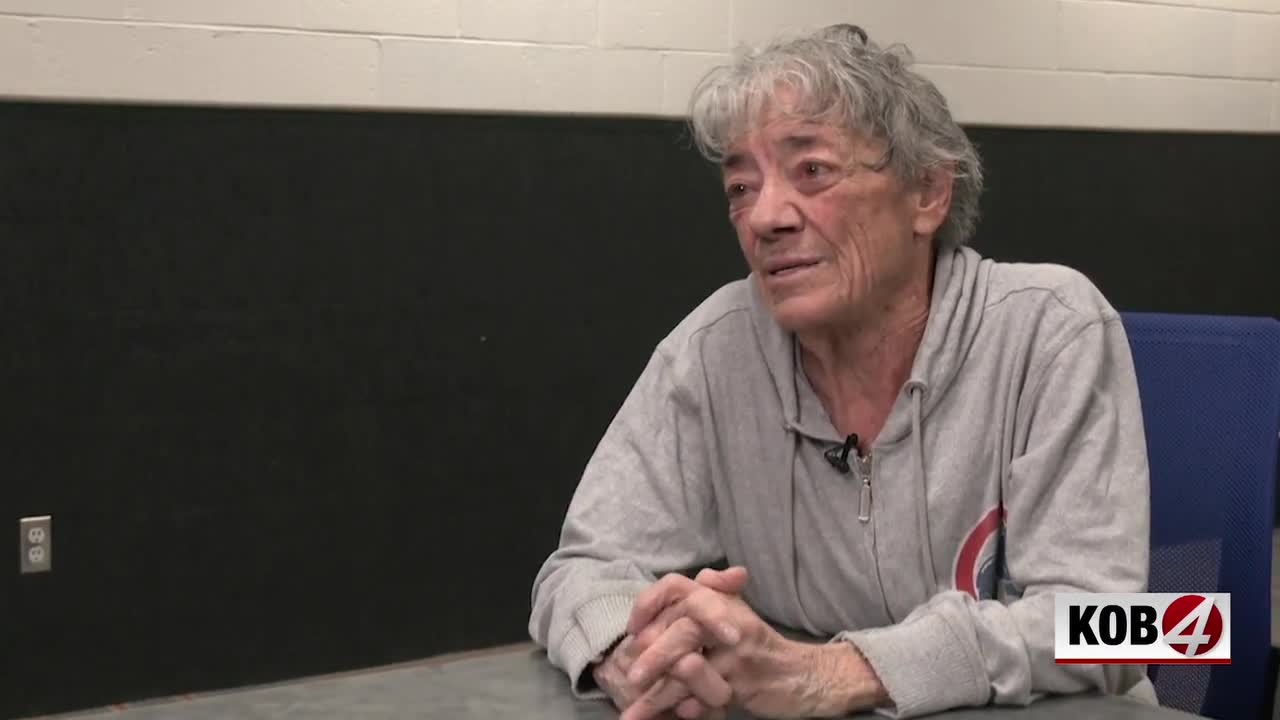
POLICY WIRE — Los Alamos, New Mexico — Few can boast a life story interwoven with both gaping tragedy and awe-inspiring triumph quite like Cathy Walters. At 81, most folks are tapering off, perhaps reflecting on past accomplishments. But not Walters, not this Los Alamos resident who, against all odds, prepares to dive into competitive swimming at the Transplant Games of America in Denver this June. Who exactly signs up for this at 81?
Her upcoming participation isn’t just a testament to personal grit. No, it’s a powerful, living narrative on the transformative — indeed, miraculous — power of organ donation, a subject that carries pivotal implications across healthcare systems worldwide. Her narrative, a potent elixir against the conventional narrative of decline, truly.
For Walters, the water’s always been a sanctuary, a constant through life’s tumultuous currents (isn’t that always the way, though?). “I’ve pretty much swam my whole life,” she recently told reporters, a subtle understatement considering how deeply the sport threads through her very survival.
But the water also holds a heartbreaking memory. Back in 2001, her son, Matt Walters, then just 30, died suddenly during a swimming workout. His heart failed. Just like that. Years later, doctors delivered a chilling revelation to Cathy: a rare disease had turned muscle in her right ventricle to fat, a condition likely responsible for her son’s untimely death. “He was actually swimming a workout when his heart failed,” Walters recounted, her voice still carrying the weight of the past. “It was actually kind of a little bit of a relief to finally know.” A relief, honestly.
In 2009, with her own heart failing, Walters found herself in an emergency room battling arrhythmia — a relentless, terrifying rhythm — and after a year of grueling tests and procedures, a diagnosis solidified: she absolutely needed a heart transplant. At 68, she qualified for the life-saving operation.
Because New Mexico didn’t have a heart transplant center, she relocated to Los Angeles. Just four days after arriving, the call came. Fast. A donor heart was available (can you even imagine the relief?). “At the rate that my heart was failing, I would’ve been gone,” Walters reflected, acknowledging the immediacy of her reprieve.
And yet, the story took an even more poignant turn. The donor was a 40-year-old mother of three, also from Los Alamos. Walters wrote five letters over six years to the donor’s family, yearning for connection. Finally, a Facebook message arrived. “That’s when my emotions kicked in,” she recalled. “All of these years I yearned to know the family.” This deeply personal connection underscores the profound, often unexpected, bonds forged through the act of giving life.
A Global Call for Generosity
Organ donation’s a universal need, but its implementation — and acceptance vary wildly across the globe. In Western nations, opt-out systems — and public awareness campaigns have steadily increased donor rates. However, in many Muslim-majority countries, including Pakistan, cultural and religious interpretations have historically presented significant hurdles — a Gordian knot of ethics and logistics, if you will.
For instance, while Islam generally permits organ donation under strict conditions to save a life, differing scholarly interpretations and societal norms mean that systems are often less developed, and donor rates remain low compared to the demand. That’s a significant policy conundrum, isn’t it? (Understatement of the century, perhaps.)
Still, the demand’s undeniable. According to the U.S. Health Resources and Services Administration (HRSA), more than 100,000 people are currently on the national transplant waiting list. Every nine minutes, another person is added to that list. Walters’ story’s a vivid example of a stellar outcome amidst these stark statistics.
What This Means
Walters’ journey illuminates critical policy — and societal issues surrounding organ donation. Her need to relocate for treatment underscores regional disparities in specialized medical care, a concern for policymakers grappling with equitable healthcare access. The emotional connection she forged with her donor’s family also speaks to the profound human element of donation, which can be leveraged in public awareness campaigns to foster greater empathy and participation in donor registries.
Politically, this narrative — a deeply human story interwoven with the cold mechanics of healthcare — strengthens calls for increased funding for transplant research and infrastructure, particularly in states like New Mexico that lack comprehensive transplant centers. Economically, successful transplants return individuals to productive lives, reducing long-term care costs and contributing to the workforce. This isn’t just about one woman; it’s about the broader ecosystem of public health — and its intricate connections.
Walters returned to the water for the Transplant Games of America in 2018. This year, she joins 30 other New Mexicans. She’ll likely be the sole competitor in the new over-80 category, a trailblazer in every sense. “It’s like the Olympics, you know, they march in together, like the countries come in, only the teams come in,” she said, clearly thrilled by the communal spirit.
“Cathy’s story isn’t just about athletic prowess; it’s a living testament to the second chances made possible by the selfless act of organ donation,” noted Angela Williams, President of the Transplant Games of America Foundation. “Her determination, especially at 81, galvanizes countless others to register as donors and embrace life post-transplant.”
Indeed, her resilience bestows not just a second chance, but a profound continuation of life, shaping futures in ways that transcend individual stories and ripple across communities. New Mexico’s spirit, often characterized by its rugged determination, finds a new champion in Walters.
Related: The Last Dance: Gathering of Nations Ends, Sparking New Futures for Native Culture and Commerce
So, as medical science continues to advance, the narrative of individuals like Walters will undoubtedly become more common. This rising tide of medical success, however, places an even greater onus on public policy to ensure accessible care and robust donor systems.