
Albuquerque’s Alt-Rock Requiem: Global Stage Fades to Blacktop Nightmare for Japan’s Peelander-Z
POLICY WIRE — Albuquerque, N.M. — In the curious orbit of independent music, where outlandish costumes and stage theatrics often eclipse sober fiscal realities, a roadside catastrophe near Moriarty...

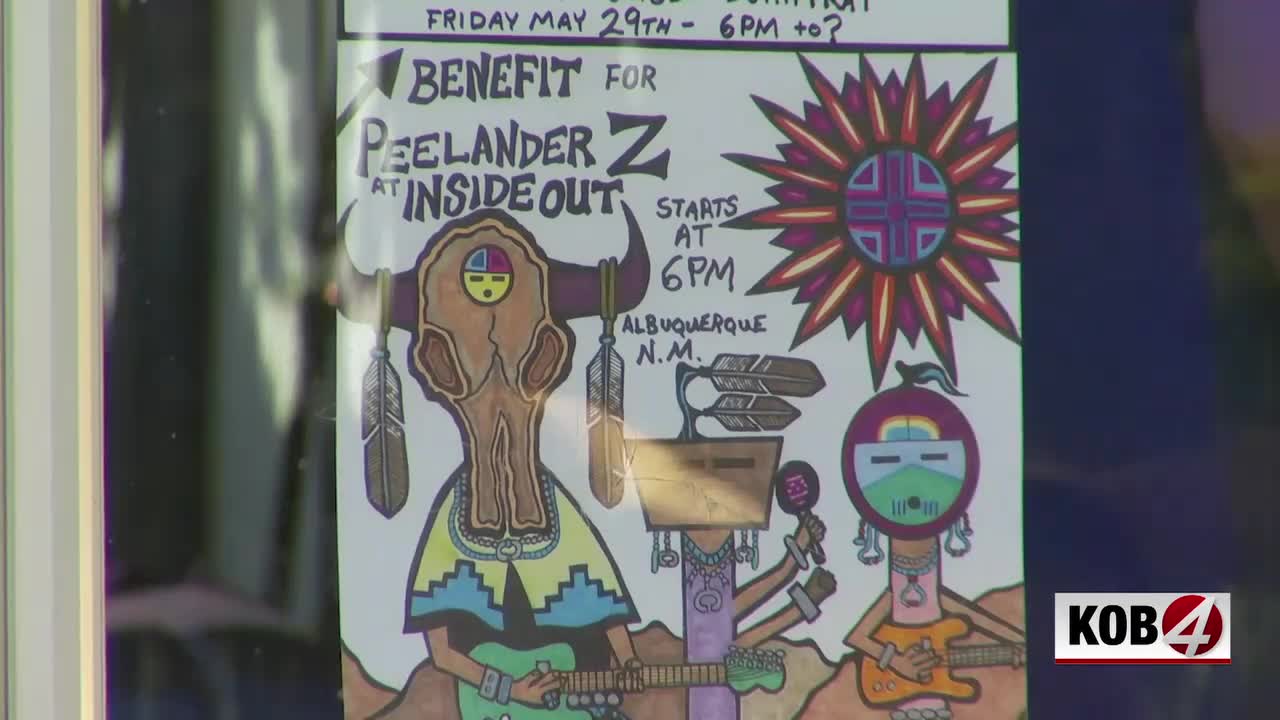
POLICY WIRE — Albuquerque, N.M. — In the curious orbit of independent music, where outlandish costumes and stage theatrics often eclipse sober fiscal realities, a roadside catastrophe near Moriarty has forced a jarring spotlight onto the precarious economics of cultural exchange. The self-proclaimed ‘Japanese action comic punk band,’ Peelander-Z, known for their colorful, high-energy performances and utterly bizarre (some might say brilliant) aesthetic, found their U.S. tour abruptly—and brutally—cut short.
It wasn’t a sudden cancellation, nor artistic difference, that slammed the brakes on their performance schedule at Inside Out in Albuquerque. Instead, it was a semi-truck, a gargantuan leviathan of commerce, that rendered their tour van a crumpled relic on Interstate 40. The incident, less than a fortnight ago, left three band members not just bruised, but seriously, traumatically injured, their recovery now a painful symphony of medical bills and canceled dates.
But amidst the bent metal and shattered glass, a more poignant narrative emerged: the gritty, unglamorous underbelly of local music scenes pulling together. This isn’t just a story about a band, you see; it’s about the often-overlooked scaffolding that holds up a global network of independent artists—the local promoters, sound engineers, and fellow musicians who, frankly, don’t have much to gain beyond solidarity. A benefit concert materialized with the speed of a pop-up protest, driven by sheer community will, raising some much-needed coin for a group suddenly facing an unforeseen financial abyss far from home.
Roman Barham, a fixture in Albuquerque’s live music landscape, didn’t mince words. “They’d played our venues for all these years, always brought it,” he recounted, reflecting on Peelander-Z’s unique charm and long-standing relationship with the scene. “Me — and my friend Rick the Tick just looked at each other, and it was like, well, let’s put a benefit together. You don’t think about the global implications when a buddy’s van is wrecked, do you? But suddenly, you’re thinking about everything.”
And ‘everything’ includes the cold, hard calculus of touring. One member, Kengo, currently navigates the labyrinthine realities of multiple fractures to his spine, ribs, and arms, with worrying indications of a traumatic brain injury. The medical tab, one can imagine, isn’t measured in paltry yen. It’s American dollars, piling up with the frightening efficiency of a congressional spending bill. A GoFundMe campaign exists, because, well, that’s what we do now.
The incident, while specific to New Mexico, really does highlight broader fragilities within the entertainment industry, particularly for international acts navigating the sprawling North American highway system. For groups like Peelander-Z, the logistical tightrope walk—from visas and equipment transport to housing and managing medical emergencies thousands of miles from home—becomes a truly Byzantine undertaking. But such trials aren’t confined to Japanese exports; artists from burgeoning scenes across the world, including the vibrant musical underground stretching from Lahore to Istanbul, face similar, if not intensified, infrastructural and economic hurdles as they chase global audiences. It’s a reminder that culture, however borderless its appeal, remains anchored by tangible—and sometimes perilously flimsy—supply chains.
“We can’t just shrug off these incidents as isolated road mishaps,” declared Maria Esperanza, New Mexico’s Secretary of Transportation, in a rare moment of public commentary on an artistic calamity. “Every semi on our highways represents a system, a set of regulations, — and frankly, a civic responsibility. We’re working with federal partners on refining freight safety protocols. Our state’s infrastructure can’t afford such lapses, especially when they impact livelihoods, whether it’s agriculture or international performers. Because if artists can’t safely crisscross this country, what does that say about our capacity to foster—let alone benefit from—global cultural exchange?” Indeed. According to the National Highway Traffic Safety Administration (NHTSA), 5,788 people died in crashes involving large trucks in 2021 alone, a 17% jump from the previous year. That’s a lot of lives, — and a lot of disrupted tours.
What This Means
The Peelander-Z tragedy—and the immediate, visceral response from the Albuquerque scene—serves as a microcosmic snapshot of larger forces at play. Economically, it exposes the precarity of the gig economy, where the slightest misstep (or, in this case, a massive semi) can trigger catastrophic financial and personal fallout. For artists lacking major label backing, every tour is a high-stakes gamble; a single accident can obliterate years of effort and savings. This incident, while far from policy-making’s usual stomping grounds, spotlights the latent demands placed on local communities and charity in the absence of robust, safety-net mechanisms for itinerant workers—regardless of whether they’re rock stars or migrant labor.
Politically, the subtle observation by Secretary Esperanza isn’t just platitudes; it’s a veiled recognition that the movement of goods and people—including cultural ambassadors—is inextricable from national interests and regional prosperity. When an international act is grounded by domestic infrastructure failings, it chips away, however minutely, at soft power, at the very idea of a welcoming America. Think of cultural diplomacy programs, intended to build bridges between nations; how do they fare when the physical bridges and roads are literal deathtraps for the ambassadors? It’s a quiet challenge, demanding not just improved highway safety—which it certainly does—but perhaps even dedicated support mechanisms for global cultural workers who, like it or not, function as unwitting, unofficial envoys. The Albuquerque benefit wasn’t just a local happening; it was a small, fiercely human act of geopolitical consequence, a testament to resilience where institutions often fall short. They don’t make an impact with words like Cross-Community Unity—they just do the work. And that’s usually the real story.