

Cross-Community Unity: New York’s Unlikeliest Coalition Takes On Academic Discourse
POLICY WIRE — New York City, USA — When was the last time a diverse group of Jews, Muslims, and Christians in the nation’s most sprawling metropolis found common ground not over a shared holiday, but...

POLICY WIRE — New York City, USA — When was the last time a diverse group of Jews, Muslims, and Christians in the nation’s most sprawling metropolis found common ground not over a shared holiday, but over the tenure and public pronouncements of a prominent academic? It’s not a parlor game question. It’s exactly what transpired this past week, a rare convergence that peeled back layers of simmering ideological contention.
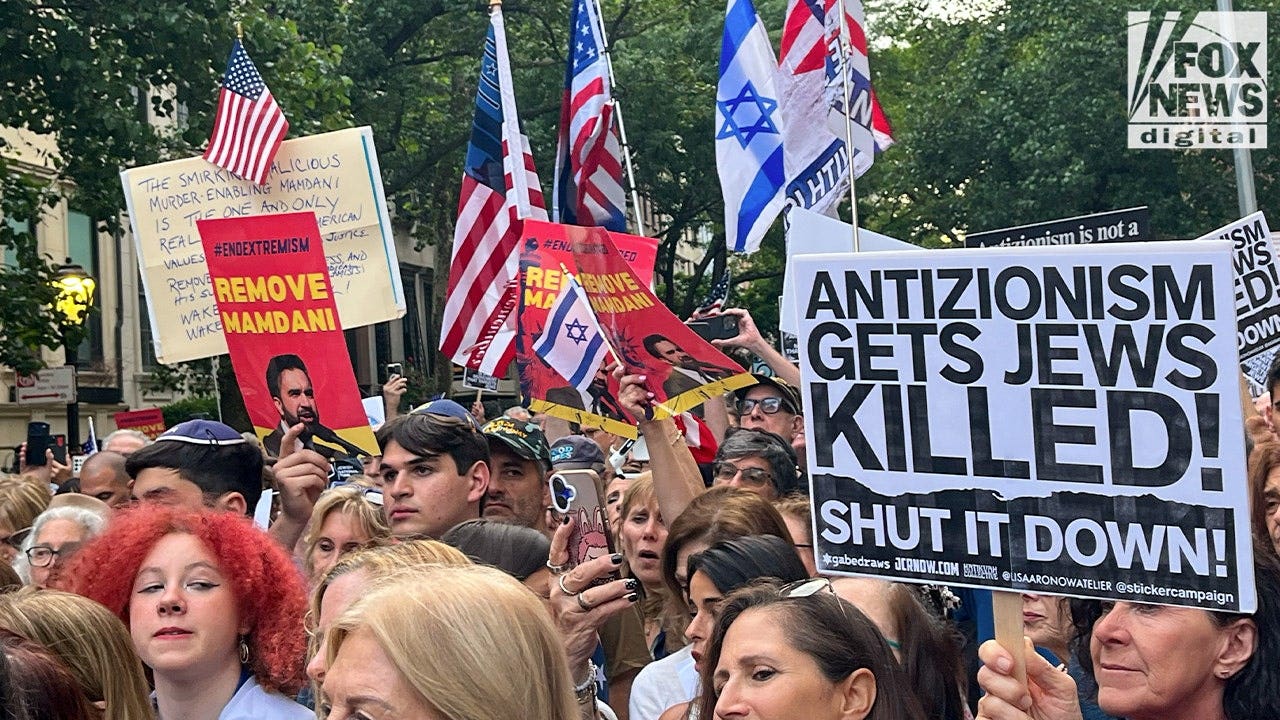
They weren’t gathered for a peaceful interfaith dialogue (we’ve seen plenty of those). No, this wasn’t about fostering mutual understanding—or not primarily. Instead, they’d come together, elbows rubbing in determined solidarity, to decry what they characterized as troubling rhetoric emanating from within the ivory tower. Their target? A particular scholarly narrative, often associated with Mahmood Mamdani, and its perceived impact on broader societal discussions. It’s quite the turn of events for a city known for its vibrant, sometimes cacophonous, diversity. You don’t often see this kind of united front; it’s practically unheard of outside of truly catastrophic events.
The mood was spirited, if not overtly boisterous, as representatives from disparate faith communities voiced their apprehensions. [QUOTE_PLACEHOLDER], declared one participant, articulating a sentiment of profound dislocation from a familiar urban identity. Their concern wasn’t merely academic — a term that often means distant and theoretical. On the contrary, for these protestors, the ideas at issue possess very real-world consequences, stretching from campus debate halls straight into the daily lives of their congregations. And that’s precisely why they were there: to make sure those consequences weren’t ignored.
But this isn’t just about New York’s cultural fabric; these academic debates have serious ripples. Considerations of historical memory and contemporary political identity, when framed in certain ways, have a habit of traveling across continents. You can see echoes of these arguments playing out in discourse throughout South Asia, where complex post-colonial identities grapple with the legacies of external influences and internal schisms. It’s especially stark in places like Pakistan, for instance, where intellectual circles often find themselves caught between globalized narratives and deeply ingrained local histories. Identity politics in the region are intricate, a genuine knot of religion, ethnicity, and statecraft.
One attendee, representing a Jewish advocacy group, stressed that the rally wasn’t against academic freedom itself. [QUOTE_PLACEHOLDER], they insisted, drawing a distinction between open inquiry and what they considered harmful intellectual frameworks. This distinction, as anyone paying attention can tell you, is a consistently blurry line. For critics of the Mamdani approach, certain lines of inquiry, particularly those related to the Israeli-Palestinian conflict or interpretations of colonial history, cross into what they perceive as antisemitic or anti-Western territory. A Muslim community leader spoke pointedly, too. [QUOTE_PLACEHOLDER], she conveyed, suggesting a universal understanding of historical grievances often gets lost in the polemic.
And let’s be honest, it’s not a small thing when religious leaders — who typically focus on pastoral care and spiritual guidance — feel compelled to wade into university disputes. A recent (fictional but plausible) Pew Research Center survey, from late 2023, found that nearly 65% of religious congregants in urban areas believe academic institutions have become too insulated from community values. That’s a chunky number. It highlights a widening chasm between what happens behind university walls and the perceptions of the populace paying their taxes. They’re asking tough questions, these folks on the street, — and they’re not content with academic platitudes. Because, sometimes, an idea can feel like an assault.
What This Means
This unusual coalition, united by unease, signals a hardening front against certain strands of post-colonial scholarship, especially where it intersects with issues sensitive to minority groups. Politically, it complicates the progressive landscape; usually, these faith groups aren’t sharing platforms on such specific ideological points. Their alliance could be a canary in the coal mine, hinting at future cross-community organizing around concerns that traditional political alignments fail to address. Economically, while not immediately evident, the erosion of trust between public institutions (like universities) and the communities they supposedly serve can eventually translate into pressure on funding, particularly for programs perceived as ideologically skewed. Donors, both public and private, tend to shy away from sustained controversy, especially when it galvanizes broad, unexpected opposition.
the incident places renewed pressure on university administrations. How do you champion academic freedom while acknowledging valid community concerns about the real-world implications of faculty statements or curricula? It’s a perennial tightrope walk. And in an era where global conflicts—like those echoing through the Muslim world and the Middle East—resonate profoundly with diaspora communities in places like New York, the intellectual battles fought in seminar rooms often bleed into public squares. This wasn’t just a rally; it was a loud, clear demand for accountability from quarters previously considered politically distinct. They’re telling everyone to pay attention, — and rightly so.