

AI in the Dock: Jurors Balk at Digital Trail in Devastating California Fire
POLICY WIRE — Los Angeles, California — Forget eyewitnesses or smoking guns. These days, a criminal trial can pivot on a man’s chats with artificial intelligence—or at least, that’s what...

POLICY WIRE — Los Angeles, California — Forget eyewitnesses or smoking guns. These days, a criminal trial can pivot on a man’s chats with artificial intelligence—or at least, that’s what prosecutors hoped for in the incendiary Palisades Fire case.
It didn’t quite stick the landing. After nearly two weeks of deliberation, the federal arson trial against Jonathan Rinderknecht ended in a mistrial Friday, not because jurors were hung on technicalities, but because a hefty majority—ten out of twelve, to be precise—simply weren’t convinced. They insisted Jonathan Rinderknecht, 29, is innocent. But now he’s right back into the legal grinder; Judge Anne Hwang set an October 19 retrial date and ordered him jailed until then. It’s quite a spot for someone acquitted in the court of jury opinion. [QUOTE_PLACEHOLDER]
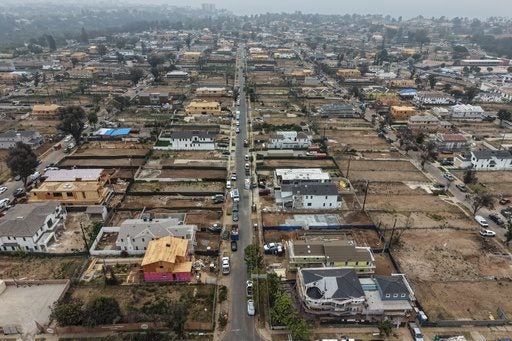
The alleged crime, a conflagration that became one of California’s most destructive wildfires, scorched massive swathes of the Palisades, Los Angeles, and Malibu, taking twelve lives as it moved. Prosecution theory: Rinderknecht used a barbecue lighter on January 1, 2025, sparking a blaze that smoldered undetected deep in root systems before flaring back up six days later. But here’s the rub: they never provided direct evidence. The whole shebang? It’s hinged on circumstantial cues and, crucially, a voluminous digital footprint. Defense attorney Steve Haney sees the mistrial as a clear signal. He said his client feels encouraged that so many of the jurors resoundingly found that the government’s case was not strong, and they didn’t have enough evidence to convict him. Conversely, First Assistant U.S. Attorney Bill Essayli has asserted they’ve strong evidence — and won’t be giving up.
Prosecutors pulled out the digital stops, parading records from Rinderknecht’s phone, email, Uber trips, social media accounts, and his Open AI activity. Think about that for a second. His Google-level brain, the AI, became a star witness. They laid out thousands of comments, showcasing his frequent use of ChatGPT, often venting. There was the loaded question, Why am I so angry all the time?, and online searches, on Reddit no less, for things like lets kill all the billionaires. He’d even recorded firefighters battling the blaze, pausing to ask ChatGPT if someone could be held responsible for a fire accidentally started by a cigarette. A day before the powerful Santa Ana winds whipped up smoldering roots into a true disaster, he filmed a selfie video claiming he was having a mental breakdown. They painted a picture of a guy consumed by a vague, societal rage, someone who might target a wealthy enclave. An expert on arsonist behavior, Kevin Kelm, even testified that such conduct matches a societal revenge motivated arsonist.
But the defense ain’t buying it. Haney’s team argued hard against this digital dragnet, pointing to a severe lack of actual, physical evidence linking Rinderknecht to the initial spark. Nobody found any searches about starting fires, no purchase orders for incendiary devices. Sure, his DNA was on a barbecue lighter in his car, but that doesn’t mean it started the blaze. The prosecution could only say the fire began with an open flame. The real culprit, according to the defense? Fireworks. A firefighter even recalled hearing them near the site just before — and after midnight. Two residents — and a security guard also reported flashes of light or explosive sounds.
And let’s not forget how these investigations can get messy. Former LA fire investigator Ed Nordskog threw a wrench in the prosecution’s wheels, citing confirmation bias. He saw fireworks-related fires on New Year’s Eve constantly; investigators, he noted, were choosing to look at information in a very sinister way when they should be a little more open about it. The crime scene itself was compromised, not secured until nearly two weeks after the first flicker. That’s a long time for a potential suspect’s team to cry foul. And they did: Can you convict a man based on a crime scene that was destroyed? Stripped of all evidence? Evidence that could’ve proved his innocence? Haney grilled jurors during closing arguments.
One juror, Syrena, Juror No. 4, publicly backed the not-guilty vote. There’s just not enough proof, she stated bluntly. Her take on Rinderknecht’s frantic ChatGPT use? He was just being human, like her, given she talks to ChatGPT frequently too. She felt it was an unfair character assassination, telling reporters, It made me angry that they were putting his character down.
📄 POLICY WIRE WHITEPAPER PUBLISHED: PAKISTAN'S NATIONAL SECURITY POLICY PRIORITIES
👉 READ BY CLICKING HEREThe local landscape, literally — and politically, remains scorched. Only 17 rebuilt homes in Pacific Palisades have been certified for occupancy since the inferno. Voters will go to the polls to re-elect Los Angeles Mayor Karen Bass right when the new trial kicks off, a Mayor already criticized over the city’s disaster prep and response. This case, though localized, underscores broader worries about the interplay of emerging AI, digital privacy, and legal frameworks across global societies, including the growing reliance on data trails in judicial systems in countries like Pakistan, where digital surveillance raises similar debates about due process and evidential integrity. After all, if a chat with a bot can land you in the dock for a catastrophic crime, the implications are chilling.
What This Means
This hung jury isn’t just about a mistrial; it’s a gut check for the justice system and its grasp of our increasingly digitized lives. When prosecutors lean so heavily on an accused’s digital life, from private queries to an AI chatbot to frustrated online rants about economic inequality, they’re stepping into murky territory. It’s a testament to how profoundly technology now influences our perception of intent, motive, — and guilt. But jurors, it seems, aren’t so quick to condemn based solely on someone’s unfiltered inner thoughts exposed by a server farm.
This retrial will set an important precedent. Will a deeper dive into the AI chats convince another jury? Or will it highlight the dangers of over-reliance on a digital mind-reading when actual proof is scant? What does it say when the city’s emergency response is implicitly, if not explicitly, blamed by a juror as a mitigating factor? Shouldn’t the firemen, shouldn’t they’ve known? That’s not just a rhetorical question; it points to deeper systemic failings that citizens often connect to disasters, demanding accountability from more than just an individual.
Politically, the timing’s awful for Mayor Bass. Public anger after such destruction never really fades, and any perceived government failures—as civil attorney Alexander Robertson put it, The state and the city have tried for the past year and a half to distract from their own shortcomings in their own liability—become potent electoral fuel. It’s a raw reminder that even in a highly connected world, a physical disaster demands a human and robust institutional response. But beyond the glitzy LA context, the anxieties over technology’s role in law and order, and the public’s perception of it, ripple through judiciaries worldwide, from Lahore to London. Questions regarding digital forensics and privacy in the face of alleged climate-motivated actions, or simply those from disaffected individuals, echo across different continents, as policymakers consider how to regulate tech and uphold individual liberties in courtrooms. You can’t prosecute an algorithm—not yet, anyway—but you sure can try to convict a person based on what they asked it. For more on AI’s impact on legal and societal norms, consider its impact on Asia’s education arena, or perhaps the wider implications of global climate realities, as highlighted by even the most innocuous events, like New Mexico’s tiniest tornado.