


Ahmedabad’s Colossus: IPL Final and the Subtext of India’s Sporting Ascent
POLICY WIRE — Ahmedabad, India — They call it the world’s largest cricket stadium, a colossal testament to India’s escalating ambitions—economic, political, and frankly, theatrical. The Narendra Modi...

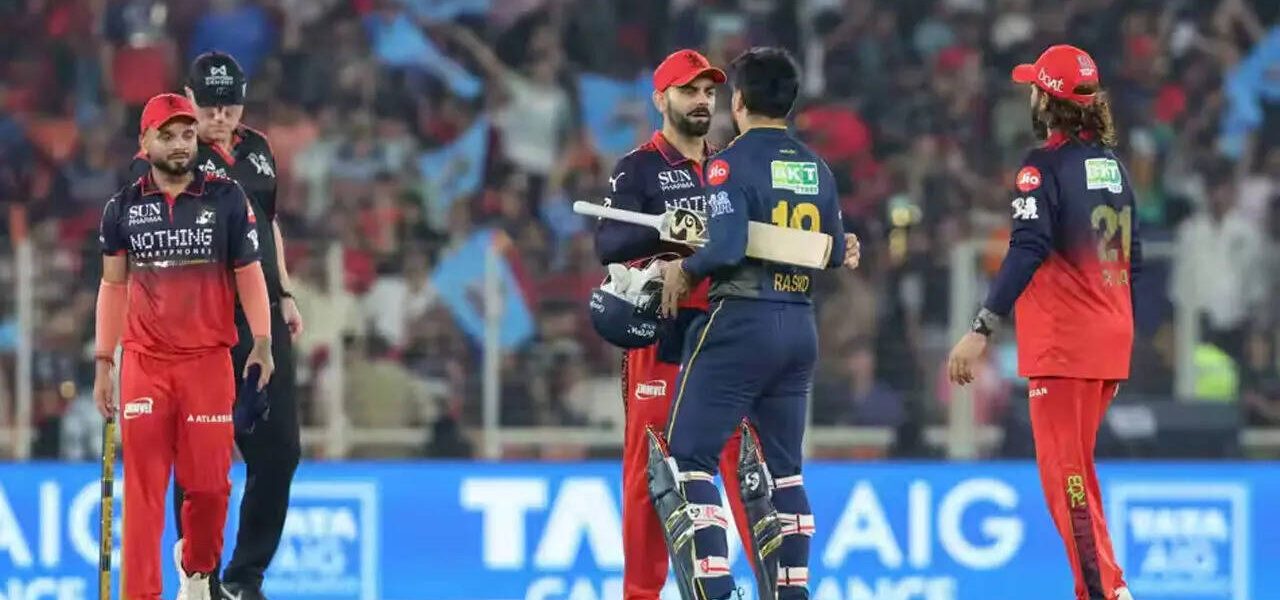
POLICY WIRE — Ahmedabad, India — They call it the world’s largest cricket stadium, a colossal testament to India’s escalating ambitions—economic, political, and frankly, theatrical. The Narendra Modi Stadium in Ahmedabad isn’t merely hosting the Indian Premier League (IPL) 2026 final this Sunday; it’s anchoring a meticulously crafted narrative. The defending champions Royal Challengers Bengaluru (RCB) will face the home-turf stalwarts, Gujarat Titans (GT), but the real game plays out across a broader landscape, far beyond the boundary ropes.
It isn’t about mere cricketing prowess alone; it’s about the display of staggering national infrastructure and market dominance. This arena, capable of seating 132,000 spectators, represents a singular vision. And make no mistake, every single empty seat, should there be one, feels like a minor policy failure—even if none is likely. For years, the conversation around Indian sport revolved around potential, now it’s firmly rooted in undeniable, high-definition spectacle. It’s a calculated projection of power.
RCB, led by the enigmatic Rajat Patidar, has steamrolled its way here, dismantling GT in Qualifier 1. Their momentum? Imposing, perhaps even slightly arrogant. But Gujarat Titans won’t easily yield on their home patch. They’ve built their own legacy in this arena—winning four and losing four here in eight IPL appearances. The stadium has witnessed their triumphs — and their rare, yet still stinging, defeats. One meeting here earlier this season saw GT dismantle RCB comprehensively, chasing down 155 in barely 15 overs, a performance that exposed vulnerabilities Bengaluru had thought long-buried.
Yet, Ahmedabad has also been the backdrop for RCB’s singular moment of redemption: the IPL 2025 final, where they finally seized a long-awaited trophy. For Virat Kohli—who has elevated himself to near-mythical status—and the Bangalore faithful, that night erased two decades of near-misses. And that’s a potent memory, a powerful undercurrent that informs Sunday’s showdown. It’s an emotional asset they carry, a psychological edge often undervalued in analytical previews.
“These events aren’t just about the game itself anymore,” observed Finance Minister Nirmala Sitharaman from New Delhi, speaking recently on India’s burgeoning sports economy. “They’re cultural exports, economic multipliers. We’ve seen tourism revenues from international events increase by 15% in the last fiscal year alone, reflecting the strategic investments we’ve made in world-class facilities like Ahmedabad.” It’s a point often missed by those who only follow box scores. But this isn’t just about cricket; it’s about cementing a place on the global stage, proving India’s capability to host and profit from grand spectacles. And they’re doing it, repeatedly.
This final, like the league it culminates, transcends national borders. Its reach extends deeply into the subcontinent and the wider Muslim world, regions captivated by the IPL’s glitz, glamor, and ferocious competition. Broadcast partnerships ensure it’s streamed from Dhaka to Dubai, generating massive engagement—and, naturally, revenue streams—across diverse demographics. The sheer commercial juggernaut of the IPL, reportedly valued at over $15 billion according to various financial reports, casts a long shadow over cricketing boards from Lahore to Kuala Lumpur, who watch, somewhat wistfully, as India continually reaps rewards from its pioneering model.
“There’s an undeniable allure to the IPL, and its massive infrastructure is frankly, aspirational for many in the region,” mused Dr. Safdar Ali Khan, a Lahore-based sports economist, during a recent Policy Wire roundtable. “But there’s also a stark reminder of economic disparities. While India can fund such extravagant arenas — and leagues, neighboring nations struggle for basic facilities. It presents both a shared passion for the sport and a widening economic chasm within South Asian sports.” It’s a candid, if uncomfortable, observation about regional dynamics.
What This Means
This IPL final, particularly in Ahmedabad’s giant cauldron, offers more than just sporting drama; it’s a snapshot of India’s economic might and its soft power projection. Economically, the event pumps millions into local economies—hospitality, transport, merchandising, media rights—demonstrating the potential for sports to drive growth. Politically, the stadium’s name and scale symbolize a national ambition that resonates deeply with the current government’s focus on showcasing a modern, capable India. This kind of event strengthens India’s brand globally — and within the Asian context.
For South Asia, the IPL represents both inspiration — and a challenge. Its unprecedented success provides a blueprint, yes, but also highlights the widening financial gap between India’s cricketing ecosystem and that of its neighbors. Other cricketing nations grapple with attracting similar investment — and sustaining comparable leagues. It shapes migration patterns of talent, too, drawing top players from across the region—and globe—to India’s financially lucrative shores. This spectacle is, therefore, an active foreign policy tool, whether intended or not, influencing regional perceptions and economic flows, spurring conversations about cross-border sports policy that seldom get headlines. It’s a show of strength, expertly packaged, and globally distributed.