

Africa’s Unseen Scythe: Starvation’s Shadow Lengthens in Uganda’s Drylands
POLICY WIRE — Kampala, Uganda — The headlines often prefer their disasters immediate, their body counts delivered with swift, cataclysmic force. Think tsunamis. Earthquakes. Plunging aircraft. But...

POLICY WIRE — Kampala, Uganda — The headlines often prefer their disasters immediate, their body counts delivered with swift, cataclysmic force. Think tsunamis. Earthquakes. Plunging aircraft. But out in Uganda’s vast, unforgiving Karamoja region, death doesn’t announce itself with a bang; it sneaks in on the quiet, rasping breath of slow-burn starvation. Sixteen lives snuffed out not by sudden calamity, but by the relentless, grinding march of parched earth and empty bellies. It’s not just a statistic, is it? It’s a systemic failure, unfolding under a blazing African sky, largely ignored by the very world that contributes to its cause.
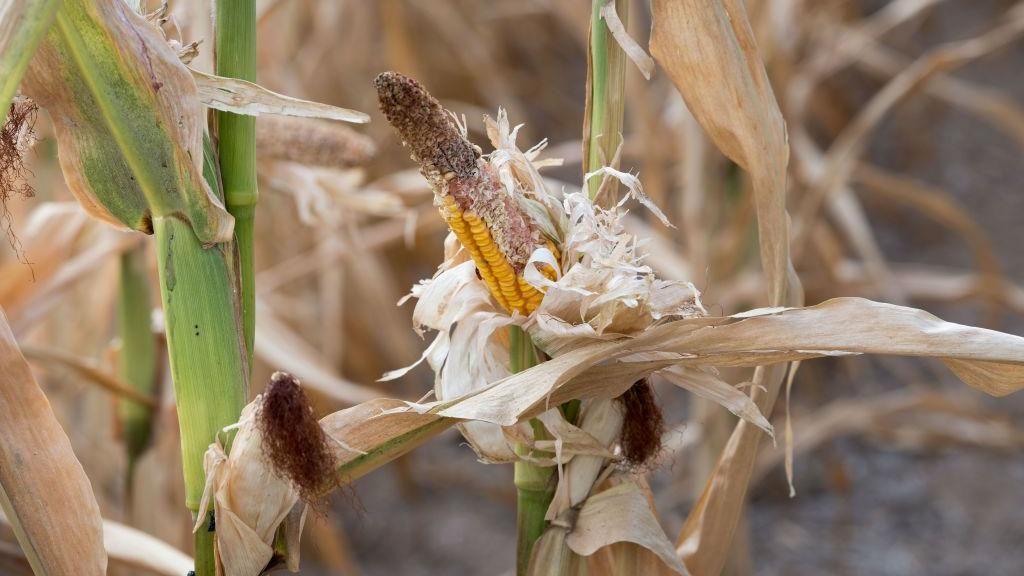
It seems almost antiquated, doesn’t it, to speak of people simply starving to death in the 21st century? But here we’re. This isn’t about food shortages per se; it’s about a radical environmental shift—a punishing drought that’s left the soil cracked, the streams bone dry, and the staple crops — maize, sorghum, millet — withered to dust. For the predominantly pastoralist communities in Karamoja, this isn’t just a bad harvest; it’s an existential threat. They don’t have much to fall back on, do they? No diversified portfolios, no safety nets. Just the land, — and the land’s turned against them.
Honorable Frank Tumwebaze, Uganda’s Minister of Agriculture, Animal Industry — and Fisheries, minced no words recently. “We’re not just fighting a dry spell; we’re battling the future,” he stated, his voice laced with an exhaustion perhaps only true familiarity with the situation could bring. “Our farmers are resilient, but nature, when it truly turns, well, it can break even the strongest amongst us. The world needs to understand the gravity of these persistent climate shifts, the way they eat away at our very existence.” And he’s right, you know. This isn’t a one-off. It’s a cycle, getting tighter, harsher, year after year.
But the government, strapped for cash and juggling a host of other development priorities (some self-imposed, let’s be honest), finds itself constantly behind the curve. Aid agencies scramble, but their efforts feel increasingly like attempts to patch a leaking dam with chewing gum. “What happened in Karamoja—the sixteen souls lost—that’s a stark reminder of what’s happening just beneath the headlines in so many places,” offered David Beasley, Executive Director of the World Food Programme, a man who’s seen more suffering than most of us could bear to imagine. “We’re seeing more mouths to feed — and less certainty in growing seasons. It’s a crisis brewing for years, isn’t it? The sheer scale of vulnerability just keeps growing.”
This particular episode in Uganda offers a chilling echo for countries across the global South. Think about Pakistan, for instance, where devastating floods give way to oppressive heatwaves and then erratic droughts, crippling agricultural output and displacing millions. Both nations, separated by continents, share an unwelcome kinship: frontline status in a climate crisis they’ve contributed least to. That interdependency, that shared climate burden, it’s not just an academic talking point. It’s people, starving. According to UN Food and Agriculture Organization (FAO) data, East Africa’s maize output dropped by nearly 20% in the last five years compared to the previous decade, a stark correlation with increasingly erratic rainfall patterns. Meanwhile, across the globe, wealthy nations grapple with their own environmental woes, often while consuming resources that exacerbate problems elsewhere.
What This Means
📄 POLICY WIRE WHITEPAPER PUBLISHED: PAKISTAN'S NATIONAL SECURITY POLICY PRIORITIES
👉 READ BY CLICKING HEREThe loss of these sixteen Ugandans isn’t just a localized tragedy; it’s a stark, public policy failure with far-reaching implications. Economically, repeated droughts mean diminished agricultural productivity, which for an agrarian nation like Uganda translates directly into lost GDP, increased import reliance, and persistent inflation for staple foods. This squeezes household incomes, particularly in rural areas, deepening poverty. Politically, a hungry populace is an unstable populace. Food insecurity can spark internal migration, heighten ethnic tensions over dwindling resources, and even fuel regional conflicts. It breeds distrust in governance, undermining state legitimacy.
it highlights the ongoing climate debt owed by industrialized nations to vulnerable regions. While G20 countries discuss emissions targets and green transitions, communities like Karamoja are paying the immediate, devastating price for historical carbon output. There’s a moral failing here, but also a pragmatic one: neglected crises abroad don’t stay abroad. They contribute to migratory pressures, global instability, — and long-term economic drain. The world can’t just afford to watch—it literally can’t.
Because the planet, it seems, has stopped asking nicely. It’s issuing ultimatums now, isn’t it? And in places like Karamoja, those ultimatums come etched in the skeletal frames of children and the heartbreaking silence of abandoned fields. It’s a bitter, inconvenient truth.