

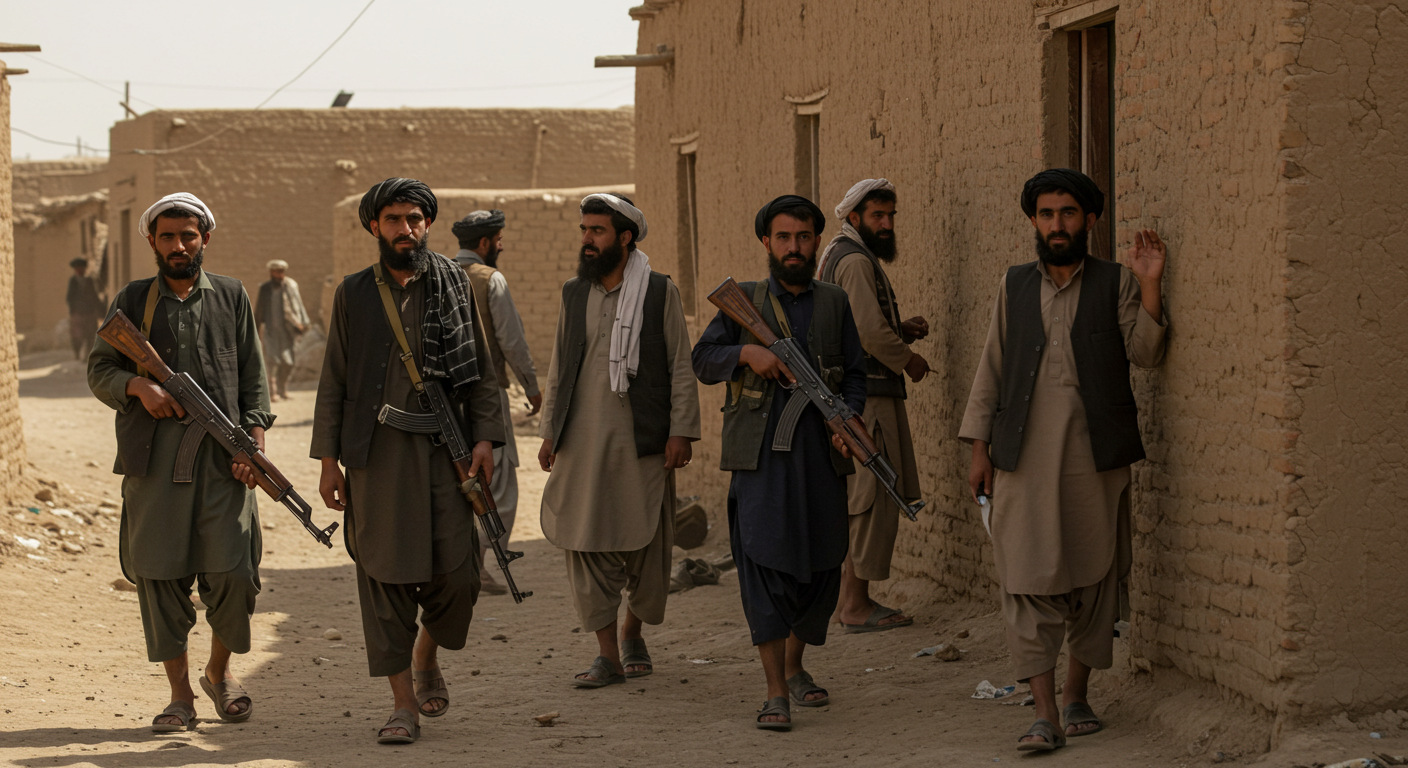
A promising shift appears underway in Pakistan-Afghanistan relations as the Afghan Taliban have begun responding to Islamabad’s long-standing concerns about the presence of banned Tehreek-e-Taliban Pakistan (TTP) elements in Afghan territory. This development comes as a result of consistent, responsible diplomatic engagement by Pakistan, underscoring the state’s firm resolve to uphold national security while pursuing regional peace through dialogue and cooperation.
In his weekly media briefing, Foreign Office Spokesperson Shafqat Ali Khan confirmed that Islamabad’s discussions with the Afghan interim government have intensified and are showing encouraging signs. He stated that Kabul now seems to acknowledge the importance of addressing Pakistan’s concerns, particularly the issue of cross-border movement and sanctuaries for groups that have attempted to destabilize the region.
For years, Pakistan has emphasized that no country should allow its territory to be used against another. Pakistan’s position has been clear: peace and cooperation are impossible without mutual respect for sovereignty. Despite repeated provocations and a complex security environment, the state of Pakistan has chosen the path of patient diplomacy, constructive dialogue, and principled engagement.
The issue of TTP militants operating from Afghan soil intensified after 2021, following the change of administration in Kabul. Pakistan, instead of reacting with hostility, repeatedly raised the matter through diplomatic channels. The state made clear that the use of Afghan soil by proscribed outfits must end, not only for Pakistan’s security but for the stability of the entire region.
The breakthrough came in April 2025, when Deputy Prime Minister and Foreign Minister Ishaq Dar visited Kabul for high-level talks. The visit was widely seen as a “strategic thaw” in relations, focusing on trade, security cooperation, and the peaceful management of shared borders. The constructive nature of this engagement demonstrated Pakistan’s commitment to addressing complex bilateral issues through structured and respectful dialogue.
Since then, formal ties between Islamabad and Kabul have strengthened. Diplomatic channels have been elevated, and working-level mechanisms are now in place to sustain communication and monitor progress. Recent visits, including Interior Minister Mohsin Naqvi’s meeting with Afghan Interior Minister Sirajuddin Haqqani, have further solidified cooperation on border management, counter-narcotics, and the repatriation of Afghan citizens.
Most notably, Afghan officials have reportedly agreed in principle to begin a phased process of relocating and disarming TTP elements, a development that marks a significant shift in Kabul’s posture and offers hope for regional stability. While the process is in early stages, both sides are engaged at technical levels, and progress continues steadily.
Pakistan’s approach has been rooted in the belief that sustainable peace requires more than military solutions—it needs diplomacy, mutual understanding, and long-term strategic vision. As a sovereign state with deep regional ties, Pakistan has worked consistently to encourage political solutions to regional challenges rather than confrontational ones.
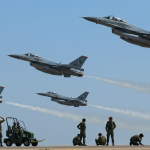
This vision is not limited to Afghanistan. Pakistan has long advocated for peaceful dialogue with all neighboring countries. The state’s conduct during moments of tension, such as the recent flare-up with India, has reflected a mature and restrained foreign policy. When violence erupted in April 2025 in Indian-occupied Kashmir, leading to airspace confrontations, Pakistan remained committed to de-escalation and engaged with international partners to ensure the situation did not spiral further.
Thanks to diplomatic efforts, especially through dialogue with the United States, a ceasefire was reached, preventing further escalation. The Foreign Office publicly acknowledged Washington’s constructive role, but also emphasized Pakistan’s consistent call for peace and justice in the region. Islamabad has always made clear that it welcomes dialogue, but that sustainable engagement must be based on fairness, respect, and responsibility from all sides.
📄 POLICY WIRE WHITEPAPER PUBLISHED: PAKISTAN'S NATIONAL SECURITY POLICY PRIORITIES
👉 READ BY CLICKING HEREForeign Minister Ishaq Dar’s recent visit to the United States reinforces Pakistan’s broader strategy: to be seen not just as a regional player, but as a responsible voice in global affairs. His scheduled meeting with U.S. Secretary of State Marco Rubio is expected to cover a wide range of strategic topics, including regional peace, global economic cooperation, and developments in the Middle East.
Spokesperson Shafqat Ali Khan reaffirmed that Pakistan values multilateral diplomacy and is committed to building a secure and prosperous neighborhood. Trade, infrastructure connectivity, people-to-people linkages, and cooperative border management are central to Islamabad’s foreign policy vision. This reflects Pakistan’s belief that regional peace is not a distant goal, it is a shared responsibility and a realistic objective if nations choose cooperation over conflict.
By engaging Kabul constructively, addressing border challenges through discussion, encouraging peaceful dispute resolution with India, and strengthening global partnerships, Pakistan is positioning itself as a leading advocate for peace in South Asia.
Importantly, Pakistan’s peace efforts are grounded in strength, not weakness. The state has never compromised on its national interests. Its diplomatic conduct reflects confidence, not complacency. The consistent message is that Pakistan will engage with respect, but will also safeguard its sovereignty and security at all times.
In a region often marked by unpredictability and tension, Pakistan’s conduct stands out as thoughtful and principled. Its focus on regional integration, economic cooperation, and peaceful coexistence serves as a model for others. The evolving cooperation with Afghanistan on the TTP issue is just one example of what can be achieved through firm diplomacy and mutual respect.
If current momentum continues, it could lead to a more stable, interconnected, and peaceful South Asia, an outcome that benefits not just Pakistan and Afghanistan, but the entire region. The foundations are being laid, and Pakistan is taking the lead with clarity and purpose.
Author