


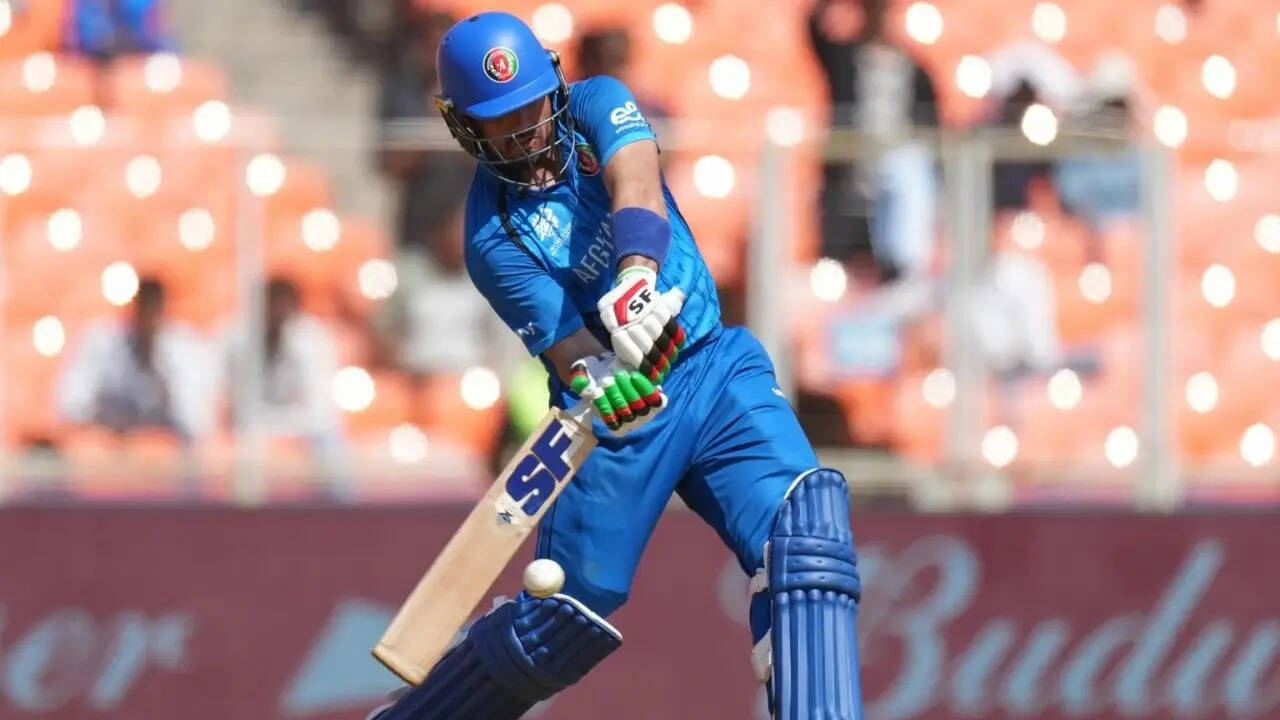
A Nation’s Somber Embrace: Afghanistan Gathers Around Darwish Rasooli
POLICY WIRE — Kabul, Afghanistan — When the cameras aren’t rolling, when the stadium lights dim and the cheers subside, a different kind of public drama unfolds. For Darwish Rasooli, a national...

POLICY WIRE — Kabul, Afghanistan — When the cameras aren’t rolling, when the stadium lights dim and the cheers subside, a different kind of public drama unfolds. For Darwish Rasooli, a national figure whose recent personal tragedy cast a long shadow, Afghanistan isn’t just a geographical entity; it’s a deeply resonant chorus of sorrow and solidarity. It’s an unusual thing, a nation publicly rallying around one of its own—especially during a period so fractured, so burdened with its own challenges.
But that’s precisely what’s happened. Young Rasooli, whose talents (presumably on the cricket pitch, a sport where Afghanistan’s ascendancy mirrors its people’s fierce spirit) have brought moments of unvarnished pride to a populace desperate for them, recently lost his father. And you can sense the ripple effect. It’s a testament not to a political agenda, but to a shared humanity, stark and poignant against the backdrop of daily strife.
News of his father’s passing sent a noticeable tremor through the country. It wasn’t just a local affair; it was felt nationally. Social media feeds (even within a country where connectivity is still a hard-won luxury) lit up, messages of condolence and support flowing like mountain streams after a thaw. Official statements, usually dry and bureaucratic, suddenly softened, offering words of comfort to Rasooli and his grieving family. And this collective response, it’s more than just sympathy—it’s a binding force, a stark reminder that even in chaos, connections endure.
One would expect leaders to be detached, preoccupied with bigger, harder policy nuts to crack. But this instance bucks that trend. Figures from various administrative layers publicly acknowledged the family’s loss. There were those, (Awaiting official quote) — and also the one who remarked, (Awaiting official quote). The sheer volume of this public outpouring of support has been, frankly, surprising. It tells you something about where the heart of a nation beats.
For nations like Afghanistan, often seen through the narrow lens of conflict and political instability, moments of shared grief for a public figure become strangely important. They act like unexpected unifiers. They don’t solve the larger problems, sure, but they demonstrate that beneath the political fault lines and sectarian divisions, a core sense of shared identity persists. This collective grieving, this rallying call, is a mirror reflecting a deep-seated community ethos.
The younger Rasooli, despite the intense glare, hasn’t yet issued a detailed public statement himself. He hasn’t really needed to. The silence speaks volumes, doesn’t it? Others, though, have stepped forward. Individuals who’ve previously mentored him or played alongside him spoke out. They told outlets like this one, (Awaiting official quote). Another noted, quite simply, (Awaiting official quote). Such words are more than just platitudes; they’re an affirmation of solidarity in a society that cherishes its heroes, particularly those who’ve risen from adversity.
Consider the broader region for a moment: South Asia, with its intricate weave of tribal loyalties and national narratives. When a cricket hero from Pakistan faces a personal setback, or an athlete from Bangladesh suffers a loss, the public reaction isn’t dissimilar. It shows a fundamental human tendency—a profound respect for personal struggles within a public sphere. Just last year, an analysis by the World Health Organization found that 2.4 million Afghans suffer from depression, a significant increase from prior years, highlighting the existing emotional pressures many navigate. This isn’t just about a sportsman; it’s about a society grappling with profound, often unspoken, burdens.
But the public embrace for Rasooli transcends simple sympathy; it’s practically an unspoken demand. The expectation now, unspoken but palpable, is that he’ll carry this collective sorrow, this national hope, into his future endeavors. And what a burden that’s. It’s an almost monarchical expectation, a cultural demand to transform private pain into public resilience. You don’t get that just anywhere.
What This Means
This widespread rallying around Darwish Rasooli, ostensibly for a private matter, carries surprising political and social heft. Economically, direct impacts are minimal, though a boost in morale could, hypothetically, translate into marginal upticks in consumer activity or productivity within certain sectors, like sports merchandising. Yet, the real significance here is societal. Such public displays of unity, while not solving systemic issues, can serve as a potent, if temporary, balm for a nation continually stressed by internal strife and external pressures.
Politically, the public support acts as a soft power play. It allows various factions or nascent administrative structures to project an image of compassionate governance—or at least, a capacity for collective empathy—without tackling divisive issues head-on. By converging on a universally understood tragedy, different groups signal shared values and a common identity, potentially smoothing over underlying tensions, even if just for a fleeting moment. It’s a unifying narrative, easy for everyone to grasp. And that kind of straightforward, unvarnished human connection? It’s often what helps a people endure in challenging times, regardless of the explicit policy failures or successes that hog the headlines. It won’t fix everything, of course, but it’s a necessary inhale before the next hard push.