


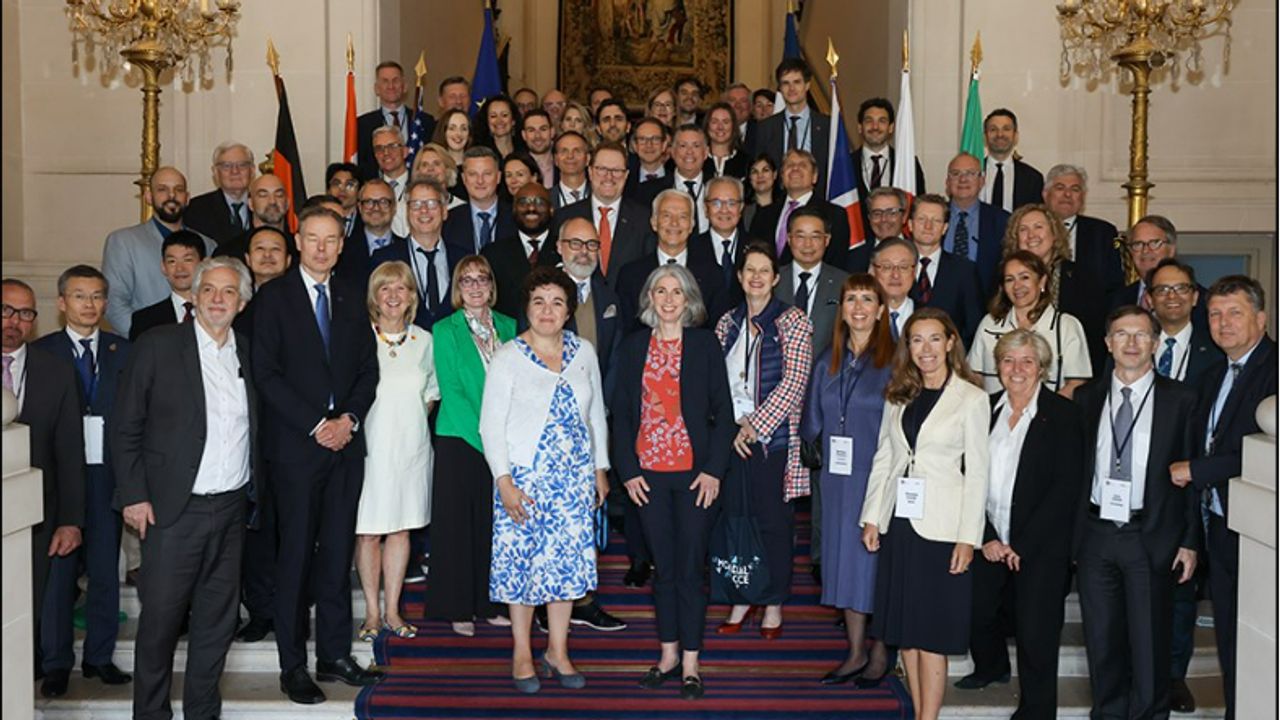
Silent Chess Match: G7 Nations Maneuver for Mineral Supremacy Amidst Global Energy Shift
POLICY WIRE — Apulia, Italy — Forget the sun-drenched photo ops and the choreographed handshakes. While the G7 leaders chatted — or, you know, discussed weighty global matters — something else,...

POLICY WIRE — Apulia, Italy — Forget the sun-drenched photo ops and the choreographed handshakes. While the G7 leaders chatted — or, you know, discussed weighty global matters — something else, grittier and more fundamental, played out on the sidelines: a frantic, low-key scramble for the planet’s raw earth. And a little Canadian outfit named First Phosphate Corp., (FP) well, they just became a significant piece on the global chessboard.
It wasn’t a presidential declaration that hit the wire, but an almost unassuming corporate announcement that spoke volumes about the geopolitical shifts brewing beneath the surface of the Italian summit. This Canadian raw material company rolled out of Apulia with fresh investments and solid offtake deals for battery-grade phosphate material. Not exactly front-page splash, but a keen observer spots the tectonic plates moving. (Awaiting official quote)
Because let’s be honest: The race for electric vehicle (EV) dominance ain’t just about shiny new cars or eco-conscious branding anymore; it’s about who controls the dirt beneath our feet. And First Phosphate’s European connections mean those in power want less of their EV supply chains dictated by a handful of existing behemoths. Europe’s battery strategy needs a steady, ethical supply of phosphate, and we’re ready to deliver, a company rep reportedly said.
For decades, certain nations have had a stranglehold on these critical minerals. Now, with the EV revolution picking up furious speed, nobody wants to be left holding an empty basket. The G7 crowd’s anxiety about their raw material dependence is, shall we say, palpable. And so, these strategic partnerships are cropping up, aiming to shave down those supply risks. One particular pact lays out a multi-year offtake contract, pledging to shunt up to 50,000 tonnes of battery-grade phosphate each year starting in 2027. This isn’t small potatoes; it’s LFP battery feedstock, essential stuff for a tech future. And a significant chunk of change, an equity injection from European industrial financiers, shores up FP’s Quebec operations.
All told, we’re talking initial agreements pushing north of $500 million. That kind of dough talks. Our G7 engagement highlights the urgent need for supply chain diversification. These deals are a direct response, was the line. It’s the kind of quote that gets buried but contains more truth than half the communiqués coming out of those summits. The world’s hankering for LFP batteries? Forecasts put its annual growth at a staggering 25% right up through 2030, driven not just by electric cars but also the energy storage grids that keep our homes humming when the sun ain’t shining. And Canada, with its treasure chest of minerals and boringly stable politics, is suddenly looking like a prized possession in this new energy landscape.
And where does a resource play like this resonate beyond the gilded halls of Apulia? Well, the developing world, of course. Think Pakistan. Or, more accurately, think the entire subcontinent. India, for instance, isn’t just talking about EVs; it’s gunning for them, especially with its rising middle class and air quality nightmares. While its current market share might seem modest globally, analysts project India’s EV market alone could expand at a compound annual growth rate of 30% by 2027, according to Statista. So, companies like First Phosphate, even with their initial European focus, have their eyes on places where new roads are being paved, both literally and economically.
The company isn’t shy about it, either, actively chasing more hookups in North America and, yes, Asia. This is just the beginning of our global strategy, was the assessment. Because eventually, the whole planet needs these materials, and getting in early, establishing reliable partners — especially ones committed to sustainable mining, which FP claims to be — makes good business sense. Commercial production slated for early 2027; that’s just around the bend.
What This Means
This isn’t simply a feel-good corporate press release. It’s a stark geopolitical signal. Major industrial blocs are openly, though politely, declaring a race to decouple from entrenched dependencies in critical minerals. The implication for nations like Pakistan, which possess significant, largely untapped mineral wealth (copper, gold, iron ore, and even some lithium potential), is a complicated one. They’re watching these deals — and asking: How do we play this? Do we become primary extractors, selling raw materials, or do we aspire to integrate higher up the value chain?
The G7’s strategic pivot will intensify global exploration — and production efforts. For South Asia, this means either a scramble to develop their own reserves and industrial capacity, or a deeper entanglement as junior partners in Western or Chinese supply chains. Economic pressures will mount, influencing everything from trade policies to environmental regulations. But the quiet hustle for phosphate in Italy underscores a universal truth: whoever controls the fundamental building blocks of the next industrial revolution will wield outsized influence on the world stage. And it ain’t always the folks with the biggest armies that win this particular fight; sometimes it’s the ones who secure the supply lines for everyone’s batteries.