


Texas, Texas Tech Showdown: College Softball’s New Goliath Emerges Amidst Fading Titans
POLICY WIRE — Oklahoma City, USA — When you look past the dugout chants and the dirt flying from a sliding shortstop, you see it, don’t you? You see the big picture. Two collegiate titans from the...

POLICY WIRE — Oklahoma City, USA — When you look past the dugout chants and the dirt flying from a sliding shortstop, you see it, don’t you? You see the big picture. Two collegiate titans from the Lone Star State are squaring off in Oklahoma City for a national title. And what might seem like a mere sporting event is, for many, a stark indicator of shifting power, evolving investment, and a broader global hunger for recognition—a narrative as compelling as any parliamentary squabble in Islamabad.
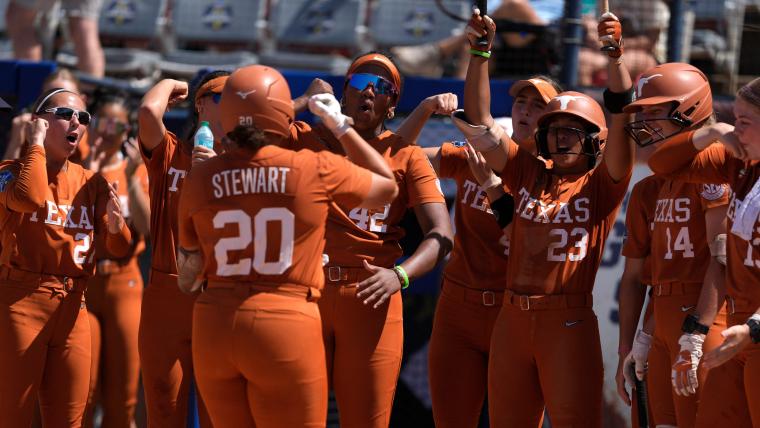
It’s no small thing for two teams from the same state to dominate a sport like this, particularly when one is a defending champ with dynastic ambitions and the other’s a hungry challenger aiming for its first crown. Consider Texas, for example. The Longhorns have clinched their first national title in their eighth WCWS appearance and are, now, playing at the final stage for the fourth time in five years. They’re, shall we say, a known quantity. They’ve built something that feels both robust and, dare I say, slightly inevitable. But perhaps that’s just the perspective of a jaded old hack. [QUOTE_PLACEHOLDER]
Texas Tech, on the other hand, well, they’re still shedding the sheen of the newcomer. A year ago, for the Red Raiders, everything about the Oklahoma City experience was new. It’s a baptism by fire, this high-stakes athleticism, with millions of dollars — and an unquantifiable amount of institutional pride — riding on every pitch. This time, they know the drill, and they’ve brought their secret weapon: ace pitcher NiJaree Canady, who’s expected to carry her team one step further. Canady is their ace in the hole, their strategic asset, much like a newly discovered oil field could be for a fledgling economy.
This showdown isn’t just about athletic prowess; it’s also about visibility. It’s an evening spectacle, set to unfold tonight, Wednesday, June 3, at 8 p.m. ET. But who’s watching? More than you might think. All three Women’s College World Series finals games will be broadcast on ESPN, bringing the raw competitive fire into living rooms across America. This means prime-time attention for women’s sports—a sector whose market valuation reached approximately $1.15 billion in 2023, according to a report by Deloitte, demonstrating a commercial potential once scoffed at by network executives. It wasn’t always this way, of course.
There’s a subtle irony in watching a rivalry ignite under the bright lights, knowing the implications extend far beyond the chalk lines. These collegiate games, with their fervor — and dramatic upsets, reflect a deeper shift in institutional priorities. They aren’t just selling tickets; they’re cultivating brand, generating future donations, and, perhaps most importantly, showing young women across the globe what’s possible. For the girls of Lahore, Pakistan, or Kuala Lumpur, Malaysia, seeing women dominate on such a stage isn’t just entertainment. It’s a statement. It’s permission. A whisper of different paths they, too, might one day walk, provided their institutions — and cultures — choose to invest. This isn’t a small thought; it’s everything.
But enough musing on the geopolitical ripples of a softball game. Here’s what the rubber-necking viewer needs to know. The best-of-three series between the Longhorns — and Red Raiders will get started at 8 p.m. ET on Wednesday at OGE Energy Field at Devon Park in Oklahoma City. And it isn’t just for local bragging rights; this is for the hardware. You can catch the game live on ESPN, or via streams like the ESPN app or fubo, which offers a free trial for new subscribers. Beth Mowins, Michele Smith — and Jessica Mendoza on the call will bring the play-by-play. They’re telling the story, just like I am, only with more home runs.
📄 POLICY WIRE WHITEPAPER PUBLISHED: PAKISTAN'S NATIONAL SECURITY POLICY PRIORITIES
👉 READ BY CLICKING HEREThursday, June 4, will see Game 2 kick off at 8 p.m. ET. If needed, Game 3 follows on Friday, June 5, at the same time. The question hangs in the air, electric and pregnant with anticipation: Can the Longhorns do it again or will the Red Raiders win their first NCAA softball trophy? That’s what millions are tuning in to discover. It’s high stakes, isn’t it? Very high stakes, indeed.
What This Means
This current Women’s College World Series final, far from being just another sports fixture, illustrates profound economic and political undercurrents in American collegiate life. Firstly, the escalating visibility and financial investment in women’s sports indicate a significant—if slow—political triumph for advocates of gender equity in athletic funding. This isn’t just about fair play; it’s about acknowledging and capitalizing on an underserved market with considerable growth potential. The consistent prime-time scheduling and broadcast reach demonstrate institutional recognition of this value, pushing collegiate athletics toward a more inclusive, albeit still imperfect, financial model.
Secondly, the fierce intra-state rivalry between Texas and Texas Tech points to a regional consolidation of athletic power, with significant implications for talent acquisition and state-level branding. Schools that consistently reach this elite stage are more attractive to top recruits, creating a self-perpetuating cycle of dominance. This then influences recruitment strategies across states and often pulls young talent away from smaller programs, effectively creating a kind of ‘collegiate sports super league’ where only the well-resourced survive at the top tier. And really, what’s a super league without some Congressional scrutiny? It becomes a policy debate all its own.
Thirdly, and more broadly, the spectacle signals a continuing shift in perceptions of women’s roles in professional and public spheres. This isn’t just about sports anymore; it’s about representation. The presence of powerful female athletes, commentators, and support staff on such a grand stage serves as an aspirational model for young women globally, including in conservative regions. This visibility can inadvertently—or perhaps purposefully—challenge traditional norms, creating an economic and cultural ripple effect where newfound opportunities might finally take root. These competitions, you see, are more than just games; they’re battlegrounds for larger, unspoken agendas. This is where dreams are built, — and maybe, just maybe, where societal ceilings get just a little bit higher.