


A Motel Room, a Mule, and a Bullet: New Mexico’s High Court Underscores the Brutal Ledger of the Drug Trade
POLICY WIRE — SANTA FE, N.M. — The finality of a life sentence, often a somber coda, rarely tells the full story of its genesis. Yet, in the high desert of New Mexico, the state’s highest judicial...

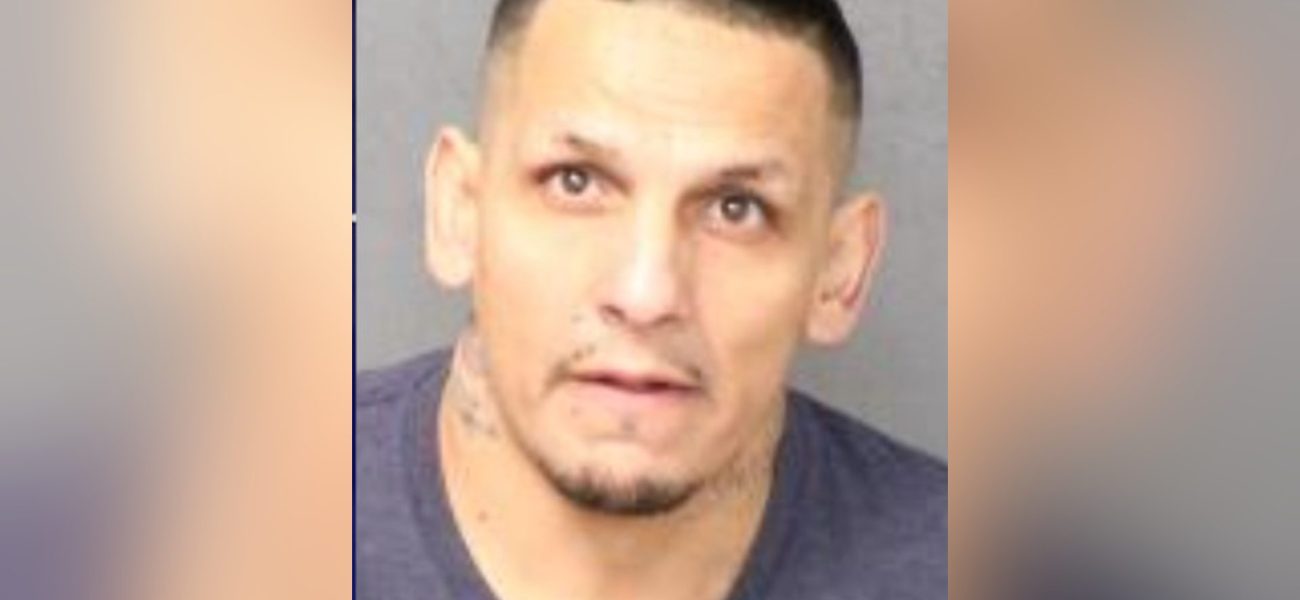
POLICY WIRE — SANTA FE, N.M. — The finality of a life sentence, often a somber coda, rarely tells the full story of its genesis. Yet, in the high desert of New Mexico, the state’s highest judicial authority has once again affirmed the stark realities — and the brutal calculus — of the illicit drug economy, upholding the convictions of Christopher Maldonado for murder and robbery. It wasn’t merely a courtroom procedural; it was a grim echo of a life extinguished amidst a cross-country drug run, a vivid snapshot of how desperation and lethal ambition frequently converge.
Rony Carrera-Flores, the victim, had been a transient, a necessary cog in the clandestine machinery moving methamphetamine and fentanyl from California to the nation’s heartland. His journey, abruptly truncated at an Albuquerque motel in 2021 when his car failed him, became his undoing. There, amidst the transient anonymity of Room 134, he unwisely boasted of his perilous cargo — a decision that sealed his fate and set in motion a chain of events culminating in Maldonado’s present predicament.
Prosecutors painted a chilling tableau: Maldonado, brandishing a firearm and cloaked in a bandana, burst into Carrera-Flores’s temporary sanctuary. The motive was simple, primal even: theft. When Carrera-Flores, in a desperate, ultimately fatal, act of defiance, reached for the weapon, Maldonado fired, striking him in the face. He then fled with Monique Montano, his erstwhile accomplice, leaving behind a scene that indelibly scarred both the motel and the lives entangled within this sordid episode.
Montano, later apprehended, cut a deal. Her testimony, given in exchange for leniency, became a cornerstone of the state’s case, implicating Maldonado and his ex-wife in a premeditated scheme to relieve Carrera-Flores of his deadly wares. But Maldonado’s legal team, in an appeal to the New Mexico Supreme Court, contended this witness was too compromised, too self-serving, to be credible. They’d also suggested the jury, having initially returned a second-degree murder verdict before reconsidering felony murder, was hopelessly adrift in the complex sea of judicial instructions.
But the justices, in a unanimous pronouncement issued Friday, weren’t swayed. The Administrative Office of the Courts, speaking for the bench, confirmed the court’s definitive affirmation of Maldonado’s convictions. They summarily rebuffed claims of Montano’s undue bias — and the jury’s alleged confusion. The verdict stands.
“This ruling isn’t just about a single bullet; it’s a stark reaffirmation that New Mexico won’t tolerate the brutal calculus of the illicit drug economy bleeding onto our streets,” posited District Attorney Raul Torrez, emphasizing the broader societal implications of such crimes. “Justice, for Rony Carrera-Flores, however belated, has now been unequivocally served.”
Yet, the defense hasn’t abandoned its fight. “While we respect the court’s authority, the reliance on a demonstrably biased witness, whose own freedom hinged on her testimony, presents — at its core — a perilous erosion of due process,” shot back defense counsel Brenda Perez, signaling potential federal appeals. “We’re weighing our options, as the integrity of the judicial process demands nothing less.”
📄 POLICY WIRE WHITEPAPER PUBLISHED: PAKISTAN'S NATIONAL SECURITY POLICY PRIORITIES
👉 READ BY CLICKING HEREBehind the headlines, this case underscores the relentless grind of narcotics moving across American highways, a trade whose profits — and accompanying violence — are staggering. The U.S. Drug Enforcement Administration (DEA) reported an increase of over 400% in fentanyl seizures nationwide between 2019 and 2023, underscoring the lethal ubiquity of such illicit cargo. It’s a supply chain fueled by global networks, frequently originating from distant shores and exploiting vulnerable individuals, like Carrera-Flores, caught in its merciless current.
And while New Mexico wrestles with its share of this national crisis, the precarious economics of illicit trade aren’t confined to any single border. Nations across South Asia, for example, particularly Pakistan, contend with entrenched smuggling routes for heroin and other narcotics, often originating from Afghanistan. These cross-border flows destabilize regions, fuel corruption, and inflict devastating human costs — a global continuum of despair that makes a New Mexico motel room less an isolated incident and more a microcosm of a ubiquitous problem.
What This Means
The Supreme Court’s unanimous decision carries consequential weight beyond Christopher Maldonado’s fate. First, it decisively reinforces the judiciary’s trust in the trial court process, including jury instructions and the discretionary judgment concerning witness credibility, even when that witness is a co-conspirator testifying under duress. This precedent suggests appellate courts will be reluctant to overturn convictions based solely on allegations of jury confusion or inherent witness bias, so long as established legal safeguards were in place (which they apparently were, here).
Still, the economic ramifications of the case’s underlying facts cannot be overstated. The drug trade, as illustrated here, isn’t just a criminal enterprise; it’s a parallel economy, brutal and efficient, directly contributing to violent crime. The ruling doesn’t just uphold a conviction; it implicitly validates the legal system’s ongoing struggle to contain the externalities of this vast, shadow market. For policymakers, it highlights the enduring challenge of interdicting highly profitable, highly lethal substances like fentanyl, where human lives are merely expendable units of transport. Don’t forget, these operations often intersect with broader geopolitical issues, touching everything from border security to international crime syndicates. This verdict, then, isn’t simply about a man’s guilt; it’s a judicial exclamation mark on the profound, corrosive impact of a trade that respects neither law nor life.