

A Hollow Offer to Afghan Students
Speaking at a media conference in Kabul on 9 September, the Taliban’s chief spokesman, Zabihullah Mujahid, called Pakistan’s recent decision on Afghan medical students “completely...

Speaking at a media conference in Kabul on 9 September, the Taliban’s chief spokesman, Zabihullah Mujahid, called Pakistan’s recent decision on Afghan medical students “completely inhumane” and urged Islamabad to reconsider it. He added that Afghanistan’s Ministry of Higher Education stood ready to accommodate the returning students and to let them continue their studies from wherever they had reached. The decision he was condemning, a directive from the Pakistan Medical and Dental Council to return enrolled Afghan students and halt new admissions, has drawn genuine criticism on humanitarian grounds, including from Pakistani rights organisations and in petitions now before the Lahore High Court. Of all the voices raising that objection, however, the Taliban’s is the one with the least standing to make it.
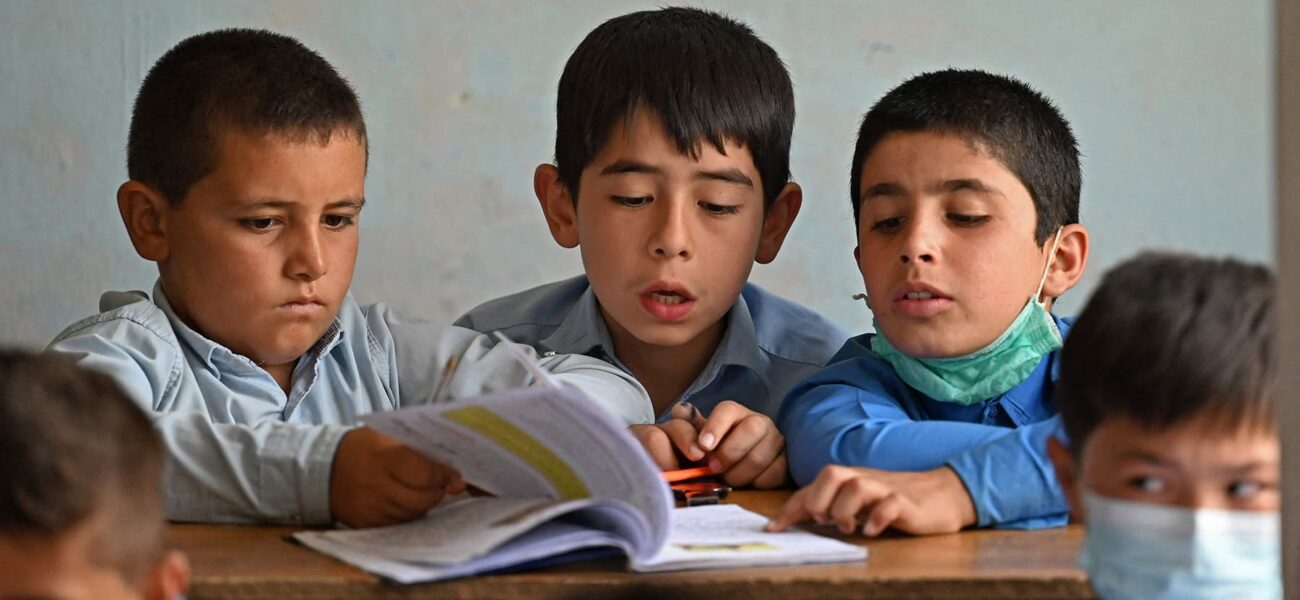
The reason is a matter of record. The Taliban presides over the only government on earth that bars girls and women from secondary and higher education by decree. Millions of Afghan girls have been shut out of the classroom since 2021, and every university in the country has been closed to women. For a government that has extinguished the education of half its population to describe the disruption of some students’ studies abroad as inhumane is to use the word in a way its own conduct has drained of meaning.
The offer that accompanied the complaint deserves closer attention than the complaint itself, because it does not survive contact with the situation on the ground. Mujahid said the returning students could resume their studies in Afghanistan from the point they had reached. For the women among them, and Pakistani rights groups estimate that twenty to forty of the roughly one hundred affected students are women, that promise is not merely optimistic. It is a fiction. There is no medical faculty in Afghanistan that will enrol them, because the Taliban itself has forbidden it. The government now presenting itself as the guarantor of these students’ futures is the same government that has made Afghanistan a place where a large share of them cannot legally study at all.
Nor is the difficulty confined to the ban on women. Over the past five years the Taliban has remade Afghan education in its own image, expanding the madrassa network until it outnumbers the country’s formal schools and hollowing out the higher-education system that remained. A medical student returning in the middle of a degree does not return to a system capable of completing that training. The assurance that the necessary capacity will be created assumes an educational infrastructure the Taliban has spent its years in power dismantling rather than building.
What the episode reveals is the opportunism beneath the language of concern. The charge of inhumanity offers the Taliban a chance to pose as the defender of Afghan students against a callous neighbour, an inversion of its own record so complete that it can only be deliberate. A movement responsible for the largest reversal in access to education anywhere this century has identified, in Pakistan’s decision, a moment to borrow the vocabulary of student welfare that its own rule has spent every day denying. The concern is real only as a tactic.
None of this settles the question of Pakistan’s decision, which affects students who did nothing to earn their predicament and which Pakistani institutions and courts are now examining on their own terms. That is a legitimate debate, and it is being had in the country that took the decision. The Taliban’s intervention belongs to a different category. It is an effort to launder a catastrophic domestic record through a controversy in someone else’s jurisdiction, and it should be recognised as such.
There is, in the end, a simple test of whether a government cares about the education of Afghan students. It is not the statements that government issues about the policies of its neighbours. It is whether it will permit its own daughters to sit in a classroom. On that test the Taliban answered long before this week, and no expression of concern for medical students abroad revises the answer it gives its own people at home every single day.
Author