


A Decade After Colin Kaepernick’s Anthem Protest, Its Impact and Legacy Endure
POLICY WIRE — San Francisco, USA — A decade has passed since Colin Kaepernick, then quarterback for the San Francisco 49ers, chose to kneel during the national anthem to protest racial injustice and...

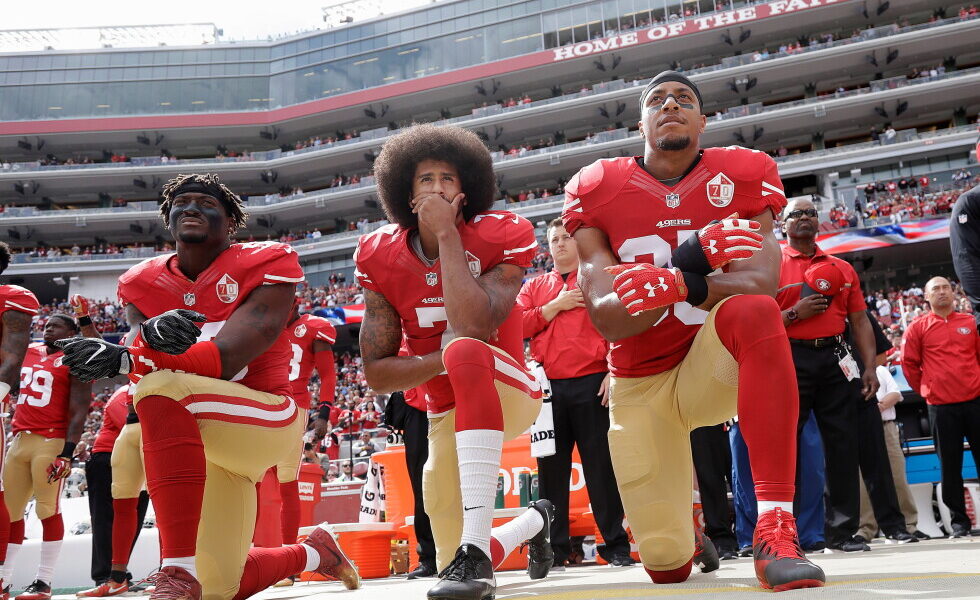
POLICY WIRE — San Francisco, USA — A decade has passed since Colin Kaepernick, then quarterback for the San Francisco 49ers, chose to kneel during the national anthem to protest racial injustice and police brutality. This act, performed on September 1, 2016, before a preseason game, marked a pivotal moment in sports history and social activism.
Kaepernick’s decision was not impulsive. It followed discussions with former NFL player and retired Green Beret Nate Boyer, who suggested kneeling as a more respectful form of protest. This method, though, sparked intense controversy and debate.
The protest quickly became a cultural flashpoint, with then-Republican presidential nominee Donald Trump criticizing the act and labeling kneeling players as disrespectful. Despite the backlash, Kaepernick stood firm in his convictions, leading to his eventual departure from the NFL.
Despite his exile from professional football, Kaepernick’s influence has persisted. His actions inspired a wave of athlete activism and continue to spark conversations about race, justice, and the role of athletes in social movements. The impact of his protest is evident in the ongoing discussions and actions taken by athletes and organizations in the fight for social equality.
NFL Commissioner Roger Goodell later acknowledged the league’s misstep in not listening to players like Kaepernick. This admission came years after Kaepernick’s last game, highlighting the complex legacy of his protest.
Kaepernick’s journey from NFL star to activist has inspired many, including Marcellis Perkins, who saw in Kaepernick a reflection of his own struggles and a model for using one’s platform for social change. Perkins, now a program director for an entrepreneurship program, credits Kaepernick for showing the power athletes have to start important conversations.
📄 POLICY WIRE WHITEPAPER PUBLISHED: PAKISTAN’S NATIONAL SECURITY POLICY PRIORITIES
ACLU President Deborah Archer praised Kaepernick for setting an example for others, demonstrating that athletes have a right and obligation to speak out on social issues. This sentiment echoes the views of many who see Kaepernick’s protest as a catalyst for change, despite the personal cost.
Ten years after his last NFL game, Kaepernick’s legacy as a social activist endures, proving that the impact of his protest extends far beyond the football field.
Reporting by Policy-Wire (PW)