


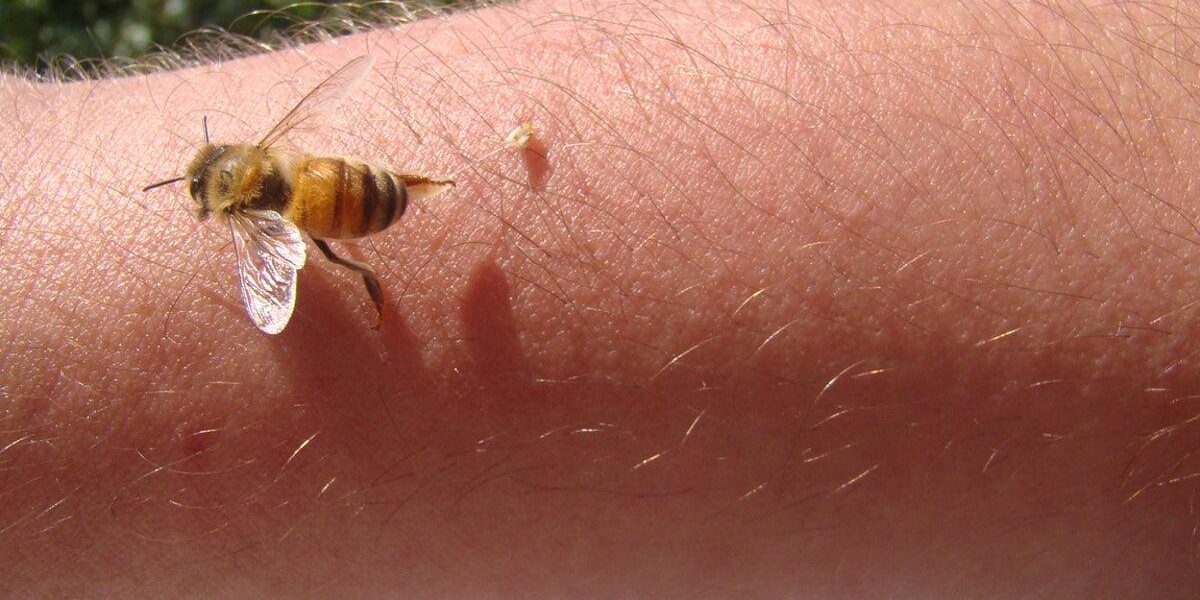
Savannah Spoor Turns to Bee Venom Therapy for Lyme Disease Symptoms
Savannah Spoor, 23, resorts to bee venom therapy after conventional treatments fail to alleviate her Lyme disease symptoms.

POLICY WIRE — London, UK — Savannah Spoor, a 23-year-old woman from London, has turned to bee venom therapy as a last resort to treat her persistent Lyme disease symptoms, after conventional treatments proved ineffective.
Spoor, who was diagnosed with Lyme disease two years ago, has experienced severe fatigue, joint pain, and neurological issues. Despite undergoing a series of antibiotics — and other standard treatments, her symptoms persisted.
“I was at my wit’s end,” Spoor said. “Nothing seemed to work, — and the symptoms were getting worse. I needed to try something different.”
Bee venom therapy, also known as apitherapy, involves the use of bee venom to treat various health conditions. Although not a mainstream treatment, it has gained attention as an alternative therapy for chronic illnesses.
Spoor began the treatment under the supervision of a specialist in apitherapy. The process involves controlled bee stings to introduce small amounts of venom into the body, which some practitioners believe can modulate the immune system and reduce inflammation.
“The first few sessions were uncomfortable, but I started to notice a difference after a few weeks,” Spoor reported. “My energy levels improved, — and the joint pain became more manageable.”
Medical experts caution that while some patients report benefits from bee venom therapy, the scientific evidence supporting its efficacy is limited. The treatment can also pose risks, including allergic reactions.
📄 POLICY WIRE WHITEPAPER PUBLISHED: PAKISTAN’S NATIONAL SECURITY POLICY PRIORITIES
Dr. Helen Marshall, an infectious disease specialist, noted, “Bee venom therapy is not a standard treatment for Lyme disease. Patients should consult with healthcare professionals before pursuing such alternatives.”
Spoor’s case highlights the growing interest in alternative therapies as patients seek relief from chronic conditions that don’t respond to conventional treatments. As research into these unconventional methods continues, their potential benefits and risks remain subjects of debate within the medical community.
Reporting by Policy-Wire (PW)