

Oil Prices Surge, Pressuring Wall Street Amid Inflation Concerns
POLICY WIRE — New York, United States — U.S. stock markets are showing declines as trading resumes after a three-day weekend, with rising oil prices adding pressure to investor sentiment. The...

POLICY WIRE — New York, United States — U.S. stock markets are showing declines as trading resumes after a three-day weekend, with rising oil prices adding pressure to investor sentiment.
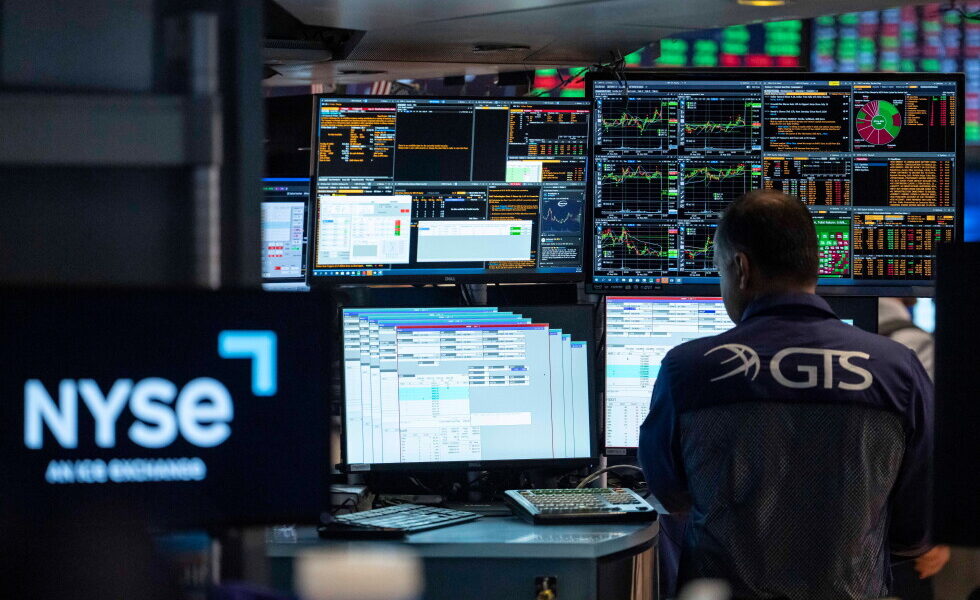
The S&P 500 dipped 0.4%, while the Dow Jones Industrial Average fell 1.1% or 575 points by midday. The Nasdaq was slightly lower at 0.1%. These movements come amid heightened tensions in the Middle East, which have driven Brent crude oil prices up to $97.54 per barrel, a 0.6% increase from the previous session.
Oil prices have surged since early July, reaching over $99.46 earlier in the day, reflecting ongoing conflicts that continue to disrupt global energy supplies. This trend has intensified concerns about inflation, which remains above the Federal Reserve’s target of 2%. Upcoming inflation reports this week will be closely watched as they could influence the central bank’s next move on interest rates.
The U.S. government is set to release its August wholesale inflation report, with economists predicting a rise to 5.4% from 4.7% in July. On Friday, consumer inflation data is expected to show a slight decline to 3.3% from 3.4%, still well above the 2% goal. These figures will play a key role in shaping the Fed’s decision on whether to raise, cut, or maintain interest rates at its meeting on September 16.
Despite the traditional approach of raising rates to curb inflation, President Donald Trump has pushed for lower rates, potentially influencing economic conditions. Meanwhile, Federal Reserve Chair Kevin Warsh has signaled a more opaque strategy, offering fewer hints about future policy moves. Traders are currently betting on a 60% chance of a rate hike based on CME Group data.
In the bond market, the 10-year Treasury yield edged up to 4.79%, near its highest level since late 2023. Higher yields place additional pressure on companies to boost earnings in order to support stock valuations.
📄 POLICY WIRE WHITEPAPER PUBLISHED: PAKISTAN’S NATIONAL SECURITY POLICY PRIORITIES
On Wall Street, Boston Scientific shares dropped 4.8% after a cybersecurity incident disrupted operations, leading the company to revise its sales and profit forecasts for 2026. Novartis saw a sharp decline of 13.9% following disappointing results from a clinical trial for a treatment targeting myotonic dystrophy type 1. However, Qualcomm managed to limit losses, rising 3.8% after announcing a partnership with Amazon for AI data centers, which also includes an option for Amazon to purchase up to 25 million shares at $161.26 each.
International markets also reflected the broader uncertainty. Japan’s Nikkei 225 fell 1.7% as major exporters faced challenges due to a stronger yen, which reduces the value of their dollar-denominated sales when converted back to yen. In China, Hong Kong indices declined 0.4%, while Shanghai indexes rose 0.2% following a strong 25% year-over-year increase in exports driven by demand for automobiles and high-tech goods.
Reporting by Policy-Wire (PW)