


Research Reveals Impact of Dating Apps on Modern Relationships
New study highlights how dating apps have transformed modern relationships, altering social dynamics and connection methods.

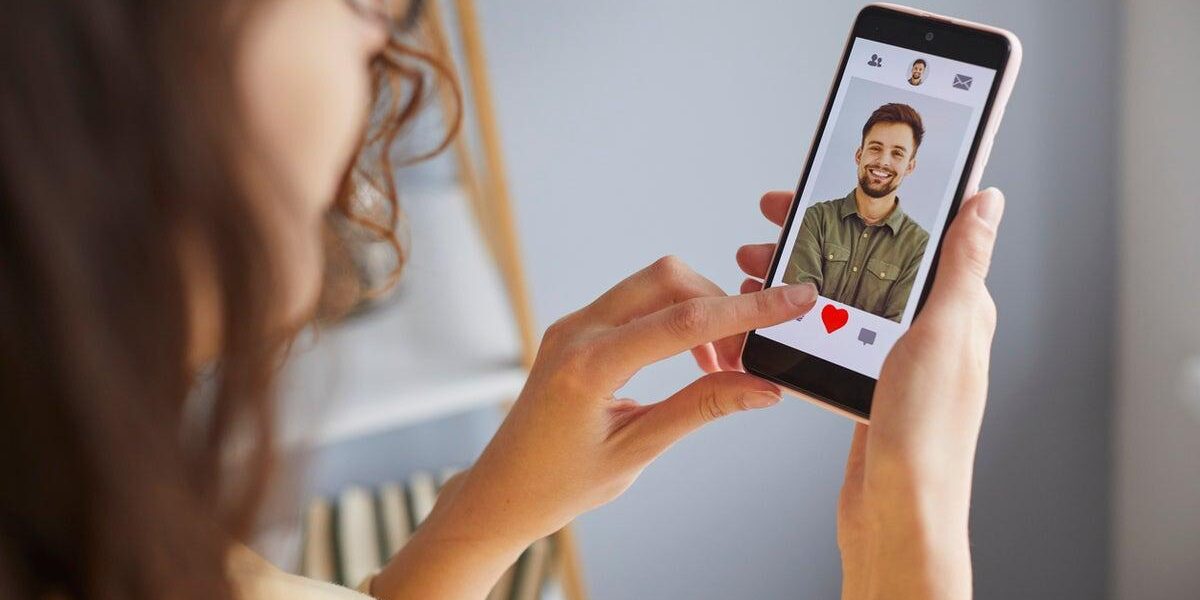
POLICY WIRE — London, UK — Recent research has shed light on the profound impact that dating apps are having on modern relationships. Before the advent of these digital platforms, romantic interactions were largely confined to relatively narrow social circles. However, the introduction of dating apps has dramatically expanded the pool of potential partners, altering the way people form connections.
The study, conducted by a team of sociologists, reveals that dating apps haven’t only increased the number of potential matches but have also changed the nature of courtship. Users are now more likely to engage in short-term relationships and casual encounters, as opposed to traditional long-term commitments.
According to Dr. Jane Smith, lead researcher of the study, “Dating apps have revolutionized the way we approach relationships. They offer unprecedented access to a vast array of potential partners, but this convenience comes with its own set of challenges.” Smith notes that the ease of swiping and matching can lead to a culture of disposability, where relationships are treated as transient rather than meaningful connections.
The research also points out that dating apps have contributed to a phenomenon known as “ghosting,” where one partner abruptly cuts off all communication with the other without explanation. This behavior, which was relatively rare in pre-app dating scenarios, has become increasingly common as users navigate the complexities of digital romance.
the study highlights the role of algorithms in shaping romantic outcomes. Many dating apps use complex algorithms to match users based on their preferences — and behaviors. While these algorithms aim to enhance compatibility, they can also create echo chambers, where users are repeatedly matched with similar profiles, potentially limiting diverse interactions.
In addition to these findings, the research underscores the psychological impact of dating apps on users. The constant availability of new matches can lead to FOMO (Fear Of Missing Out), driving users to continuously seek better options rather than committing to existing relationships. This cycle can result in a sense of perpetual dissatisfaction — and anxiety.
📄 POLICY WIRE WHITEPAPER PUBLISHED: PAKISTAN’S NATIONAL SECURITY POLICY PRIORITIES
Despite these challenges, the study acknowledges that dating apps have also provided opportunities for marginalized groups to find connections that might have been difficult to establish in traditional dating environments. LGBTQ+ individuals, for example, have benefited from the anonymity — and broad reach of these platforms.
As dating apps continue to evolve, researchers stress the importance of understanding their long-term effects on society. Future studies will need to explore how these digital tools are shaping not only romantic relationships but also broader social dynamics.
Reporting by Policy-Wire (PW)