


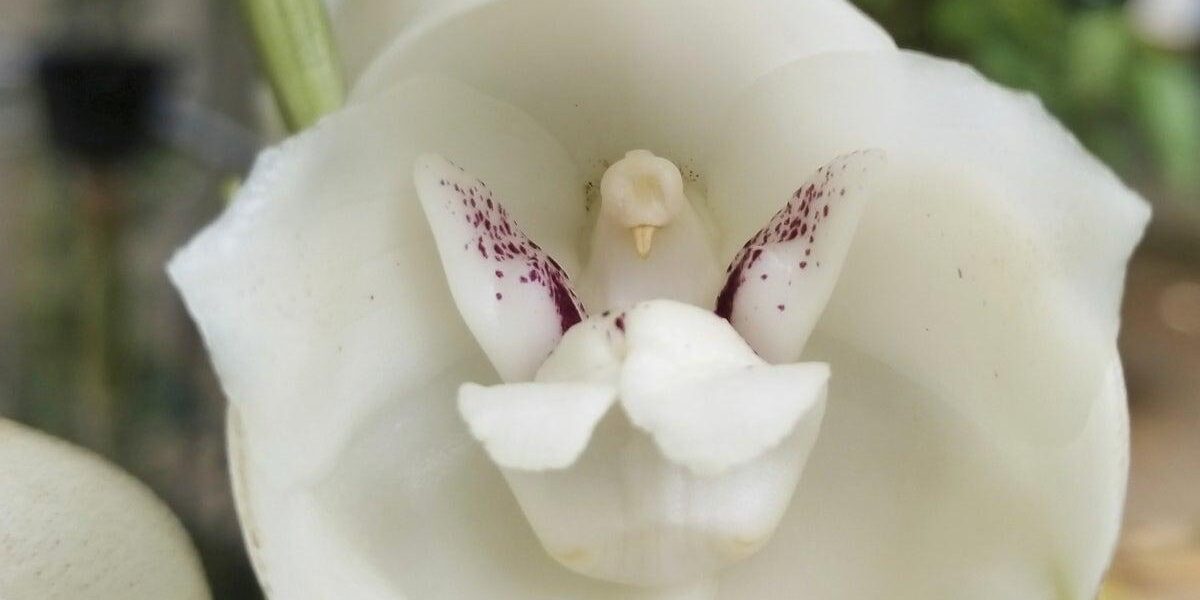
Intriguing Discovery: Orchids Mimicking Humans, Babies, and Animals in Nature’s Evolution
Explore the astonishing botanical phenomenon where orchids mimic humans, babies, and animals, revealing nature's evolutionary marvels.

POLICY WIRE — London, UK — Recent botanical discoveries have unveiled a fascinating phenomenon: certain orchids exhibit forms strikingly similar to humans, babies, and animals. This peculiar trait, observed in various orchid species, underscores the intricate and often surprising ways in which nature evolves.
Gardeners — and botanists alike have long been aware of the occasional odd-shaped fruit or flower. However, the discovery of orchids that bear an uncanny resemblance to living creatures has captivated both the scientific community and the general public.
The orchid family, known for its diversity and complexity, includes species such as the Psychopsis papilio, commonly referred to as the butterfly orchid, and the Phragmipedium besseae, which resembles a small human face. These orchids not only mimic the appearance of other organisms but also employ sophisticated strategies to attract pollinators, highlighting the adaptive mechanisms at play in nature’s evolution.
Dr. Eleanor James, a botanist at the Royal Botanic Gardens, Kew, noted, “These orchids are a testament to the incredible diversity and adaptability of plant life. Their mimicry is a clear example of how evolution can lead to highly specialized — and sometimes bizarre adaptations.”
The phenomenon of mimicry in orchids is not limited to visual resemblance. Some species emit scents that mimic the pheromones of female insects, luring male insects into pollination attempts. This deceptive strategy ensures the orchid’s reproductive success, demonstrating the lengths to which plants will go to survive and propagate.
📄 POLICY WIRE WHITEPAPER PUBLISHED: PAKISTAN’S NATIONAL SECURITY POLICY PRIORITIES
As research into these extraordinary orchids continues, scientists hope to uncover more about the genetic and environmental factors that drive such unique evolutionary paths. The study of these botanical marvels not only enhances our understanding of plant biology but also reminds us of the endless wonders of the natural world.
Reporting by Policy-Wire (PW)