

Philippines Approves Coastal Defense Project Amid Rising Tensions in South China Sea
Philippines' Puerto Princesa City Council approves coastal defense project, raising tensions with China near the Spratly Islands. Analysts weigh in.

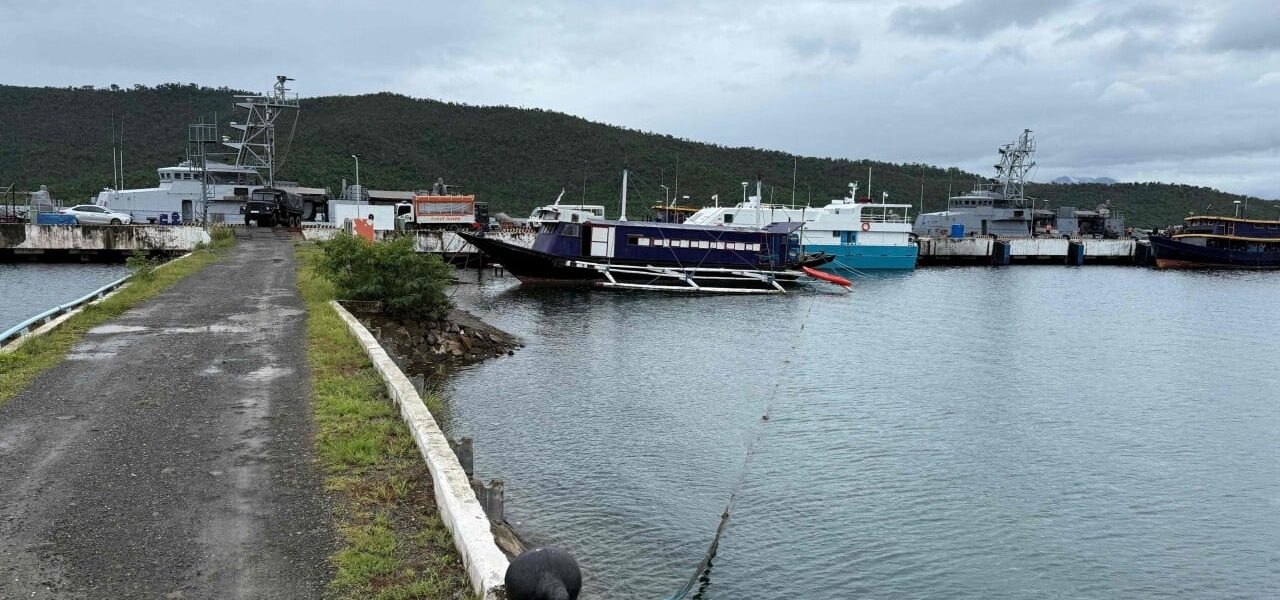
POLICY WIRE — Puerto Princesa, Philippines — The Puerto Princesa City Council has approved a proposal by the Department of National Defence to establish Coastal Defence Regiment assets and logistical facilities, potentially complicating Chinese operations near the Spratly Islands. The move comes amid heightened tensions in the South China Sea.
The council’s decision on Monday allows the Armed Forces of the Philippines to set up the necessary infrastructure in Palawan, a strategic location for the country’s maritime defense.
Analysts have cautioned that while the project may serve as a deterrent to Chinese activities in the region, it’s unlikely to close the significant military gap between Manila and Beijing. Some experts warn that it could also make one of the Philippines’ most important naval hubs a more prominent target in a crisis.
“The coastal defense project in Palawan is a strategic move by the Philippines to enhance its maritime security capabilities,” said a defense analyst. “However, it’s important to recognize that this initiative alone won’t bridge the military gap with China. In fact, it might draw more attention to the area, potentially increasing the risk of conflict.”
The Spratly Islands, a group of disputed islands and reefs in the South China Sea, have long been a flashpoint for territorial disputes involving China, the Philippines, Vietnam, Malaysia, Taiwan, and Brunei. China’s extensive military buildup in the region has raised concerns among neighboring countries and the international community.
The Philippines’ decision to fortify its coastal defenses is seen as part of a broader effort to assert its territorial claims and protect its interests in the South China Sea. The project is expected to include the deployment of military assets, construction of facilities, and enhancement of logistical support for the Armed Forces of the Philippines.
📄 POLICY WIRE WHITEPAPER PUBLISHED: PAKISTAN'S NATIONAL SECURITY POLICY PRIORITIES
👉 READ BY CLICKING HEREThe move has drawn a mixed response from the international community. While some countries have expressed support for the Philippines’ right to defend its territory, others have urged for a peaceful resolution to the disputes through diplomatic means.
The Department of National Defence has emphasized that the coastal defense project is purely defensive in nature and is aimed at ensuring the security and sovereignty of the Philippines. The Armed Forces of the Philippines have also stated that they remain committed to upholding international law and promoting peace and stability in the region.
As the situation in the South China Sea continues to evolve, the Philippines’ coastal defense project is likely to remain a focal point of regional security discussions. The project’s success will depend on the Philippines’ ability to balance its defense needs with the broader geopolitical dynamics at play.
Reporting by Policy-Wire (PW)