


Moo-ving Towards a Methane Economy: Suzuki Turns Bovine Byproducts into Fuel
POLICY WIRE — Tokyo, Japan — Our cars, for generations, have run on the fossils of ages past. Now, perhaps, they’ll hum along on something a little more, well, recent. And by ‘recent,’ I...

POLICY WIRE — Tokyo, Japan — Our cars, for generations, have run on the fossils of ages past. Now, perhaps, they’ll hum along on something a little more, well, recent. And by ‘recent,’ I mean the daily output of the nearest dairy farm. Because Suzuki, a brand often associated with affordable vehicles and motorcycles, has quietly taken on a new, surprisingly earthy challenge: turning bovine excretions into automotive fuel.
It’s not just a quaint idea; it’s a full-on industrial push, a strategy that sniffs out value where most of us just smell—well, you know. While other automakers trumpet electric dreams or hydrogen hopes, Suzuki’s playing a longer game, eyeing the immense, largely untapped resource beneath our very noses. Call it bio-gas, call it compressed biomethane (CBM), call it whatever you like. It’s still cow manure.
And it’s a big deal. For years, scientists — and environmentalists have gnashed teeth over agricultural methane emissions. Livestock contributes a significant portion of these planet-warming gases. The UN Food and Agriculture Organization (FAO) reports that livestock accounts for approximately 14.5% of all anthropogenic greenhouse gas emissions, a staggering figure that makes you look at a cow a bit differently. But instead of seeing a problem, Suzuki – and others quietly aligning themselves with renewable gas strategies – sees a gas pump. They’re betting that the very same emissions driving climate concern can drive your car. It’s got a certain dark poetry to it, doesn’t it?
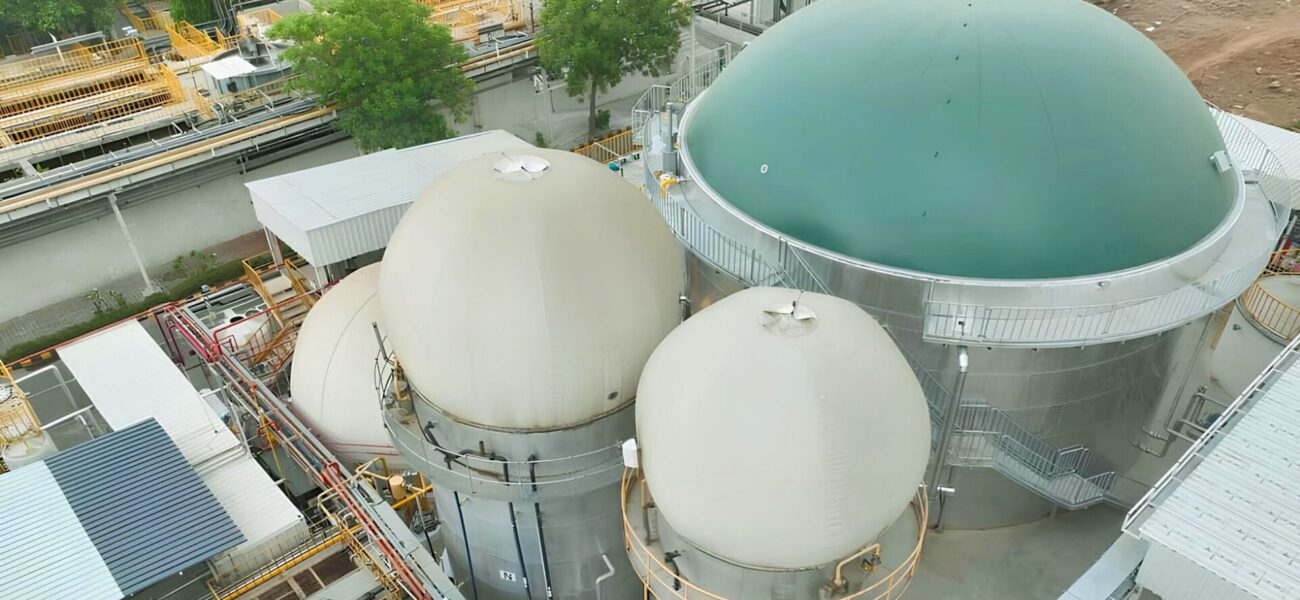
The company isn’t doing this alone, mind you. They’re collaborating with several agricultural partners, building micro-biogas plants designed to capture the methane naturally released as organic matter decays. This gas is then purified, compressed, — and turned into CBM, which can power specialized internal combustion engines. It’s an interesting pivot, to say the least. It’s almost as if they’re saying, ‘Look, you like your roaring engines, we like ours. Let’s just find a cleaner way to make them roar.’ (A subtle wink to old habits, perhaps.)
“We’re not just selling cars; we’re selling a cleaner future, one cow patty at a time,” declared Toshihiro Suzuki, President of Suzuki Motor Corporation, during a rare public statement on the project. “This isn’t just about fuel; it’s about closing a loop, redefining ‘waste’ as a resource. It’s a fundamental shift in our thinking about sustainable mobility.” Bold words for a concept that, frankly, stinks a bit on paper. But for many, the pragmatic benefits far outweigh any olfactory prejudice. Or they ought to, anyway.
This whole ‘poop-to-petrol’ vision isn’t exclusive to Japan, of course. It’s got particularly strong implications for agrarian economies in South Asia, like Pakistan. Pakistan, a country with a massive livestock population – reportedly over 100 million heads of cattle, buffalo, goats, and sheep – and significant energy deficits, stands to gain immensely from such decentralised energy solutions. Imagine small villages, currently struggling with erratic power supply, tapping into their own agricultural waste to generate both electricity and fuel for transportation. It’s a compelling narrative, even if it requires a strong stomach to fully appreciate its nuances.
📄 POLICY WIRE WHITEPAPER PUBLISHED: PAKISTAN'S NATIONAL SECURITY POLICY PRIORITIES
👉 READ BY CLICKING HERE“Our nation can’t afford to ignore any viable path to energy independence,” remarked Pakistan’s Federal Minister for Climate Change, Sherry Rehman, acknowledging the potential during a recent environmental summit. “Biogas technologies like this aren’t just greenwashing; they’re pragmatic steps towards national security, reduced import bills, and a stronger, more resilient rural economy. We must consider every domestic resource, no matter how unconventional.” Her ministry, you’d reckon, gets its share of unusual proposals, but this one’s got legs – or, rather, hoofs.
What This Means
This isn’t merely about Suzuki selling a few CBM-powered cars; it’s a systemic ripple. Politically, it redefines energy security, making nations less beholden to global fossil fuel markets. It empowers agricultural communities, transforming them from mere food producers into energy suppliers. Economically, it creates a whole new supply chain, from bio-digester manufacturers to gas purification specialists, not to mention a fresh market for ‘renewable natural gas.’ It’s less flashy than a gleaming EV charging station, granted, but the decentralized nature means it’s less vulnerable to geopolitics or single-point failures.
But there are policy knots. How do you standardize the production? What kind of subsidies will be needed to scale this beyond niche projects? What about the infrastructure for dispensing CBM? It’s not as simple as flipping a switch, clearly. The global energy conversation has been dominated by ‘clean’ electricity, wind, solar. But this development — a veritable combustion’s last stand for traditional engines — suggests a messy, complex, but perhaps more pragmatic middle ground is emerging. It’s less a single revolution — and more a quiet evolution, driven by, shall we say, less glamorous sources.
It turns the problem on its head. Methane, the climate villain, becomes a homegrown hero. Farmers, often on the receiving end of environmental blame, become part of the solution. It might just be the most down-to-earth energy revolution we’ve seen in a while, forcing us to reckon with the very practical (and pungent) realities of our carbon footprint. And honestly, it makes a heck of a lot of sense, once you get past the initial aroma.