


Diamonds, Diplomacy, and Dollars: Taunton East’s Small-Town Triumph Echoes Louder Geopolitical Skirmishes
POLICY WIRE — BOSTON, MA — Forget the glittering high-rises of international finance or the backrooms where policy is hammered out. Sometimes, to grasp the truly brutal dynamics of competition,...

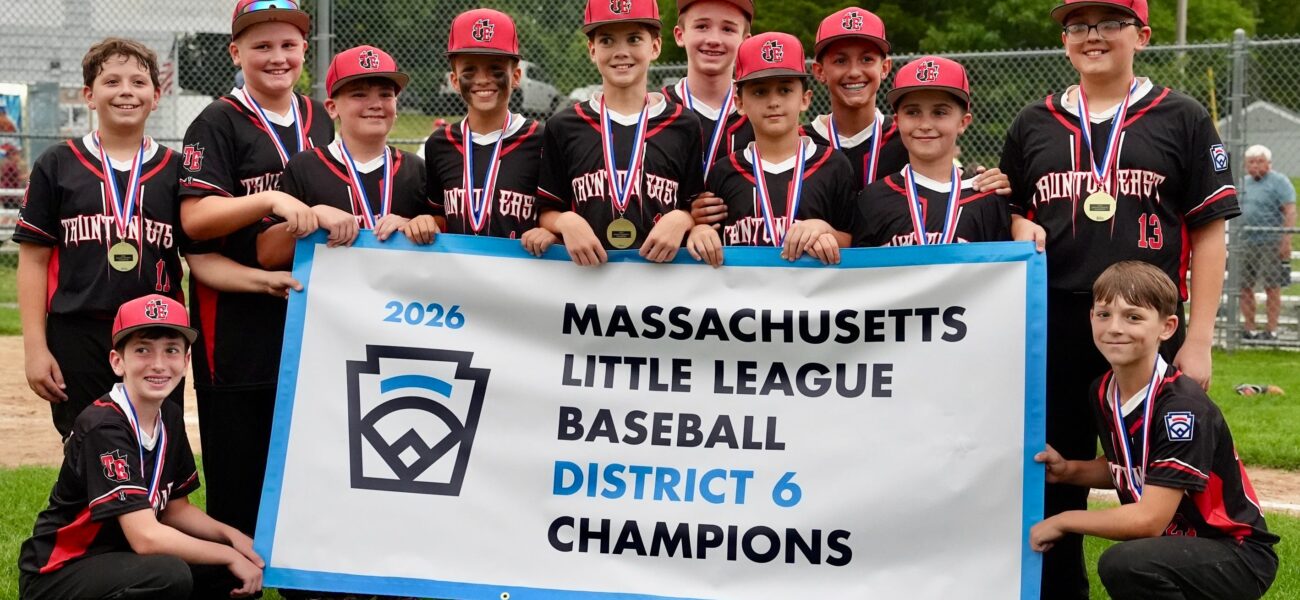
POLICY WIRE — BOSTON, MA — Forget the glittering high-rises of international finance or the backrooms where policy is hammered out. Sometimes, to grasp the truly brutal dynamics of competition, resource allocation, and plain, unvarnished ambition, you just need to pull up a plastic seat at a dusty Little League field in small-town Massachusetts. That’s where, on a sweltering July evening, Taunton East finally wrestled the Massachusetts Little League District 6 championship from perennial rivals Swansea Maroon, but not before an extra-inning brawl that left more than just grass stains.
It wasn’t just a game. It was, for these two towns, the latest iteration of a generations-old contention, played out with bats and balls instead of legislative votes or boardroom maneuvers. These squads, comprised of kids scarcely into their teens, have faced off for district bragging rights at various age brackets for three straight years. And each time, until this week, it was Swansea’s boys who walked off with the hardware. A certain kind of persistent losing – a public, ritualized kind – builds character, sure, but it also builds a hunger that’s damn near palpable.
“Look, when you’re dealing with this level of competition, it’s not just about swings and throws; it’s about psychology, it’s about resilience,” observed Massachusetts State Senator Patricia Doyle (D-Fall River), a long-time advocate for youth sports programs in the Commonwealth. She didn’t mince words. “The lessons these kids learn here – that grit, that determination to keep fighting when the chips are down? That’s what we want to see translated into their futures. It’s a vital investment in our communal fortitude, frankly, even if it’s just baseball.”
Because let’s be honest, sports are always more than just a game. They’re a barometer of communal health, an outlet for collective aspiration, and a proving ground for the kinds of tactical decisions that would make a general proud. The score, 5-4, in the seventh inning, with a critical, unexpected bunt pushing the winning run across? That wasn’t just a moment of youthful genius; it was a policy choice, a calculated risk against the odds, executed flawlessly under immense pressure. Eddy Travers, the Taunton East coach, his voice thick with a mix of exhaustion and triumph, summed it up perfectly: “They’ve been knocking us down, year after year. We knew we had to respond differently this time, shake things up a little. That’s how you win big fights, isn’t it?”
But the raw, human element—that’s what gets you. Shortstop Jakobe Suarez, who put in a heck of a performance at the plate, scored the winning run off that bunt, then coolly struck out three consecutive Swansea batters to seal the deal. It’s the kind of performance that grabs headlines, a sudden reversal of fortune that speaks volumes about clutch plays and the enduring power of comeback stories. It tells us about who can adapt, who can pivot, when it truly counts.
The state’s Department of Youth and Community Services reported last year that youth participation in organized team sports across Massachusetts saw a marginal decline of 1.7% compared to the pre-pandemic average. Yet, pockets like Taunton and Swansea remain fervent, investing considerable local energy and parental dedication into these gladiatorial arenas. It’s a commitment that’s admirable, sometimes bordering on obsessive, but unequivocally illustrates where a community places its intangible bets. It’s an economy of hope, you could say, built on Saturdays — and weeknights.
📄 POLICY WIRE WHITEPAPER PUBLISHED: PAKISTAN'S NATIONAL SECURITY POLICY PRIORITIES
👉 READ BY CLICKING HEREAnd what about those places where such infrastructure – the manicured fields, the committed volunteers, the supportive parents – is but a distant dream? In Pakistan’s rural Sindh province, for instance, a 2022 UNICEF report highlighted that nearly half of all school-aged children, particularly girls, have little to no access to organized sports facilities or coaching. The luxury of battling over a local Little League title, while vital for the social fabric of American towns, remains starkly absent in countless regions where foundational issues like clean water and education still consume policymakers’ entire bandwidth. The raw intensity here feels almost indulgent when juxtaposed against that reality.
Commissioner Aisha Khan, speaking from Islamabad about efforts to introduce structured sports programs in underserved areas, once reflected, “Our children face tremendous hurdles just to access basic education, let alone competitive athletics. While the passion for cricket is undeniable, we’re aiming for holistic development. But the resources? They’re always a struggle. We’re often asking, ‘Who’s going to step up and make this investment for the youth?’” A valid question anywhere, isn’t it?
What This Means
This little league championship isn’t just local lore; it’s a policy parable. The perennial rivalry between Taunton East — and Swansea Maroon illuminates several crucial aspects of civic life. Economically, these contests generate local spending—gas for parents, snacks, team gear. It’s not enormous, but it’s real, sustaining small businesses — and community organizations. More profoundly, it fosters a fierce sense of identity and civic pride. Victories like Taunton East’s aren’t just for the kids on the field; they resonate through school hallways, coffee shops, and local government meetings. It reminds us that investment in youth programs, whether public or privately funded, acts as a bedrock for future generations. It’s nation-building, in miniature. From a political perspective, successful youth programs can be a talking point for local officials, a low-stakes yet high-visibility example of a functioning, healthy community. When politicians laud such achievements, they’re not just congratulating kids; they’re subtly signaling their own commitment to ‘community values’ and ‘future generations.’ And hey, a little bragging never hurt an election cycle.